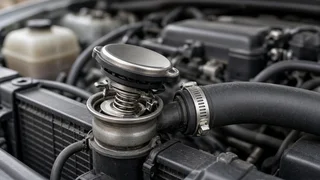
Nissan radiator cap pressure
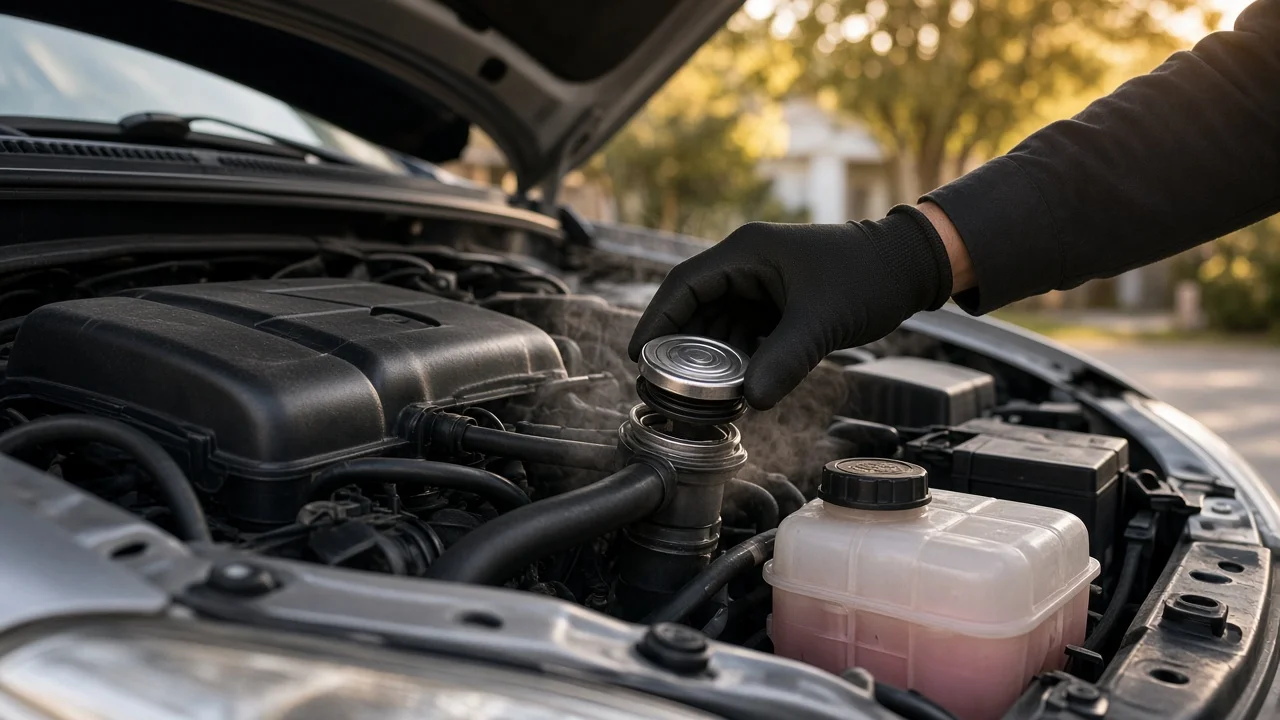
Nissan radiator cap pressure is a functional rating that helps control coolant boiling point and system stability, not a fixed setting displayed on the dashboard. For owners researching a Nissan Navara radiator cap pressure specification, the cap is a calibrated valve that seals the cooling circuit until a designed threshold opens. Choosing a replacement requires matching the original system design because the pressure rating, coolant concentration, and filler neck condition work together. Understanding this relationship helps diagnose overheating, coolant loss, and air pockets without guessing at a part number.
Essential answer
The essential answer is that a Nissan radiator cap pressure rating describes the maximum pressure the cap allows inside the sealed cooling system before it vents excess coolant to the recovery tank. This pressure is created by thermal expansion as the engine warms up, and the cap’s spring-loaded valve must hold against that expansion. For a Navara or another Nissan model, the correct cap is not defined by a universal pressure number but by the rating specified for that engine and radiator neck design. A cap that seals too early or opens too late changes the boiling point and can induce coolant loss.
When evaluating Nissan radiator cap pressure, the practical concern is whether the cap maintains the intended pressure range rather than simply fitting the opening. The pressure cap works with the thermostat and radiator to stabilize temperatures under load, so a weak spring can allow coolant to escape before the fan or airflow can remove enough heat. A cap with a higher rating may stress old hoses or the heater core, while a lower rating may cause localized boiling around the cylinder head. Vehicle-specific confirmation is necessary because the rating stamped on one cap is not interchangeable across every Nissan cooling system.