Nissan Pathfinder MAF Sensor: Location, Symptoms and Replacement
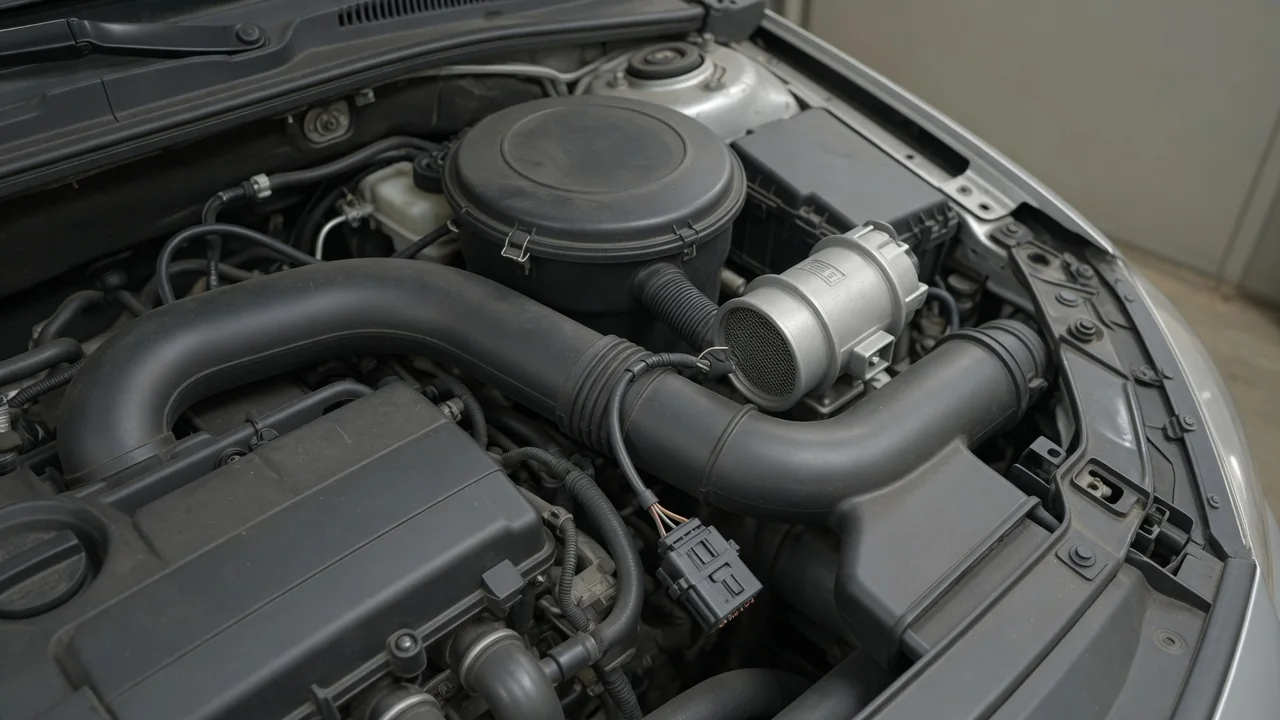
The mass air flow sensor in a 2013 to 2019 Nissan Pathfinder measures incoming air so the engine computer can set the correct fuel mixture. When airflow readings are faulty, the V6 may hesitate, idle roughly, or trigger a check engine light. This article helps owners locate the sensor, recognize symptoms, and decide on service for model years including the 2015, 2017, and 2018 Pathfinder.
Identify the Pathfinder’s Year and Engine Before Locating the Sensor
Before touching any intake component, confirm the Pathfinder's model year and engine configuration. The 2013 and 2014 model years especially may have different sensor designs depending on market or production changes. Always reference the vehicle's VIN and a parts diagram from an authorized source rather than assuming that all covered years use an identical airflow meter. This prevents ordering a part that cannot be fitted or calibrated to the engine management system.
The VIN encodes the exact engine and build date, which is essential because Nissan updated air intake designs during this generation. A vehicle-specific parts catalog will show the correct sensor location, connector style, and mounting bracket for that engine. Without this confirmation, a sensor from a different model year may look similar but report incorrect airflow values. Use the VIN and diagram together to establish the correct component for diagnosis and possible replacement.
Locate the MAF Sensor on a 2015 or 2016 Pathfinder
On a 2015 or 2016 Pathfinder, with the engine off and cool, open the hood and find the air filter housing on the driver’s side of the engine bay. Follow the large air intake duct leaving the housing toward the throttle body. The mass air flow sensor is mounted in this duct, usually close to the air filter box, so it can sample the cleaned, laminar air stream before it reaches the engine.
Look for a small module inserted into the duct with an electrical connector attached to it. The connector may have a locking tab, but do not unplug it during identification. The sensor housing is often held by one or two fasteners, though the exact count varies by engine. Nearby components include the intake air temperature sensor or a resonating chamber, but the MAF element is the only one directly exposed to the main airflow path. Avoid touching the wire or film inside the duct.
Recognize Symptoms That Warrant MAF System Checks
A failing or contaminated MAF sensor on a 2017 Pathfinder can cause rough idle, hesitation under acceleration, occasional stalling, or an illuminated check engine light. However, these same conditions can come from intake leaks, vacuum hoses, or fuel delivery problems. Treat symptoms as clues that airflow measurement needs testing, not as proof that the sensor must be replaced. Compare behavior before and after the engine reaches operating temperature.
Note exactly when symptoms appear: at cold idle, after a warm restart, during moderate throttle, or immediately after an air filter service. A loose intake duct or improperly seated filter housing can mimic a bad sensor by letting unmetered air enter. Write down the diagnostic trouble code if the light is on, and record the freeze-frame data showing engine speed and coolant temperature at the time the fault was set. Repeated stalling or severe power loss warrants stopping safely and having the vehicle towed for evaluation.
Check Intake Condition and Preserve Diagnostic Evidence
With the engine off, inspect the intake path from the air filter housing to the throttle body. Look for a disconnected duct, torn rubber boot, cracked housing, or a loose clamp. Check the MAF sensor connector for visible damage, corrosion, or signs of it being forced. Do not remove the connector or sensor unless you intend to continue diagnosis; the goal now is to preserve the evidence before any parts are changed.
Stored trouble codes may point to airflow, fuel trim, or circuit issues. Write them down along with freeze-frame data before any clearing. A manufacturer-dependent code, such as one beginning with P0101 or P0102, requires vehicle-specific interpretation; it does not always mean the sensor has failed. Wiring faults, pin fitment, or a vacuum leak can produce similar codes. Professional scan data, smoke testing, and circuit checks are the reliable next step rather than swapping parts based on universal airflow numbers.
Verify Replacement Requirements for 2018 and 2019 Models
For a 2018 or 2019 Pathfinder, confirm the replacement sensor by VIN before ordering. Appearance alone is not reliable because Nissan used different sensor calibrations even within the same year. Diagnostic results should show that the sensor output is incorrect under known operating conditions, not merely that a fault code appeared. A technician can compare reported airflow against engine load and manifold pressure to decide if the sensor is truly faulty.
If replacement is necessary, choose the correct sensor for the engine and handle it carefully. The sensing element is fragile and must not be touched, cleaned with solvents, scraped, or blown with compressed air unless the service documentation specifically allows it. Make sure the connector is in good condition and the intake duct seals tightly at both ends. Follow factory tightening specifications for any fasteners and perform any relearn or initialization procedure only if the service information requires it for that model.
Confirm the Repair and Address Returning Symptoms
Clearing the check engine light does not finish the repair. After installing a new sensor or correcting an intake leak, drive the vehicle through varied conditions and watch for the same hesitation or rough idle. Have a technician read live scan data to confirm the reported airflow now matches engine demand. If the light stays off but drivability is unchanged, another issue such as a vacuum leak may remain.
If the same code returns soon after the repair, do not replace the sensor again without further diagnosis. The problem may be in the wiring harness, connector terminals, or an air leak after the sensor. For a future visit, bring the VIN, the original and current trouble codes, a description of when symptoms happen, any recent air filter or duct work, and the part number of the part that was replaced. This information helps the technician narrow the fault instead of beginning from scratch.