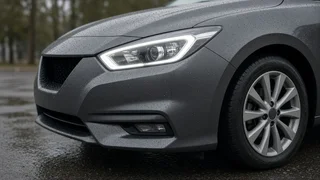
Nissan muscle cars

The phrase “Nissan muscle car” points to a recurring question among American enthusiasts: which Nissan models behave most like traditional Detroit muscle, and how does that idea fit a brand better known for Z-cars and GT-Rs? A muscle car is usually understood as a rear-wheel-drive performance coupe or sedan with a strong emphasis on straight-line acceleration, bold styling, and accessible tuning potential. Nissan has never built a direct equivalent to a classic V-8 pony car, but several model generations and powertrain configurations come close enough in character to explain why the comparison keeps appearing.
Essential answer
Nissan does not have a dedicated muscle car in the traditional American sense, but the term most often describes rear-wheel-drive Nissan performance models that prioritize big power, aggressive body style, and strong acceleration. The closest examples come from the Z lineage, especially later model generations with turbocharged V-6 engines, along with V-8 powered Infiniti relatives that share Nissan architecture. These vehicles deliver the straight-line urgency and aftermarket support that muscle car shoppers value, even though their smaller displacement and different market specification set them apart from a Camaro or Challenger.
The distinction matters because a “Nissan muscle car” is usually a useful shorthand rather than a formal category. A 300ZX Twin Turbo, a 350Z, or a 370Z offers rear drive, a driver-focused coupe body, and substantial tuning headroom, but its character is more international GT or sports coupe than classic pony car. Meanwhile, a V-8 Infiniti M or FX built on Nissan platforms can feel closer to a muscle sedan or muscle SUV in a straight line. Understanding the powertrain configuration, trim level, and model year helps separate genuine muscle-like behavior from styling or badge association.