Nissan Leaf Regenerative Braking and e-Pedal Explained
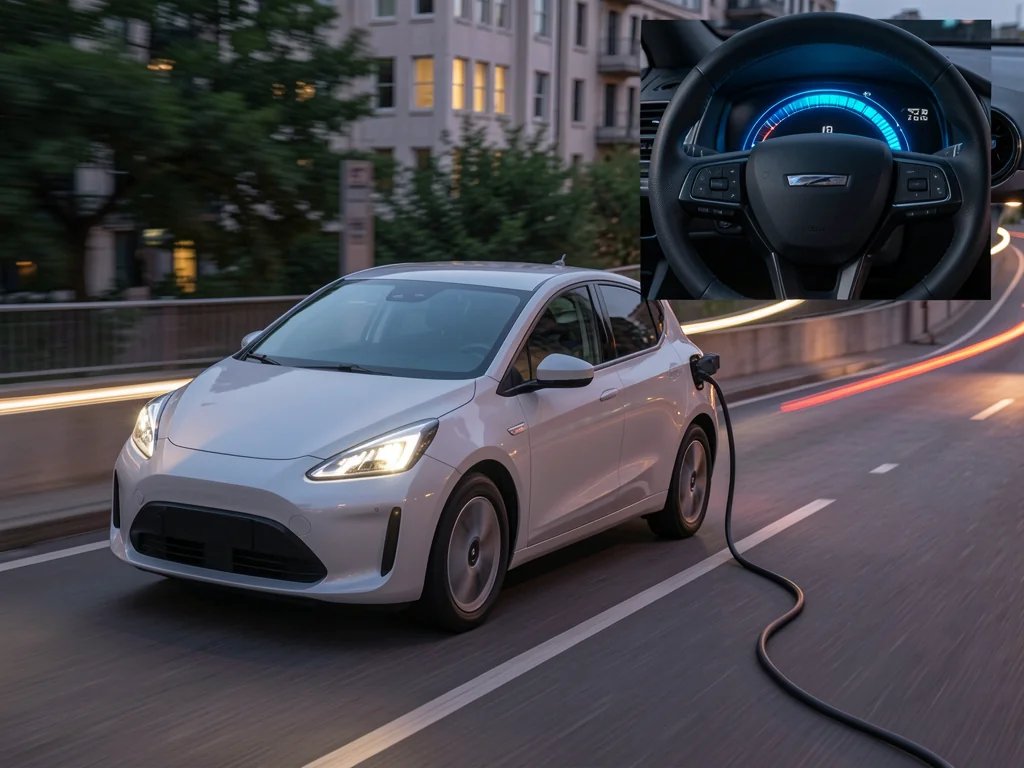
If your Nissan Leaf slows more than expected when you lift off the accelerator, that is regenerative braking turning the drive motor into a generator. Instead of wasting kinetic energy as heat, the motor resists rotation and sends current back to the traction battery. The amount of regen depends on drive mode, battery state of charge, and temperature. Leaf drivers can select D, B, ECO, or e-Pedal to change how strongly the car decelerates. Regen improves efficiency, but its feel can vary. When it seems weak or absent, the cause is often normal operation rather than a fault.
Does the Nissan Leaf Have Regenerative Braking, and How Does It Work?
Yes, every Nissan Leaf uses regenerative braking. When you release the accelerator or press the brake pedal, the drive motor operates as a generator. The spinning wheels turn the motor, creating resistance that slows the car. The motor controller, often called an inverter, converts this rotational energy into electricity. That electricity then flows into the high-voltage traction battery. The more aggressive the regen setting, the stronger the resistance, so the car decelerates noticeably without using friction brakes. Even mild braking requests normally begin with regen, then blend in conventional brakes as needed.
The system balances two braking sources. Regenerative braking recovers energy but has limited stopping force, especially at low speed when the motor generates little power. Friction brakes take over when the driver presses hard, when the battery cannot accept charge, or when the car is nearly stopped. A brake control module coordinates both. The dashboard power meter or energy display shows regen as a needle moving into the charge zone or a graphic of electrons returning to the battery. Because displays differ by year and trim level, owners should check their manual to interpret their specific gauges.
D Mode, B Mode and e-Pedal: Choosing Your Regen Settings
D mode drives like a normal automatic, with mild regenerative braking when you lift off. B mode, short for brake, increases regen and makes the car slow more strongly when coasting. ECO mode changes accelerator response so the car feels gentler and may also increase regen in some models, though its primary purpose is reducing power consumption. The driver shifts between D and B with the gear selector. Some Leafs combine ECO with D or B. The effects are not simply more range; stronger regen changes how the car responds to your right foot, and some drivers find it easier to drive smoothly in one mode over another.
e-Pedal is Nissan's one-pedal driving feature. With e-Pedal on, lifting the accelerator applies strong regenerative braking, often bringing the car nearly to a stop and holding it on hills without the brake pedal. However, e-Pedal does not guarantee a full stop in every situation, especially on steep descents or if the battery is too cold or full. The driver must still use the brake pedal for emergency stops and when regen is limited. Mode selection varies by model year and trim; e-Pedal was introduced on the second-generation Leaf. The Nissan Ariya has its own e-Step regen system with different controls, so Ariya owners should consult their own manual.
Regenerative Braking on the 2015 Nissan Leaf
The 2015 Nissan Leaf, part of the first generation, has regenerative braking controlled by D, B, and ECO modes. D mode provides mild engine-braking feel. B mode increases regen, useful for downhill driving and stop-and-go traffic. ECO mode softens accelerator response and may increase regen in some situations, but its intent is efficiency. Drivers can combine ECO with D or B. There is no e-Pedal on a 2015 Leaf; that feature arrived with the second generation in 2018. Owners should confirm their exact trim's features in the manual or with a dealer, as not all first-generation models have identical displays or regen behavior.
On older Leafs, battery degradation affects regen. A battery with reduced capacity charges faster relative to its usable range, so the battery management system may limit regenerative current sooner, especially near full charge. Cold temperatures also reduce regen because lithium-ion batteries accept charge slowly when cold. Drivers will see this on the power meter: fewer regen bubbles or a smaller charge needle deflection than expected. The meter is a reliable indicator of what the battery is accepting at that moment. If regen is consistently weak even with a warm battery and moderate charge, the EV system may need diagnosis.
How Efficient Is Leaf Regenerative Braking?
Regenerative braking recovers only part of the energy used to accelerate. The car loses energy to aerodynamic drag, rolling resistance, heat in the motor and inverter, and friction brakes. Regen cannot recapture those losses. The efficiency of recovery depends heavily on driving conditions. In stop-and-go city traffic, frequent gentle braking returns a meaningful fraction of energy that would otherwise be wasted as heat. On long downhill stretches, regen can maintain speed while recharging the battery. On flat highways with steady speed, regen is rarely used, so it contributes little to range. Thus, quoted regen efficiency numbers are misleading without context.
Smooth, planned slowing recovers more energy than hard braking. When you brake gently, the system relies mostly on regen. During hard braking, the friction brakes absorb much of the kinetic energy, which is lost as heat. Anticipating stops and coasting early maximises energy recovery. Stronger regen modes like B or e-Pedal increase the deceleration available without using friction brakes, so they can improve efficiency in many situations. However, they do not guarantee more range. Aggressive one-pedal driving with abrupt lift-offs can reduce efficiency by causing unnecessary speed changes. The best strategy is smooth inputs and planning ahead, regardless of regen mode.
Why Leaf Regenerative Braking Seems Weak or Not Working
The most common reason regen feels weak is a battery near full charge. Right after charging to 100% or at the top of a long descent, the battery cannot accept more energy. The system then reduces regen braking, forcing the friction brakes to do more work. The power meter shows little or no charging activity. As the battery discharges, regen returns. Similarly, cold or very hot battery temperatures reduce charging power. In winter, the battery management system limits regen until the pack warms up. The driver may notice the car coasts more freely than usual and the power meter needle stays near zero instead of swinging into the charge zone.
Drive mode also changes regen feel. D mode has gentle regen, while B mode or e-Pedal provides stronger slowing. If a driver expects e-Pedal but is actually in D, regen will feel weak. Very low speeds also reduce regen because the motor generates little current at low rpm; the car transitions to friction brakes below about 5 mph. Warning signs that need professional diagnosis include: persistent reduced regen in normal conditions with moderate battery charge and temperature, warning lights for brakes or EV system, messages about limited regen, or an unusual brake pedal feel. Do not inspect high-voltage components. Take the car to a dealer or EV-qualified technician for proper testing.
Using Regen and One-Pedal Driving Safely
Regenerative braking is not a substitute for the friction brakes in emergencies. The motor's braking force is limited, and in an urgent stop you must press the brake pedal firmly. ABS will still work normally. One-pedal driving can encourage a habit of relying on regen alone, so practice covering the brake pedal in traffic. On slippery roads, strong regen can cause the drive wheels to lose traction because regen braking acts only on the front wheels in most Leaf models. On ice or wet leaves, reduce regen setting or use Eco mode, and make accelerator inputs smooth to avoid sudden weight transfer.
Brake lights may not illuminate during light regen deceleration in all Leaf model years. Some cars activate brake lights only when deceleration exceeds a threshold. Check the owner's manual for your specific model's behaviour. If you brake by lifting the accelerator gradually, a following driver may not see brake lights. This is a safety concern in traffic. Additionally, friction brakes still require periodic inspection even if regen handles most slowing. Brake fluid absorbs moisture, calipers can stick, and rotors can rust. Follow the maintenance schedule in the manual, but do not assume regen eliminates brake wear entirely.