Nissan Leaf Range by Generation and Battery Size
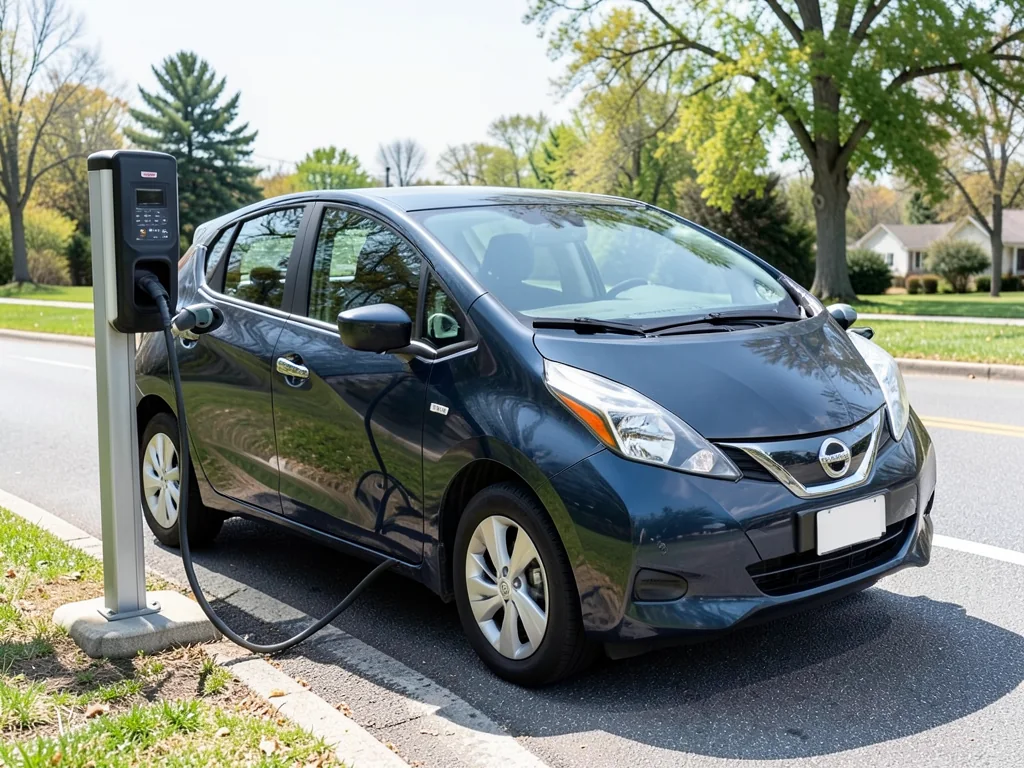
Nissan Leaf EV range depends on which Leaf you are looking at. Across more than a decade of US sales, the Leaf has used several battery sizes, and each generation, model year, and trim has its own EPA-rated range. This guide keeps the broad question of Nissan EV range focused on the Leaf. It explains how rated figures differ from everyday driving distance and how battery health changes the numbers on a used car.
Find the Range Rating for Your Leaf Model Year
To find the right Leaf EV range, match three details: model year, battery capacity, and trim. In some years Nissan offered two battery sizes at once, and trims with the same battery could have different ratings because of weight, wheel size, and equipment. Treat each configuration as its own entry. For the newest generation, use only finalized EPA ratings for US-market cars. Any figure published before certification is a manufacturer estimate and should be labeled that way until it is confirmed.
An EPA-rated range comes from standardized test cycles, adjusted to reflect typical driving. It is useful for comparing cars, but it does not promise that every trip will cover that distance. Battery capacity, measured in kilowatt-hours, is the amount of energy the pack stores. Range in miles depends on how efficiently the car turns that energy into motion. Nissan's published capacity labels are generally nominal figures. Usable battery energy is lower, because the system holds back a buffer to protect the cells and preserve battery health.
First-Generation Leaf: 24 kWh and 30 kWh Range
The first-generation Leaf went on sale in the US with a 24 kWh pack. Later in that generation, a 30 kWh pack arrived on some trims while others kept the 24 kWh battery for a time. Original EPA ratings changed across model years as Nissan improved efficiency and changed the charging assumptions used for rating, so two cars labeled 24 kWh can list different figures. That is why battery capacity alone cannot tell you which rating applies. You need the model year and trim as well.
The original rating describes the car when it was new. Leaf packs from this period use passive cooling, which can make capacity loss worse in hot climates, so an older example may cover noticeably less distance than its sticker suggested. Some cars have also had their packs replaced, sometimes with a different capacity. Service records, dealer repair invoices, warranty paperwork, and a battery report can show whether the pack is original. Check those documents instead of assuming the badge tells the whole story.
Second-Generation Leaf: 40 kWh Range
The 40 kWh battery arrived with the redesigned second-generation Leaf, which went on sale in the US for the 2018 model year. It stayed the standard pack for much of that generation. Its EPA-rated range was a large improvement over first-generation cars, but ratings can vary slightly by model year and trim, so confirm the figure listed for the exact vehicle. Heavier equipment and larger wheels on upper trims can lower efficiency compared with a lightly equipped version.
How far you can go on a given trip depends on your starting state of charge, the route, the weather, and the battery's current condition. A car charged only partway for daily commuting has less energy available than one charged fully before a trip. The dashboard's remaining-range estimate is based on recent energy use. It can drop quickly after sustained highway driving, heavy use of heating or air conditioning, or a sudden change in temperature, then recover once conditions become easier.
Leaf Plus and Versions Listed at 60 or 62 kWh
The Leaf Plus joined the lineup for the 2019 model year. It paired the second-generation body with a larger battery that Nissan has described as 62 kWh, while some model-year materials list it at 60 kWh. The Plus name appeared on several trims, and each had its own EPA rating, with the base Plus trim generally rated higher than the better-equipped versions. Nissan changed the lineup more than once, so tie each rating to a specific year and trim instead of using one number for every large-battery Leaf.
A 60 or 62 kWh label is a published specification. It does not measure the usable energy in any individual car. The two figures may reflect how capacity was described in different years rather than physically different packs, and age reduces how much any battery can store. To confirm which version a car has, check the window sticker if it is available, have a dealer decode the vehicle identification number, and review the build paperwork and service records. Plus badging is a helpful clue, but badges can be swapped or missing.
What Shapes Leaf Range on an Actual Drive
Energy use rises with sustained speed because aerodynamic drag increases sharply as the car goes faster. As a result, highway driving usually uses more energy than steady suburban traffic. Climbing hills takes extra energy, although regenerative braking recovers some of it on the way down. Headwinds, roof racks, a full load of passengers or cargo, underinflated tires, and worn or less efficient replacement tires all add resistance. Keeping the tires at the pressure listed on the door-jamb placard is one of the simplest ways to protect range.
Range drops in cold weather because the battery's chemical reactions slow down and heating the cabin uses significant power. How much range you lose depends on the temperature, the length of the trip, and whether the car has a heat pump, which Nissan fitted to some trims and years. Air conditioning also uses energy, though usually less than heating. To check your own car's range, note the trip distance, the displayed efficiency in miles per kilowatt-hour, and the charge used during normal driving. Never run the battery down on purpose to measure range.
Assess Battery Health and Plan a Useful Driving Margin
A used Leaf's original EPA rating shows only how the car performed when new. Its current capacity depends on age, climate, charging habits, and mileage. The dashboard's battery-capacity bars and remaining-range display give rough clues, but each bar covers a broad range and the estimate reflects recent driving rather than actual battery health. Before buying a used Leaf, or if range seems unexpectedly short, get a professional battery assessment with diagnostic equipment. Interpret any stored fault code in context rather than treating it as proof that a part has failed.
For a rough estimate of range, multiply the car's estimated usable energy by your observed miles per kilowatt-hour. Both numbers are uncertain, and conditions will change the result. Start each day with enough charge for the planned route plus a comfortable reserve, and know where you can reach a charger. For longer trips, check that fast chargers along the route have the connector your Leaf uses, since many Leafs use CHAdeMO. Confirm that the chargers are available before you leave, and plan a backup charging stop.