Nissan Fuel Pump Recall: VIN Checks and Owner Next Steps
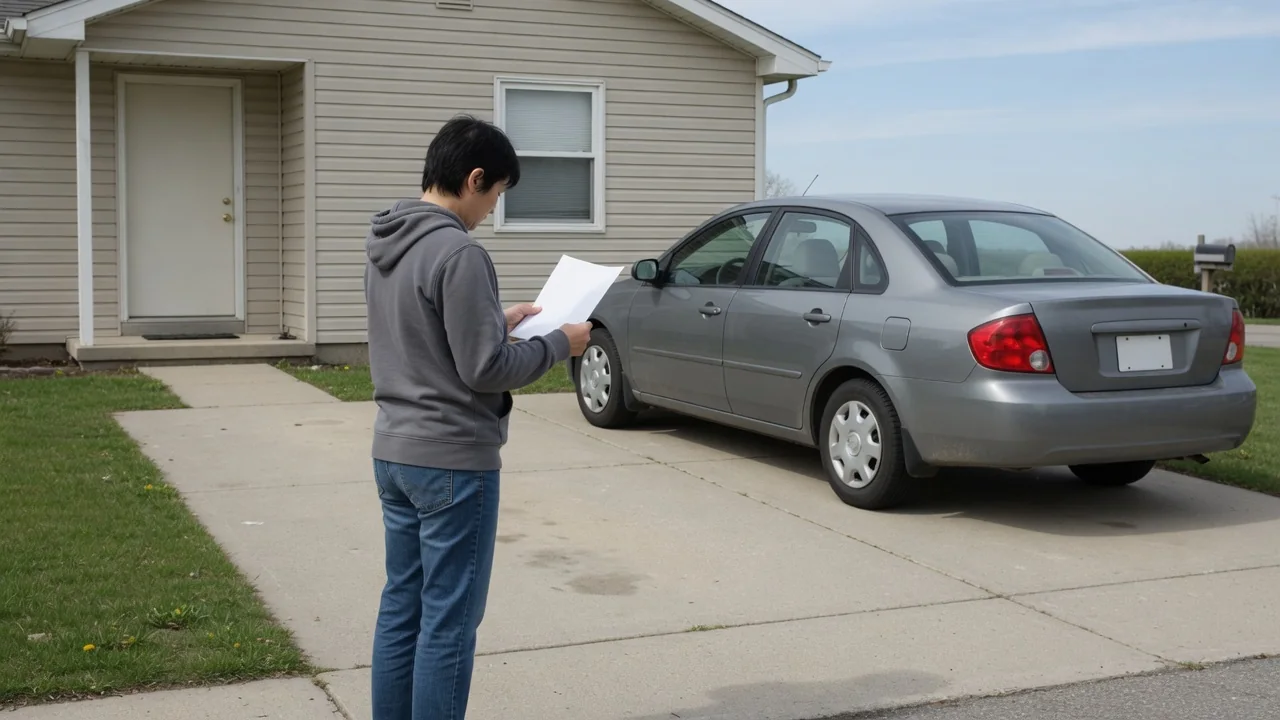
A Nissan fuel pump recall is tied to a specific campaign, not to the brand name or a general fuel-system complaint. Owners who receive a recall notice, or who want to check open recall status, should use a VIN recall lookup and follow that campaign's stated remedy through an authorized Nissan dealer rather than assuming every fuel pump concern is the same campaign.
What a Nissan Fuel Pump Recall Covers
Recall coverage exists only when a named campaign lists a vehicle's identification number. The Nissan name, a similar model, or a fuel delivery complaint does not create eligibility. Each campaign describes a stated defect, the component involved, and the safety concern that prompted the action. Owners should confirm those details against the campaign number on a recall notice or in an official lookup, because separate campaigns can involve different pumps, modules, or related fuel-system parts.
A safety recall is a manufacturer or government-directed campaign addressing a defect that can affect safe operation. That is different from a service campaign, a warranty repair, or an owner complaint about hard starting or poor fuel delivery. Those other actions may share similar language, yet they do not automatically mean the vehicle is part of a fuel pump recall. Treating every Nissan fuel-system issue as one universal campaign can send owners to the wrong remedy. Coverage stays campaign-specific, and only that campaign's official description should be used to describe what is being inspected or corrected.
How to Confirm Whether Your Nissan Is Affected
The reliable way to confirm a Nissan fuel pump recall is a VIN recall lookup, not a model-year guess. The vehicle identification number appears on registration and insurance paperwork and on the identification plate visible through the lower corner of the windshield. Enter that full VIN in Nissan's official recall lookup or the U.S. federal vehicle recall lookup. Those tools report open recall status by campaign and can display a campaign number when coverage exists. A model name and model year, even when they match a widely discussed campaign, cannot establish that a particular vehicle is included.
Production date, plant, and other build details can place two vehicles of the same model and year on opposite sides of a campaign boundary. Official campaign information is the only source for any model, year, or production range, and each range belongs only to the campaign that lists it. A lookup result applies to that VIN at that time and does not describe other Nissans. When a recall notice arrives, compare the VIN and campaign number on the letter with the lookup so the owner and the dealer are using the same record.
Warning Signs That Need Attention
Fuel delivery problems can show up as a long crank, a stall after start, hesitation, or a sudden loss of power while driving. Those symptoms deserve attention because they can leave a driver without expected engine response in traffic. They do not identify a Nissan fuel pump recall or prove that the pump has failed. Ignition, fuel quality, filters, sensors, and other engine-management faults can produce the same behavior. An open recall on a VIN is a coverage finding, not a diagnosis, and a campaign vehicle may still run without any noticeable change in starting or drivability.
Because an affected Nissan can have no warning signs, owners should not wait for a stall or a no-start before checking recall status. Recurring hard starts, unexpected stalls, or power loss still warrant professional evaluation even when a lookup is clear or a campaign has been completed. That work belongs in a shop equipped to inspect the fuel system; owners should not open fuel lines, probe pump wiring, or remove tank components. A technician can interpret stored data without treating a code or a symptom as proof that a particular part has failed.
What to Do if the Vehicle Stalls or Loses Power
If a Nissan loses power or stalls in motion, the immediate concern is traffic, not identifying a campaign. When it is safely possible, move the vehicle out of the travel lane, switch on hazard lamps, and call roadside assistance rather than trying to restart in a live lane. A single stall can have several causes, yet repeated stalling or an inability to keep the vehicle under control means it should not be driven until assistance or a professional assessment is arranged. Driving a vehicle that will not maintain power risks a sudden stop in traffic.
A strong fuel odor or a visible leak is a reason to stop using the vehicle and seek help, even though those signs do not identify a recalled fuel pump or any other specific defect. Fuel vapor and liquid fuel present fire and inhalation risks that are separate from whether a campaign applies. If a recall notice or dealer message includes driving or parking restrictions for that campaign number, follow those instructions rather than general advice. When the guidance is unclear, ask an authorized Nissan dealer how the vehicle should be transported, including whether towing is preferred over driving.
Arranging the Recall Remedy With a Nissan Dealer
When a VIN recall lookup or a mailed recall notice shows an applicable Nissan fuel pump recall, gather the VIN, the campaign number if it is listed, the notice itself, and a brief history of any starting, stalling, or power-loss events. Call an authorized Nissan dealer before bringing the vehicle in and ask the service department to confirm coverage, whether the recall remedy is in stock or scheduled, and what appointment or drop-off requirements apply. That confirmation prevents a wasted trip when parts are not ready or when the campaign on the notice does not match the VIN on file.
The recall remedy is only what the applicable campaign specifies. Some campaigns inspect, update, or replace a pump or module; others may use a different correction, so owners should not assume every Nissan fuel pump recall requires a pump replacement. Applicable safety recall work is generally provided without charge. Diagnostic time or repairs outside that campaign should be discussed as a separate authorization. Ask about expected repair timing, transportation assistance, and any reimbursement procedure for prior related work, without treating those extras as guaranteed; availability and eligibility depend on the campaign and dealer policy.
When the Lookup Shows No Open Recall or Symptoms Continue
A lookup that shows no open recall status does not establish that the fuel system is healthy. It only means no matching campaign is listed as incomplete for that VIN at that moment. Fuel delivery can still fail from wear, contamination, electrical faults, or unrelated components. If a mailed recall notice conflicts with the lookup, if the result is uncertain, or if records suggest a previously completed remedy, ask Nissan or an authorized Nissan dealer to reconcile the VIN, campaign number, and completion date. Records can lag, and a dealer can check whether a campaign was closed or never applied.
After a campaign is completed, keep the repair order and any written confirmation that the recall remedy was performed. Those documents help if a later lookup still shows open recall status, if a second notice arrives, or if a future owner needs proof. If starting, stalling, or fuel delivery symptoms continue after the remedy, treat that as a new diagnostic question rather than proof that the same pump or module has failed again. Remaining symptoms can come from other parts of the fuel or ignition system and need professional diagnosis before further parts are replaced.