Nissan Frontier Timing Chain Replacement: Symptoms and Repair Scope
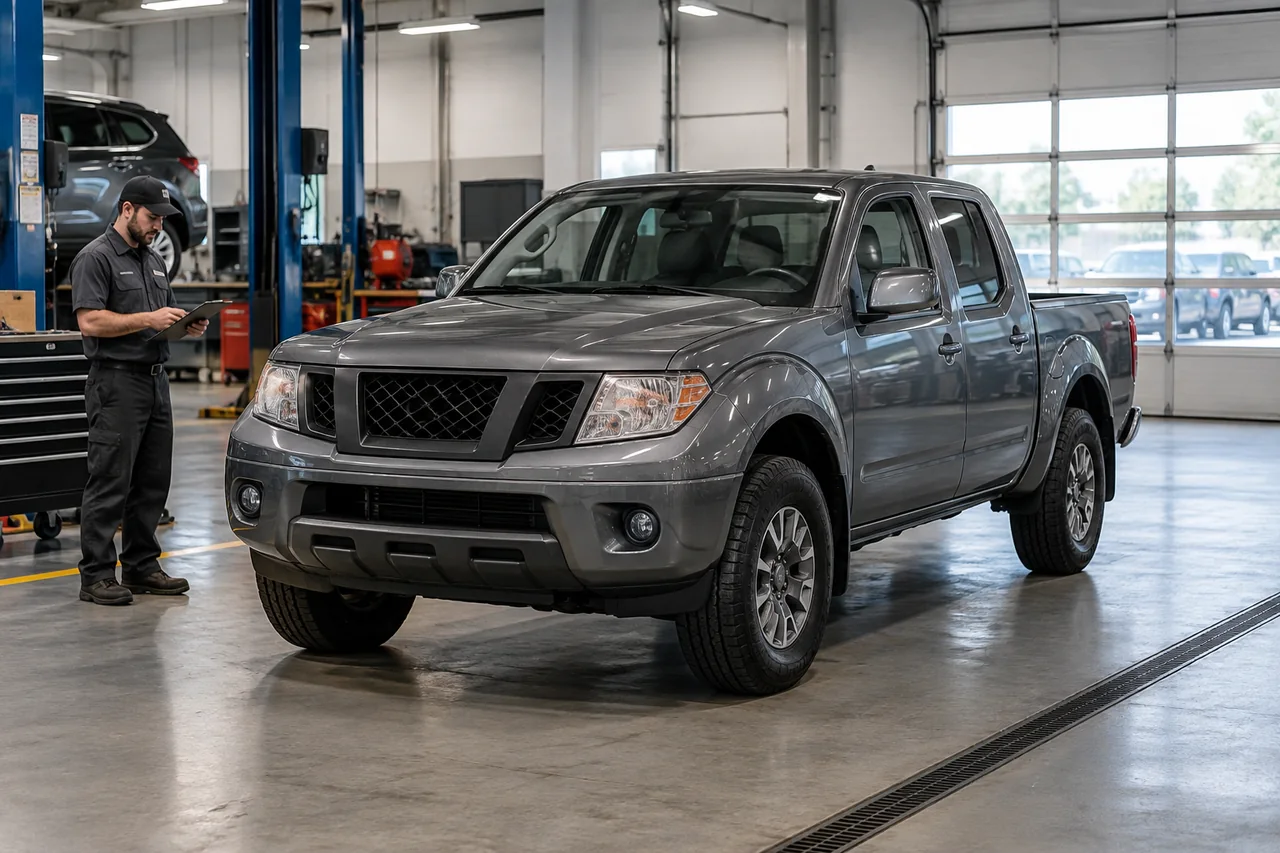
Timing chain concerns can turn a dependable Nissan Frontier into a source of worry. Drivers often notice new rattling at startup, intermittent rough running, or a sudden check engine light. Because the timing chain coordinates camshaft and crankshaft synchronization, problems may grow serious if ignored. Determining whether replacement is truly needed, and what that repair involves, starts with engine identification and careful symptom tracking. This guide explains how to evaluate signs, confirm the cause, understand Nissan Frontier timing chain replacement scope, review estimates, and verify the finished work.
Identify the Frontier’s Engine Before Planning Timing Chain Work
Before planning timing chain work, confirm the exact Frontier engine under the hood. Model year and engine code determine whether the engine uses a timing chain or timing belt, and which tensioners, guides, and covers are involved. Repair history matters because previous engine work can alter access or part condition. Mileage provides context, but it does not prove a chain is stretched or that guides are worn. The applicable service information should be based on the specific truck configuration, including any production changes or technical service bulletins that affect repair scope.
A timing chain is not used in every Frontier engine, so the guide only applies after confirming chain-driven valve timing. Even then, replacement decisions require diagnostic findings. A chain can make noise or set timing correlation faults while a different component, such as a worn tensioner or failed guide, is the actual cause. Vehicle-specific service data helps a technician interpret measurements correctly. Approaching the problem with only a noise complaint and odometer reading risks unnecessary disassembly and cost, so positive identification is the essential first step.
Recognize Symptoms That Warrant Timing System Evaluation
Reported rattling, especially on a cold start, is a common reason to suspect timing chain issues. Unusual engine noise, rough running, hard starting, and warning lights can also appear. None of these symptoms alone proves chain failure. A loose heat shield, failing accessory pulley, or low oil pressure can mimic chain noise. Noting when the noise occurs—at startup, when warm, or continuously—helps a technician narrow the investigation. If the sound disappears after oil pressure builds, a tensioner or guide may be involved; if it persists under load, other engine areas deserve attention.
Record recent oil service and any visible leaks before a shop visit, but avoid running the engine solely to reproduce a concerning noise. Low oil level or old oil can reduce tensioner performance and create noise that is not a permanent chain defect. An oil pressure warning, severe persistent noise, or stalling is more urgent. In those situations, stop safely and arrange professional assistance. Continuing to drive risks engine damage if valve timing has shifted. An accurate symptom log, including cold-start behavior and warning messages, gives the technician useful clues without exposing the engine to additional risk.
Confirm the Cause Before Authorizing Replacement
A technician evaluates suspected timing chain problems by first checking oil condition and pressure. Contaminated or low oil can cause tensioner and guide noise. Next, the noise source may be isolated with a stethoscope while the engine runs, and fault data can be reviewed for camshaft or crankshaft correlation codes. Testing engine synchronization with a scan tool compares actual cam position against expected values. These findings separate a suspected chain problem from confirmed wear in the chain, tensioners, guides, or related components. Without this evidence, a shop should not state that any single cause is common or guaranteed.
Diagnostic codes require vehicle-specific interpretation. A code pointing to camshaft position or timing over-advanced does not identify the part that needs replacement. It could be caused by wiring, an oil control valve, a stretched chain, or a failed tensioner. Sound recordings and driveway observations have limits. A brief rattle may be captured, but internal inspection is often required to see cracked guides or measure chain stretch. Only after the technician confirms the source through testing or controlled disassembly can replacement be properly authorized.
Understand Nissan Frontier Timing Chain Replacement Scope
Nissan Frontier timing chain replacement is professional work involving engine access, inspection, correct timing setup, sealing, and verification. The procedure generally requires draining coolant and oil, removing the timing cover, and locking the camshaft and crankshaft in the proper alignment before installing new components. Exact disassembly steps and timing adjustment instructions are not owner tasks. The repair requires care with the timing cover gasket or sealant to prevent oil and coolant leaks after reassembly. A technician then rotates the engine by hand to confirm no valve-to-piston interference and rechecks timing alignment.
The components included must follow the identified engine’s service procedure and documented condition. A timing set may include the chain, tensioners, guides, sprockets, and gaskets, but shops vary. Ask whether the estimate covers the primary tensioner, secondary tensioners, guide rails, crankshaft seal, and fresh fluids. If the technician finds evidence of additional internal damage, such as a scored oil pump drive or failed variable valve timing actuator, the scope changes. Additional work should not begin without written approval and an explanation of why it is needed for a durable repair.
Read the Estimate and Plan for Vehicle Downtime
A written estimate should separate diagnosis from repair work. It must list the confirmed failure, labor hours, itemized parts with part numbers, fluids, sealing materials, and applicable warranty terms. Engine configuration affects labor because some Frontiers require more removal for timing cover access. Labor rates and parts markup vary by region, so the estimate should not be judged against a generic online price. A detailed scope helps you compare quotes fairly and understand what is included. Ask the shop to note whether the price assumes reuse of certain hardware or includes replacement bolts and seals specified by the service procedure.
Parts availability can delay completion, especially for engine-specific guide rails or tensioner gaskets. Ask for an expected completion date and how the shop handles newly discovered damage once the timing cover is off. A responsible shop will stop work and call with findings if the scope changes. Finally, ask whether the truck can be driven to the shop or needs towing based on actual symptoms. If the engine stalls, has a severe noise, or shows an oil pressure warning, towing is safer. Continuing to drive with possible valve timing problems can cause major engine damage before repair is attempted.
Check the Repair Results and Keep a Clear Service Record
After replacement, the shop should verify appropriate engine operation. This includes starting the engine, listening for unusual noise, checking for oil or coolant leaks around the timing cover, and confirming that timing-related diagnostic results are normal. The vehicle may need a short test drive and a recheck of fluid levels after reaching operating temperature. A post-repair inspection protects the warranty and catches installation problems such as a misrouted harness or a leaking front crankshaft seal. Ask what checks were performed and request that the results be noted on the final invoice.
When you pick up the Frontier, watch for warning lights, recurring startup rattle, rough idle, and visible fluid spots under the engine. Some oil residue from installation may appear briefly, but fresh drips after a day or two deserve attention. Contact the shop promptly if symptoms return, and stop safely for serious warning signs like oil pressure loss or stalling. Keep the diagnostic findings, installed parts list, and warranty paperwork together. Following the vehicle’s specified oil maintenance guidance supports timing chain life, but avoid inventing an interval; use the schedule for your Frontier’s engine and operating conditions.