Nissan Brake Fluid: Type and Replacement Guidance for Rogue Owners
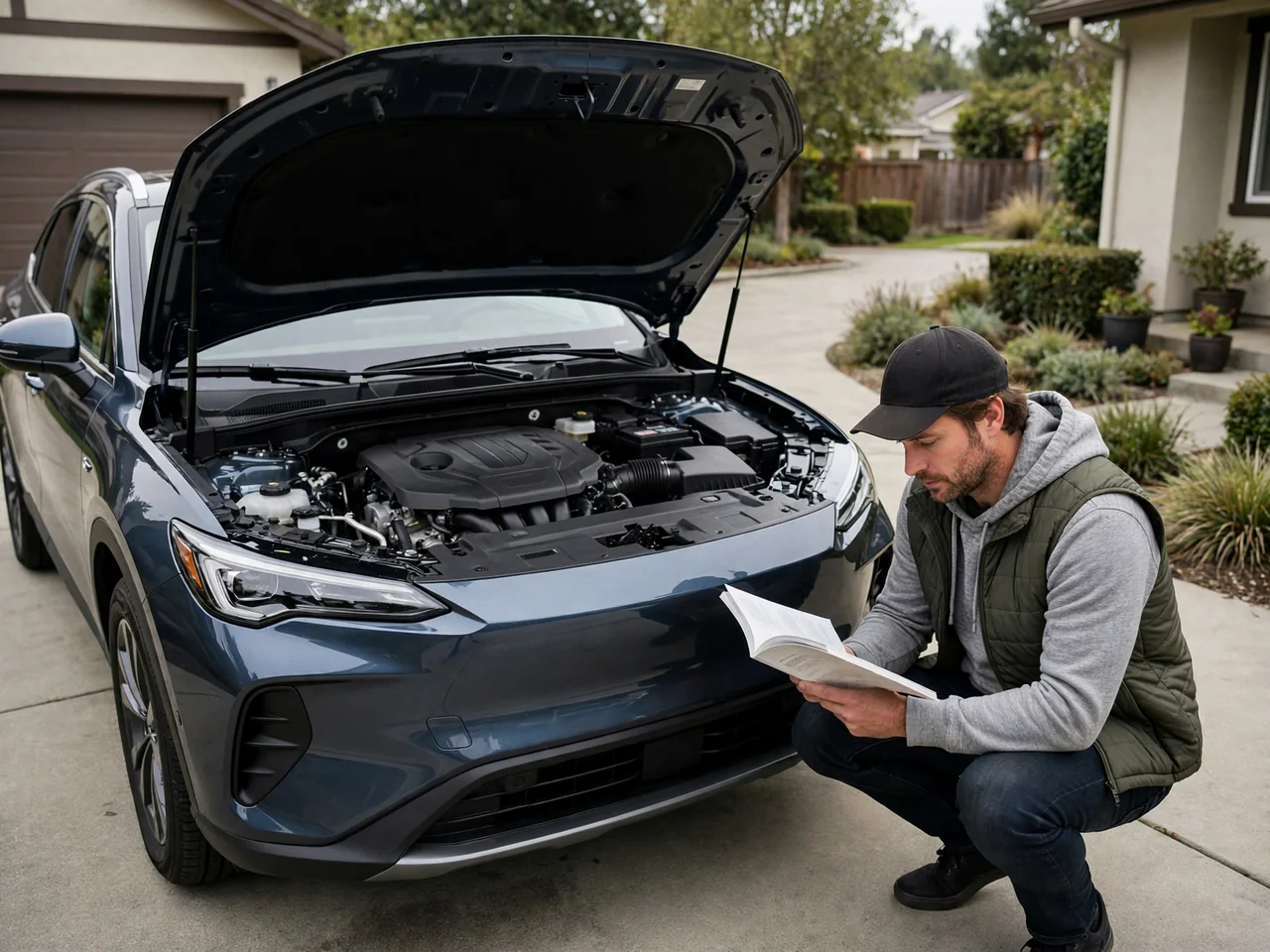
Nissan owners looking for brake fluid Nissan guidance should start with the specification written for their exact vehicle rather than a generic bottle label. Nissan brake fluid questions usually mix two issues: which fluid the brake hydraulic system requires and how replacement is decided. Brake fluid for Nissan Rogue models follows the same rule. Confirm the requirement in the owner's manual, check reservoir labeling as supporting information, and involve a qualified service provider before adding fluid.
Identify the Brake Fluid Specification for Your Nissan
The owner's manual for the exact Nissan model and model year is the primary source for the brake fluid specification. Look in the fluids, specifications, or maintenance sections rather than assuming a product sold as Nissan brake fluid is automatically correct. A specification describes the performance standard the brake hydraulic system was designed around. A brand name only identifies who bottled the fluid. Without vehicle-specific support, do not treat a grade, marketing claim, or store recommendation as the requirement for your car.
The brake fluid reservoir cap often repeats a specification as supporting information, but it does not replace the manual if the two disagree or if the cap is unreadable. Missing, faded, or conflicting guidance should be resolved with a qualified service provider who can identify the vehicle and consult the applicable information. A higher DOT number alone does not establish suitability. Fluids that meet different standards can have different chemical bases, boiling behavior, and mixing limits, so a larger number is not automatically safer or more compatible.
Confirm the Requirement for Your Nissan Rogue
Brake fluid for Nissan Rogue owners still depends on the specific vehicle, not on the Rogue nameplate by itself. Confirm the model year and give the full vehicle identification when asking which Nissan Rogue brake fluid applies. Direct the search to the applicable Rogue owner's manual, including its fluid specifications and any brake fluid inspection notes. Those pages are written for that year and market. A shop counter chart or an online listing that omits year, trim, and identification is not a substitute for the published requirement.
Do not extend a specification from one Rogue model year to every Rogue, and do not assume another Nissan model uses the same brake fluid Nissan requirement. Platforms, production changes, and market documentation can differ even when the vehicles look similar. If the manual is unavailable or the fluid already in the brake hydraulic system is unknown, give the service provider the model year, vehicle identification, mileage, and any record of prior brake work. Also describe the color and condition of remaining fluid without assuming that appearance identifies the original specification.
Make a Safe Visual Check of the Fluid Level
A safe visual check starts with the vehicle parked securely on level ground and the engine off, using the owner's manual to locate the brake fluid reservoir. Many Nissan layouts place that reservoir in the engine compartment near the master cylinder, but confirm the labeled container rather than guessing among other fluids. Where the reservoir is translucent, read the external fluid level marks from outside. Opening the cap is unnecessary for a routine level glance and can introduce moisture contamination if the surroundings are dirty or the cap is left off.
A low reading on the fluid level marks can accompany normal pad wear, a leak in the brake hydraulic system, or both. The mark itself does not identify the cause. Adding fluid to hide a falling level can delay diagnosis because the reservoir then looks normal while lining wear or leakage continues. If the marks are hard to see, the fluid looks unusually dark, or the level has changed since the last check, arrange inspection rather than guessing. Uncertain readings are a reason to stop adding fluid and have the braking system examined.
Recognize Symptoms That Need Prompt Attention
A soft or sinking pedal, reduced braking, visible leakage, or a brake warning light deserves prompt attention even when the cause is still unknown. Those signs can involve air, moisture contamination, a leak, lining wear, or another hydraulic issue, and none of them prove a particular part has failed. A normal reservoir level also does not establish that the braking system is safe. Fluid can sit at the mark while pedal feel, warning indicators, or leaked fluid at a caliper, hose, or master cylinder still point to a problem that needs inspection.
If braking feels impaired or hydraulic leakage is suspected, stop the vehicle safely and arrange professional assistance rather than continuing to drive. Do not pump the pedal as an experiment or add unknown fluid to restore travel. Useful observations for the shop include when the symptoms began, whether they change with repeated stops, whether a brake warning light stays on or comes and goes, and whether recent brake work, a collision, or a reservoir top-off occurred. Those details help a technician interpret the evidence without treating any single sign as a completed diagnosis.
Determine When Brake Fluid Replacement Is Due
Replacement timing comes from the maintenance schedule that applies to the Nissan's model year and market, not from a universal interval. Owners should use that schedule rather than inventing a mileage figure that may not match their documentation. Common glycol-based brake fluids can absorb moisture over time, and moisture contamination can lower boiling margin and contribute to internal corrosion in the brake hydraulic system. Appearance alone cannot confirm condition. Fluid that still looks reasonably clear may already hold water, while dark fluid is a reason for assessment rather than proof of a specific failure.
When the last service date is unknown, service history and a professional fluid assessment matter more than guessing. A technician can inspect the reservoir, consider how the vehicle has been stored and driven, and test or evaluate the fluid according to the procedures that apply to that Nissan. Topping off the brake fluid reservoir does not replace aged fluid throughout the hydraulic system. Fresh fluid at the cap mixes only locally, while older fluid remains in lines, calipers, and other circuits. That is why a documented exchange, not a fill-up, is the replacement service.
Understand What Professional Replacement Involves
Professional replacement typically begins with inspection of the reservoir, hoses, and related hardware, then uses the specified fresh fluid from a sealed brake fluid container. The shop exchanges fluid in the brake hydraulic system and finishes with leak and pedal checks rather than stopping at a visual fill. Exact service methods, including any equipment the procedure requires, must follow the vehicle's documented process. A method that works on another Nissan or another Rogue year is not automatically correct. Ask that the work match the applicable procedure instead of a generic flush description.
Brake fluid must be protected from moisture contamination and dirt from the moment the sealed brake fluid container is opened. Unknown, leftover, or unsuitable products should not be added, even in small amounts, because mixing can change boiling behavior and damage internal parts. After service, ask the shop to document the brake fluid specification used, inspection findings, and the work completed. That record helps the next technician and gives the owner a clear account of what was installed. Keep the invoice with the owner's manual so later Nissan Rogue brake fluid questions can be answered from the vehicle's own history.