Nissan Altima Oxygen Sensor: Location, Symptoms and Replacement
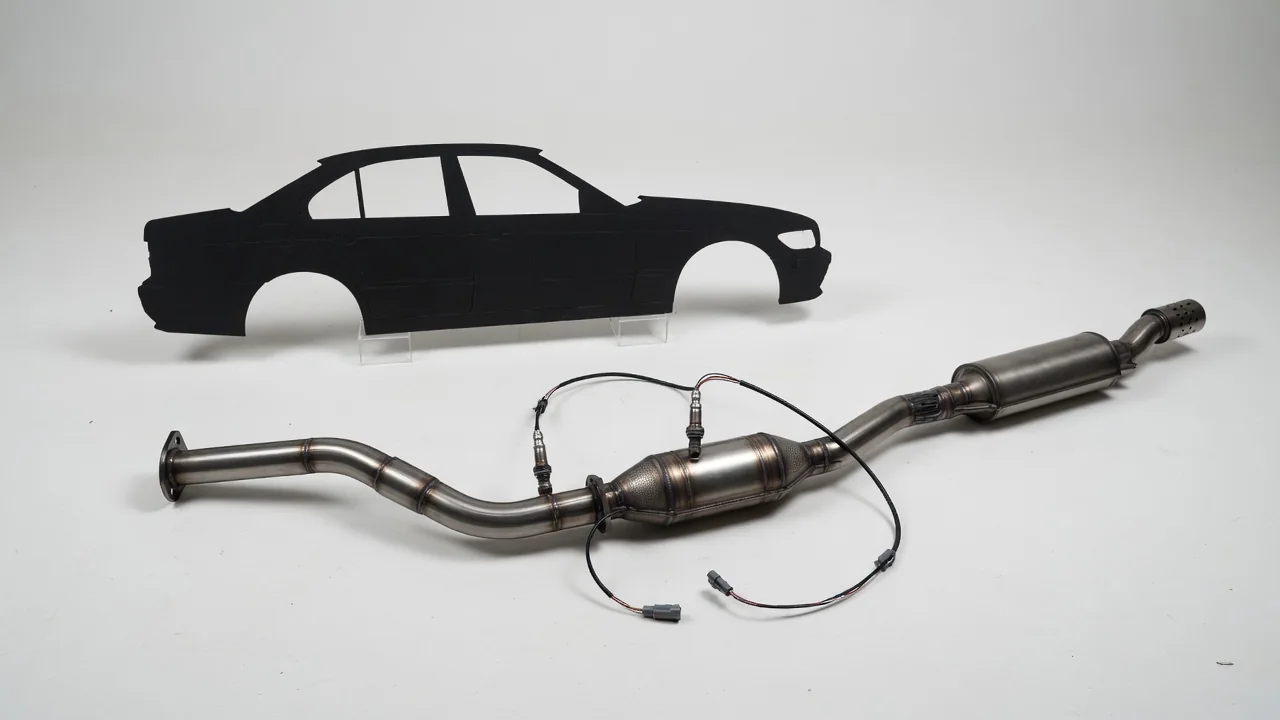
A Nissan Altima oxygen sensor is one of several exhaust-mounted devices that help the engine computer manage mixture and monitor catalyst performance. Before you order an oxygen sensor for a Nissan Altima, confirm the model year, engine, body style, and emissions setup, because those details change how sensors are named, numbered, and fitted. Layout, common codes, and replacement notes differ across popular years, including 2008, 2010, and 2013.
Identify Your Altima’s Engine and Sensor Configuration
The right listing for a Nissan Altima oxygen sensor starts with identification, not a parts-counter guess. Model year, engine family, and, where more than one was offered, body style and emissions configuration determine labeling, connector style, and which sensor belongs on that car. Service information may call the same device an air/fuel ratio sensor or a heated oxygen sensor, depending on position and calibration. Match the designation in the vehicle-specific catalog rather than treating those names as interchangeable.
A check-engine lamp or a generic scan-tool phrase such as O2 sensor does not identify which unit to replace. Bank and sensor numbering, heater-circuit versus signal-circuit wording, and whether the complaint involves fuel trim or catalyst efficiency all change the diagnosis. Until those details are confirmed against Nissan service information for that Altima, replacing a visible sensor is only a guess. Record the stored codes and freeze-frame data first so the description on the dash is not treated as a parts list.
Locate the Correct Bank and Sensor Position
On a clearly labeled schematic, the upstream sensor sits in the exhaust path before the catalytic converter that the control module is evaluating, and the downstream sensor sits after that converter. Bank 1 is the bank that contains cylinder 1; other banks, if present, are identified from engine-specific service information rather than from left-right habit. Those labels matter because a Nissan Altima oxygen sensor order is position-specific. Confirm bank orientation on the diagram for that engine before treating any bung as Bank 1 Sensor 1.
Do not state sensor counts, exact mounting locations, or access routes until a verified layout for that year, engine, and emissions package is in hand. Altima exhaust arrangements are not identical across the lineup, so another 2010 Altima is not a map for every model. Limit owner inspection to components that are safely visible with the engine off and the exhaust cool. Underbody tracing, heat-shield removal, and difficult identification belong with a qualified technician who can work from the correct schematic.
Confirm Oxygen Sensor Details for 2008, 2010, and 2013 Altimas
For a 2008 Nissan Altima, confirm engine and emissions details before identifying the oxygen sensor location or replacement listing. That year can share a badge with more than one powertrain and calibration, so a year-only part pick is not enough. On a 2010 Nissan Altima, match the diagnosed bank and sensor position to a VIN-verified oxygen sensor listing. Fitment for that year should also match engine and emissions configuration so the connector and calibration belong to that car.
A 2013 Nissan Altima oxygen sensor reference is equally year-specific. Confirm body style and engine before applying any diagram or replacement listing, because sedan and related variants from that year are not automatically the same under the exhaust heat shields. Keep each of these year notes limited to identification and VIN-based fitment. Do not assume a 2008, 2010, and 2013 Altima share parts, sensor counts, or access procedures even when the complaint sounds identical on the scan tool.
Recognize Symptoms Without Assuming Sensor Failure
An illuminated check-engine light, higher fuel consumption, or rough running can accompany an oxygen-sensor complaint, but each of those signs has other common causes, including mixture faults, ignition problems, and exhaust leaks. Some oxygen-sensor-related faults produce no obvious change in how the Altima drives; the module may set a heater-circuit or signal code while the car still feels normal. Treat the symptom as a reason to scan, not as proof that a particular Nissan Altima oxygen sensor has failed.
Before codes are cleared, record when the symptoms occur, the exact stored codes, and any freeze-frame snapshot of engine speed, load, and temperature. That record is often more useful than the lamp itself. Stop driving and seek assistance if the check-engine light is flashing together with severe rough running, if there is major power loss, or if exhaust fumes enter the cabin. Those conditions go beyond a simple sensor suspicion and need immediate professional attention.
Understand Oxygen Sensor Codes and Diagnostic Limits
Examples such as P0130 for a Bank 1 Sensor 1 circuit fault and P0135 for its sensor heater circuit illustrate how codes point to a circuit or function, not automatically to a failed part. Confirm that those examples apply and match Nissan diagnostic wording for the specific Altima before using them. P0420 concerns Bank 1 catalyst-system efficiency and does not establish that an oxygen sensor needs replacement. Manufacturer-dependent codes never get a universal definition; verify vehicle-specific meaning first.
Wiring damage, exhaust leaks, mixture problems, and a genuine sensor fault can produce overlapping data, so professional circuit testing and live scan data are often required to separate them. Fuel trim that looks high or low is evidence to interpret, not a parts order. Air/fuel ratio sensor readings must be compared with the service specifications for that calibration. Do not apply a universal voltage rule that was written for a different sensor type.
Verify Replacement Fitment and Confirm the Repair
Verify the replacement by VIN, engine, emissions configuration, bank, sensor position, connector, and the applicable part number. VIN-based fitment is the practical way to avoid mixing an upstream air/fuel ratio sensor with a downstream heated oxygen sensor, or installing a unit whose heater circuit does not match. Replacement work often contends with exhaust heat, restricted access, seized threads, and damaged wiring. Those conditions affect difficulty and should be assessed by someone equipped for hot exhaust components; they are not a reason to improvise lifting or cutting.
Labor time and overall cost follow access, the depth of diagnosis, and the condition of the bung, harness, and converter area. There is no single current price and no assumed replacement interval that applies to every Altima. After the part is installed, check for returning codes, confirm relevant sensor operation on a scan tool, and allow the emissions monitors to complete. Clearing the warning light by itself does not prove the fault is fixed if the same circuit, fuel-trim, or catalyst-efficiency condition returns.