Nissan Altima Alternator Problems: Symptoms, Testing, and Replacement
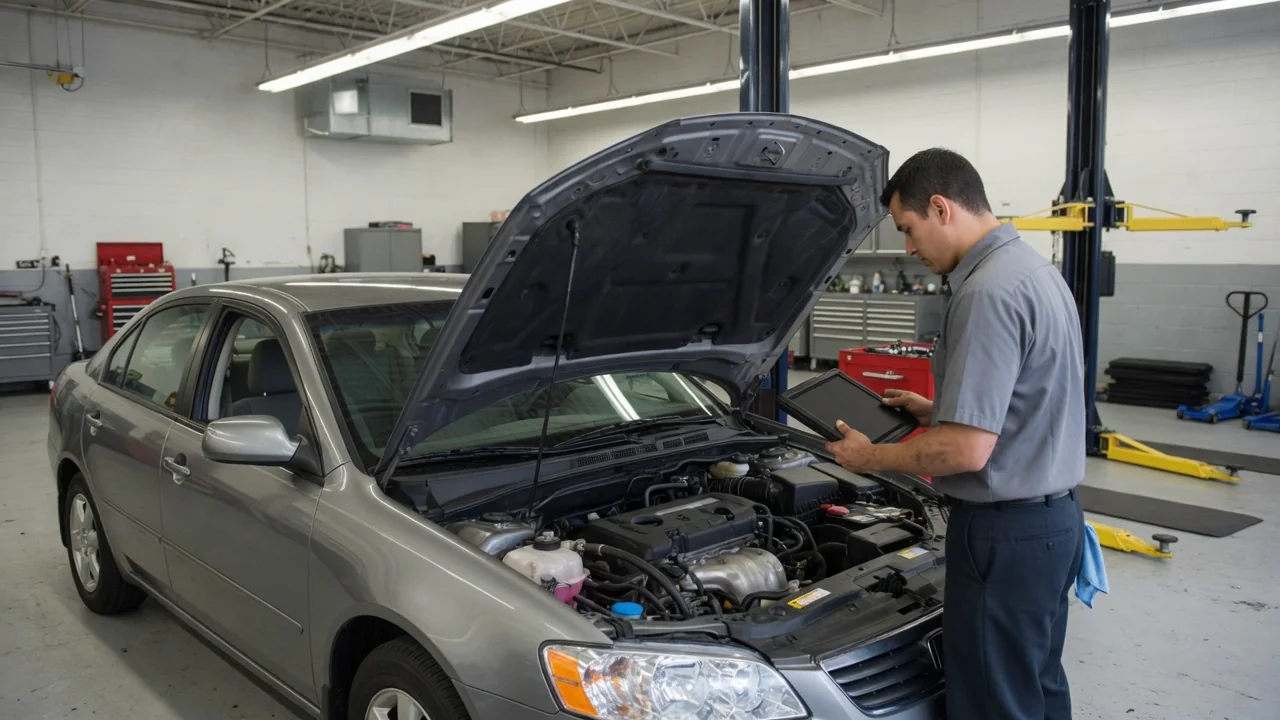
The alternator for a Nissan Altima keeps the charging system supplied while the engine runs. A battery warning light or electrical power loss does not prove the Nissan Altima alternator has failed. This guide explains how the alternator on a Nissan Altima works, which symptoms justify charging system diagnosis, what you can safely observe, and how to confirm fitment and a replacement warranty.
What the Alternator Does in Your Nissan Altima
With the engine running, the alternator on a Nissan Altima converts mechanical energy from the drive belt into electrical power for ignition, lighting, climate control, and electronics. At the same time it replenishes the battery so stored energy is available for the next start. If belt speed or output drops, the charging system can no longer keep up with demand, and the battery begins to discharge even though the car still starts. That is why a healthy battery can still go flat after repeated short trips with a weak charging source.
A discharged battery or an illuminated charging warning does not identify the Nissan Altima alternator as the failed part. Loose battery terminals, a slipping drive belt, a failed battery, or a wiring fault can produce the same warning. Charging system diagnosis has to separate those causes before any replacement is ordered. Model year, engine, and vehicle configuration also matter, because output rating, connector layout, and pulley design vary across Altima generations. An alternator for Nissan Altima service work must match that specific vehicle, not a generic listing.
Symptoms That Warrant a Charging System Check
Several warning signs justify a charging system check on a Nissan Altima. A battery warning light or charging indicator may stay on after start-up, headlights may dim at idle, or accessories may cut out under load. Repeated battery discharge after a known-good charge is another reason to inspect the charging path rather than simply swapping the battery again. None of these symptoms isolate the Nissan Altima alternator, because the same complaints appear with corroded battery terminals, a weak battery, or a slipping drive belt.
Slow cranking or a no-start can involve the battery, connections, the starter circuit, or the charging system, so those conditions still warrant inspection rather than an automatic alternator swap. Unusual noises from the belt area or a burning odor also justify a look, yet those clues do not prove the alternator itself has failed. If you see smoke, smell severe overheating, experience stalling, or lose significant electrical power, stop in a safe place and arrange assistance. Continuing to drive through electrical power loss can leave you without lights, power steering assist, or a restart.
Safe Observations Before a Service Appointment
Before a service visit, write down when symptoms appear, which warning lights come on, and whether the issue follows parking, starting, or driving. That timeline helps a technician decide whether the charging system, battery, or another circuit deserves priority. With the engine off and cool, you can note visible corrosion on battery terminals or an obviously cracked or glazed drive belt only where those parts are accessible without disassembly. Do not probe moving parts, and do not treat a visual note as proof that the Nissan Altima alternator needs replacement.
Tell the shop about recent battery work, jump-starts, or added electrical accessories, because extra load or a poorly seated cable can mimic charging failure. Skip running-engine contact checks and any test that disconnects the battery while the engine is running; that practice can damage electronics on a modern Altima. Leave charging-output measurement and circuit voltage-drop work to a technician with the correct procedure. Safe observation is about recording facts, not improvising a charging system diagnosis in a parking lot.
Professional Tests That Help Confirm the Cause
Professional charging system diagnosis should assess battery condition and state of charge together with alternator performance. A sulfated or undercharged battery can fail a load test even when the charging source is still capable, and a discharged battery can make output look low until it is recovered. Charging-output checks under specified conditions, circuit voltage-drop testing at cables and battery terminals, and drive belt inspection then help locate the actual fault. Those steps distinguish a weak battery, a high-resistance connection, belt slip, and a genuine output problem.
Vehicle-specific service information is required when interpreting charging behavior on a Nissan Altima, because control strategy and expected output vary by year and engine. A single universal voltage threshold is not enough to declare the unit failed. Stored diagnostic codes, including charging-related or battery warning light codes, guide further testing; they are evidence to interpret, not proof that the alternator has failed. Manufacturer-dependent codes still need confirmation on that vehicle before an alternator for Nissan Altima replacement is approved.
Selecting an Alternator for the Correct Altima Configuration
Confirm model year, engine, VIN, and relevant equipment before ordering an alternator for Nissan Altima replacement. Hybrid and conventional powertrains, different engines, and optional electrical loads can change the specified unit. Alternator fitment is more than a matching name on a box: mounting ears, electrical connectors, pulley configuration, and specified electrical output all have to match reliable application data. Appearance alone, or a listing that names only Nissan Altima, is not enough to promise compatibility.
Ask what condition the replacement unit is in, whether new, remanufactured, or rebuilt, and what the replacement warranty covers, including labor if anything is offered. Confirm which hardware, pulley, or pigtail is included and whether a core-return charge applies until the old unit is sent back. Inspect the incoming part against the vehicle's connectors and pulley style before installation begins. A mismatch discovered after the original unit is removed delays the repair and can leave the Altima stranded until the correct alternator arrives.
Replacement Planning and Checks After Repair
Access and labor for the alternator on a Nissan Altima depend on engine layout, optional equipment, and how crowded the belt drive is; some configurations need more time than others. An estimate typically includes diagnosis, the replacement unit, labor, and any battery, belt, or wiring work that test results separately justify. Ask what measurements support replacement and whether associated charging-system faults, such as high resistance at battery terminals, a damaged drive belt, or a control issue, were identified. Replacing the unit without that context can leave the original complaint in place.
After repair, charging operation, battery condition, and warning-light status should be verified under the same conditions that produced the original complaint. Confirm that electrical power loss, dimming, or repeated discharge no longer occurs during a short road check and a rest period. If the battery warning light returns, further charging system diagnosis is still needed rather than assuming the new unit is defective. Keep the replacement warranty paperwork with the invoice so any early return of the same symptom can be compared against the tests already performed.