Finding a Nextgen Transmission Valve Body
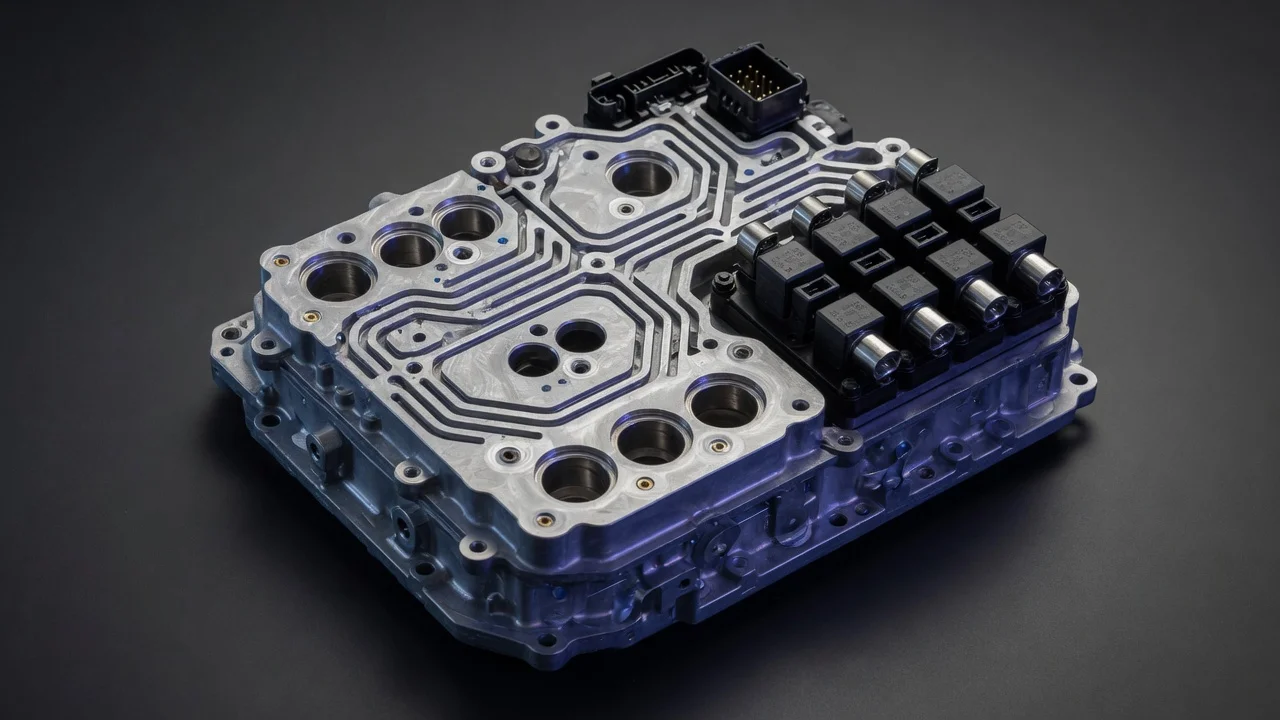
If you are searching for a Nextgen transmission valve body, the part number on a listing matters less than whether it matches the exact transmission in your vehicle. Valve bodies are built for specific transmission families and revisions, and some depend on matching solenoids, software or a control module. This guide explains how to confirm fitment, what affects the choice, and how to avoid replacing a valve body when the real problem lies elsewhere.
The short answer
To find the right Nextgen valve body, start with your transmission, not your vehicle model alone. Identify the transmission type and its specific code from the identification tag on the case, the build data tied to your VIN, or your service records. Then match that against the seller's fitment information. Vehicles of the same model and year can carry different transmissions depending on engine, drivetrain and production date. Because the Nextgen name may appear on parts from different sellers, confirm exactly what is included: a bare valve body, a unit with solenoids installed, or an assembly that also contains the control electronics. Finally, make sure a valve body is actually the right repair. A shifting complaint or a stored code points toward an area of the transmission; it does not prove the valve body has failed.
How a valve body works
The valve body is the hydraulic control center of an automatic transmission. It is a machined casting with a maze of passages, spool valves, springs and check balls that route pressurized fluid to the clutches and bands. When fluid reaches a particular clutch pack, that clutch applies and the transmission selects a gear. In most modern units, electronic solenoids mounted on or in the valve body open and close fluid circuits on commands from the transmission control module, which decides when to shift based on speed, throttle and load.
Problems develop when valve bores wear, valves stick from debris or varnish, separator plate gaskets leak, or solenoids stop responding correctly. The result can be harsh or delayed engagement, flare between gears, slipping, erratic shifts or a default limp mode. The same symptoms, however, can come from low or degraded fluid, worn clutches, a faulty sensor, wiring trouble or a software issue, which is why diagnosis comes before parts.
What changes the answer
Transmission design is the biggest variable. Some transmissions use a valve body with separately replaceable solenoids. Others combine the valve body, solenoids and control module into one integrated or mechatronic assembly, and that kind of part often needs programming or an adaptive relearn with a capable scan tool after installation. A replacement intended for one revision of a transmission may not suit another, even when the castings look alike, because internal passages, valve calibration, connectors or solenoid types can differ between production years.
Fluid specification also matters. Each transmission is designed around a particular fluid, and using the wrong type, or installing a new valve body into contaminated fluid, can undermine the repair. Operating conditions play a role too: a vehicle used for towing or heavy loads, or one with high mileage and an unknown service history, may have wear beyond the valve body. In those cases, a valve body alone might improve shift behavior only partly or temporarily, and a rebuild or replacement transmission becomes one of the realistic repair options.
What the owner can do
Begin by gathering facts. Read and record any diagnostic codes, including pending and history codes, rather than clearing them first. Note exactly when the problem occurs: cold or hot, during specific gear changes, under light or heavy throttle, or after a stop. Check the fluid level and condition using the method specified for your transmission, since some units have no dipstick and require a particular temperature and procedure. A burnt smell, dark color or visible debris is worth reporting to whoever diagnoses the vehicle.
Next, collect identification details: the VIN, the transmission code from the case tag or build data, engine size and drivetrain. Review your service history for previous fluid changes, software updates or transmission work. When you contact a seller, ask them to confirm fitment against that information, and ask what is included, whether new solenoids or gaskets come with the unit, whether programming or a relearn is required, and what the warranty terms and installation requirements are. Keep those answers in writing.
If you are not equipped to remove the pan, handle the internal components and complete any required programming, have a transmission shop perform or at least confirm the diagnosis. Many shops can test solenoids, check line pressure and review live data to separate a valve body fault from a mechanical or electrical one.
Limitations and next step
General guidance cannot confirm that a specific valve body fits your vehicle or that it will cure a given symptom. Transmission designs, revisions and service procedures vary widely, and some repairs depend on software and equipment available only to dealers or specialist shops. Treat any listing's compatibility claim as something to verify against your own transmission code and VIN.
The practical next step is to document your codes, symptoms, fluid condition and transmission identification, then use that information either to confirm fitment with the seller or to get a professional diagnosis. Ordering only after the cause is confirmed is the most reliable way to avoid paying for a part your transmission does not need.