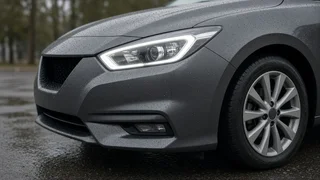
New Nissan Z

A new Nissan sports car immediately raises questions about what the model represents and how it carries forward the automaker’s rear-drive heritage. For US shoppers, the current inquiry often centers on the new Z car rather than a redesigned GT-R, because the Z occupies the accessible two-seat sports coupe segment. Understanding its body configuration, powertrain layout, and model generation helps separate meaningful updates from cosmetic changes. This overview explains the essential identity of the current vehicle and why enthusiasts see it as a direct successor to a familiar formula.
Essential answer
The current Nissan Z is a two-seat, front-engine, rear-wheel-drive sports coupe positioned as the latest generation of the company’s long-running Z lineage. As a new Z car, it deliberately preserves a classic sports car recipe: a driver-focused cockpit, a fixed-roof fastback profile, and a powertrain layout that sends power to the rear axle. This body configuration separates the model from front-drive hot hatches and all-wheel-drive grand tourers, while the seating layout limits the cabin to two occupants and prioritizes luggage space behind the seats rather than a second row.
In the US market, the new Nissan sports car serves as an entry point into rear-drive performance without moving into the higher price territory of a flagship supercar. The vehicle class is best described as a traditional sports coupe, and the model generation represents a focused update rather than an entirely different vehicle concept. That means shoppers considering a Nissan sports car 2025 model year are looking at a platform that maintains a mechanical connection to its predecessor while adopting modern interior technology and revised exterior styling. Buyers should treat the Z as a specialized two-person driving machine, not a practical family coupe or an all-season performance sedan.