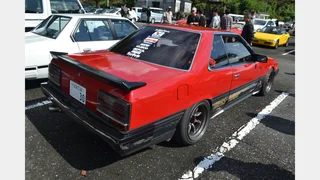
MR2 Turbo intercooler upgrade
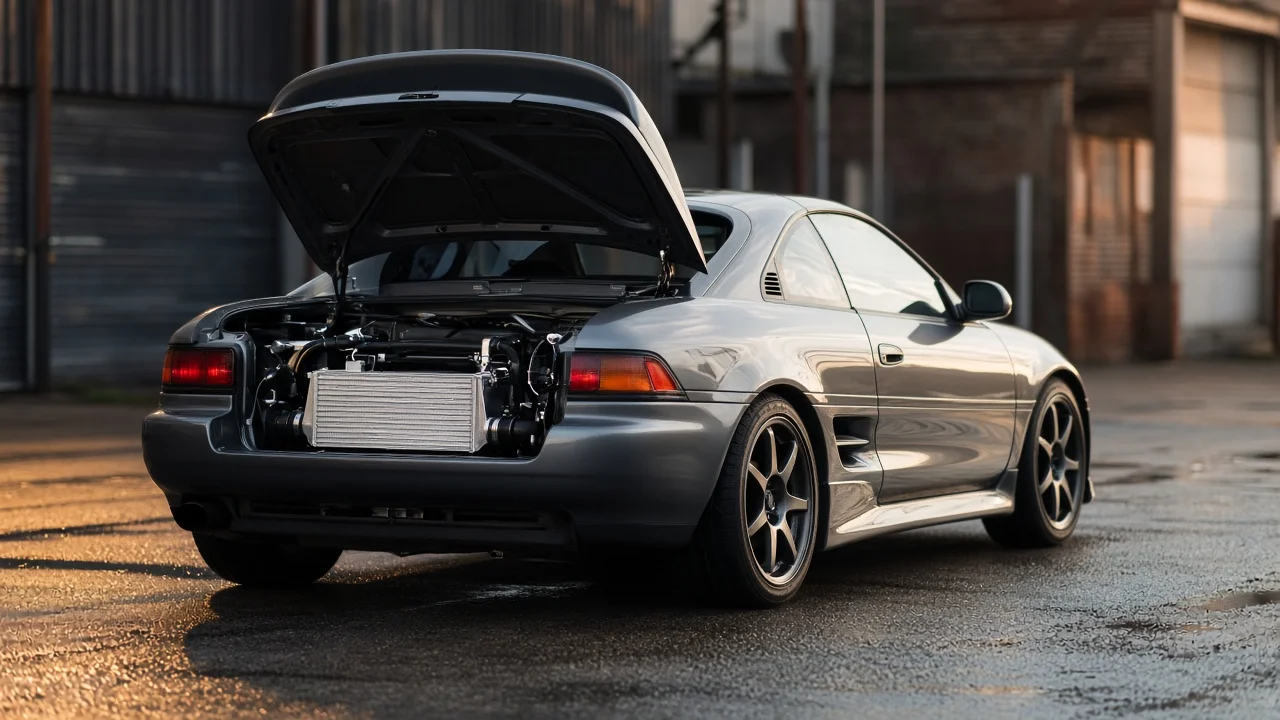
Choosing an MR2 Turbo intercooler upgrade can feel like a maze of inlet and outlet sizes, core depths, and shroud fit. The factory intercooler does its job in stock form, but it becomes a bottleneck once boost pressure and compressor outlet temperatures climb. In this article, we address what an upgrade actually changes, when it makes sense, and which practical points matter before you buy an intercooler or a complete MR2 turbo intercooler kit. The goal is to help you evaluate options without getting lost in marketing claims.
The direct answer
The direct answer is that an upgraded MR2 turbo intercooler is worth considering when intake air temperatures rise during repeated pulls, sustained high-load driving, or after raising boost pressure. The stock unit sits in a restricted location and can heat-soak, which reduces charge-air density and makes the engine more knock-prone. A larger core, better end-tank design, or repositioned mount can lower charge-air temperature and reduce pressure loss across the system, but the benefit depends on how the car is driven.
Before purchasing an MR2 turbo intercooler kit, confirm the expected operating conditions. A street-driven car that sees occasional full throttle may only need a clean stock intercooler and duct sealing, while a track or canyon car can justify a thicker bar-and-plate core or trunk-mount conversion. Also check hose connection routing, shroud clearance, and whether existing aftermarket pipes will reuse the stock mounting points. Fitment and airflow path matter as much as the advertised core size.