Motorcycle Coolant: Specifications, Safe Checks, and Change Timing
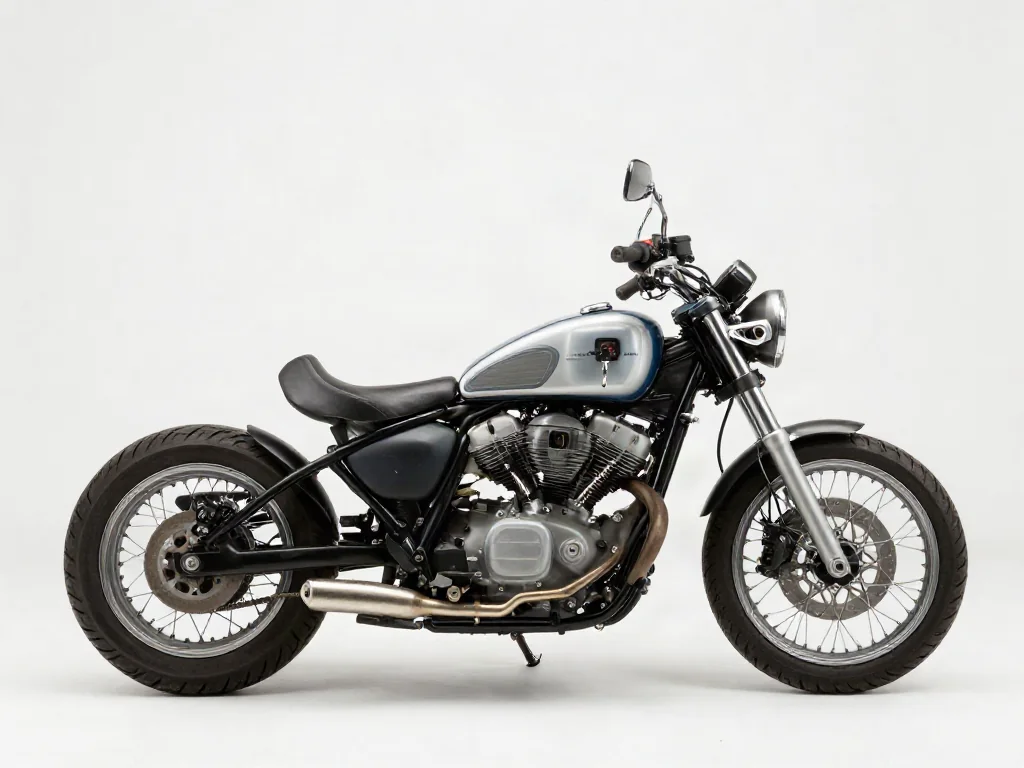
Choosing coolant for a motorcycle is less about grabbing any bottle labeled for bikes and more about matching the fluid to what the manufacturer specifies. In a liquid-cooled engine, motorcycle coolant manages heat, protects internal metals, and resists freezing. This guide explains how to find the correct coolant specification and why silicate-free requirements matter. It also covers how to check the level safely and when replacement is due.
Identify the Coolant Specification Your Motorcycle Requires
This guidance applies only to liquid-cooled motorcycles. Air-cooled and oil-cooled engines rely on fins, airflow, and engine oil instead of a circulating coolant loop. In a liquid-cooled engine, coolant absorbs heat from the cylinder and head, carries it to the radiator, and releases it into the passing air. The same fluid contains corrosion inhibitors that protect aluminum, seals, and water pump parts. Its ethylene glycol or similar base lowers the freezing point, so the engine is protected during cold storage.
The owner's manual is the authoritative source. Look up your exact model and year, because requirements can change between generations of the same nameplate. Then find the maintenance or specifications section that describes coolant type, concentration, and capacity. Packaging that says coolant for motorcycles, or moto coolant, does not prove by itself that the product is suitable. A product is right only when its labeled properties meet the stated requirement. Compare the bottle's claims against the manual rather than trusting the marketing category or a picture of a bike on the label.
Understand What Belongs in the Radiator and Reservoir
Riders often say motorcycle radiator fluid, but the term almost always means engine coolant, not plain water or an additive. The radiator is the heat exchanger. Coolant flows through its thin tubes and fins while airflow removes heat, helped by a fan at low speed. The expansion reservoir, sometimes called the overflow tank, takes in coolant pushed out as the fluid warms and expands. It lets that coolant return as the system cools, which keeps the radiator full without trapping excessive pressure.
Fill and inspection points vary widely. Some bikes have a reservoir visible behind a side panel, while others hide it under the fuel tank or bodywork. The radiator cap may also be separate from the reservoir cap. Use the manual to identify which container carries the level marks and which openings are meant for service. Don't judge chemistry by color, either. Dyes differ between brands, and identical colors can hide different formulations. Faded or tinted fluid does not reveal condition or compatibility.
Check Silicate Restrictions and Coolant Chemistry
Some motorcycle manufacturers call for silicate-free coolant, because silicate additives may contribute to deposits or seal wear in certain designs. Check your motorcycle's documentation to confirm whether it has this requirement instead of assuming it from what another brand uses. A silicate-free label is also only one attribute. A coolant can avoid silicates and still differ from the manufacturer's specification in its inhibitor package, base, or concentration. It must match every stated requirement, not just one.
Corrosion inhibitors are what separate a proper coolant from simple glycol and water. They form protective films or neutralize acids, so aluminum radiators, cylinder passages, gaskets, and pump parts aren't attacked from inside. Different inhibitor chemistries are designed for different materials, and mixing unknown formulations can dilute or interfere with that protection. You may not be able to tell what is already in the system, or a previous owner may have topped it up with whatever was at hand. In either case, have a technician identify the fluid or plan a complete replacement with the specified product.
Read Premix and Concentrate Instructions Before Buying
Coolant is sold in two main forms. Premixed coolant is ready to use and is already diluted to the concentration printed on the label, so it goes in as supplied. Coolant concentrate must be mixed with water before use, and pouring it in undiluted leaves the system with the wrong properties. Before buying, read the label to confirm which type it is. Then make sure its concentration, or the mix you will make, matches the manufacturer's figure, including any requirement for distilled or deionized water.
More antifreeze is not automatically better. Glycol carries heat less effectively than water. An overly strong mix can reduce cooling efficiency while adding freeze protection you may not need, and very high concentrations can actually raise the freezing point again. Follow the specified ratio rather than a universal rule. Riders heading to track days have one more thing to check: some events restrict glycol-based coolants because spills make the racing surface slippery. Review the organizer's fluid rules alongside the motorcycle's technical requirements before changing anything.
Check Coolant Level Safely and Recognize Warning Signs
A routine coolant check on a motorcycle is visual and should be done only when the engine is fully cold, ideally after the bike has sat for several hours. Position the motorcycle as the manual specifies, whether upright or on its side stand, because the angle changes the reading. Compare the reservoir level with its minimum and maximum marks without opening anything. Never remove a radiator cap or any pressurized cap on a hot system. Hot coolant under pressure can erupt and cause serious burns.
Don't treat a low level as a routine top-off. Coolant in a sealed system should not keep disappearing, so repeated loss can point to several causes, from an external leak to an internal fault. Wetness around hoses, the water pump, or the radiator is a reason to investigate, and so are a temperature warning or steam. If the gauge climbs or steam appears, stop riding as soon as it is safe and switch off the engine. Then arrange professional testing instead of continuing to ride and risking engine damage.
Use the Correct Replacement Schedule and Handle Waste Safely
Replacement timing should come from the motorcycle's documented maintenance schedule, which may list a time interval, a mileage interval, or both. Follow whatever the manual specifies for your model rather than a figure borrowed from another bike or a car. Coolant can look clean and sit at the correct level while its corrosion inhibitors are used up, so appearance alone does not prove it still protects. If the service history is unknown, the fluid looks contaminated, or the mixture is uncertain, a professional assessment or a fresh fill is a sensible starting point.
Replacing coolant may require a model-specific procedure to remove air. Trapped air pockets can cause hot spots and misleading level readings, so follow the service manual or leave this step to a technician. Treat both new and used coolant as toxic. Ethylene glycol tastes sweet, which makes spills especially dangerous to children and animals. Wipe up drips immediately, and keep containers sealed and out of reach. Collect used coolant in a closed container and take it to an approved waste collection point instead of pouring it down drains or onto the ground.