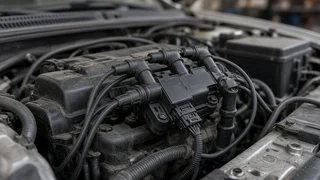
Motorcraft direct ignition coil
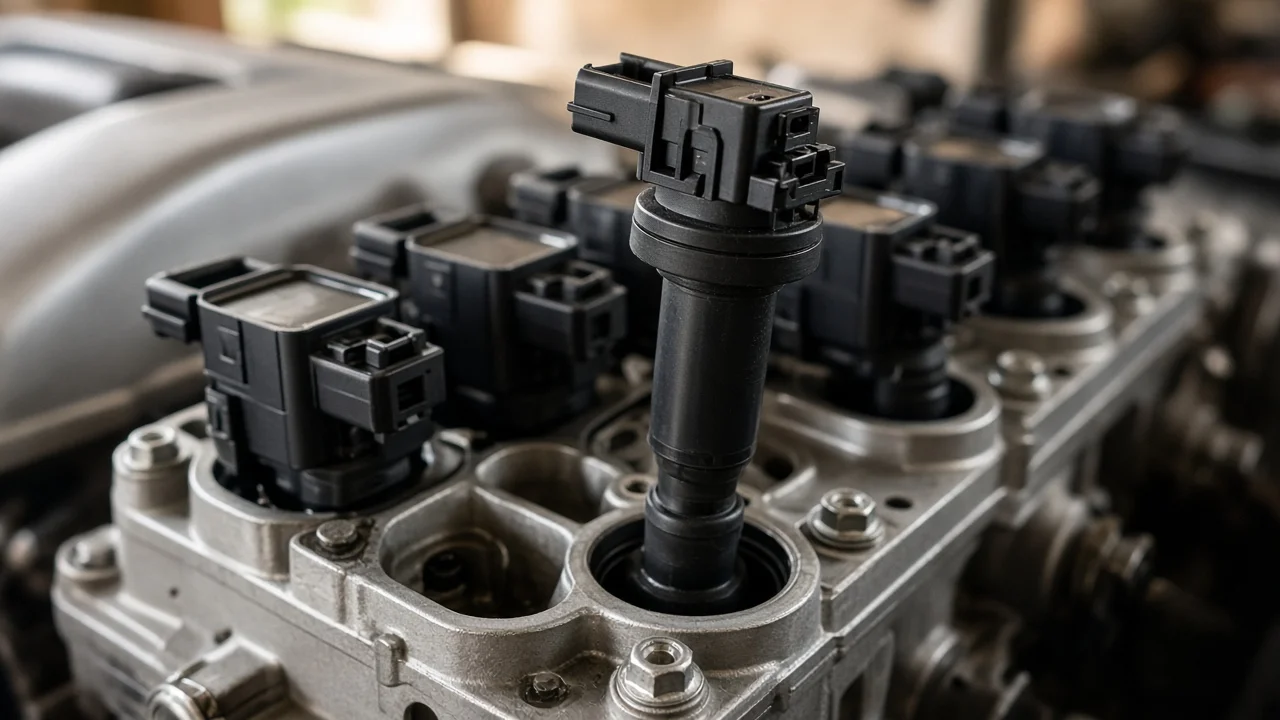
Choosing a Motorcraft direct ignition coil usually begins with a misfire, rough idle, or a hard-start complaint that suggests weak spark under load. The direct ignition design places each coil close to the plug, reducing long plug-wire losses. Before purchase, it helps to rule out simpler voltage and control issues. A low battery state of charge, slow cranking speed, a failing ignition switch, or a fuel delivery fault can mimic a bad coil. Diagnostic checks and starter circuit observations matter because a fault code only points the investigation.
The direct answer
The immediate answer is that a Motorcraft coil is a sensible replacement when the evidence points to a coil that no longer delivers consistent secondary voltage. Direct ignition coils sit near the spark plug, so they produce relatively short, efficient spark paths. If the engine misfires under acceleration and the assembly shows a swollen case, a burn mark, or a cracked connector body, those observations support replacement. Without those signs, do not treat the coil as the confirmed failure.
Confirm the supporting conditions before spending money. Ensure the battery state of charge is healthy, because a weak battery lowers cranking speed and can weaken spark output across the system. Also observe whether the ignition switch is allowing a clean start signal and whether fuel delivery remains steady. Manufacturer-dependent fault codes require vehicle-specific confirmation, because the same code may have different meanings across Ford, Lincoln, and Mercury models. When the symptom follows one cylinder, swapping coils between cylinders may help localize the fault.