Moroso Tire Pressure Gauge
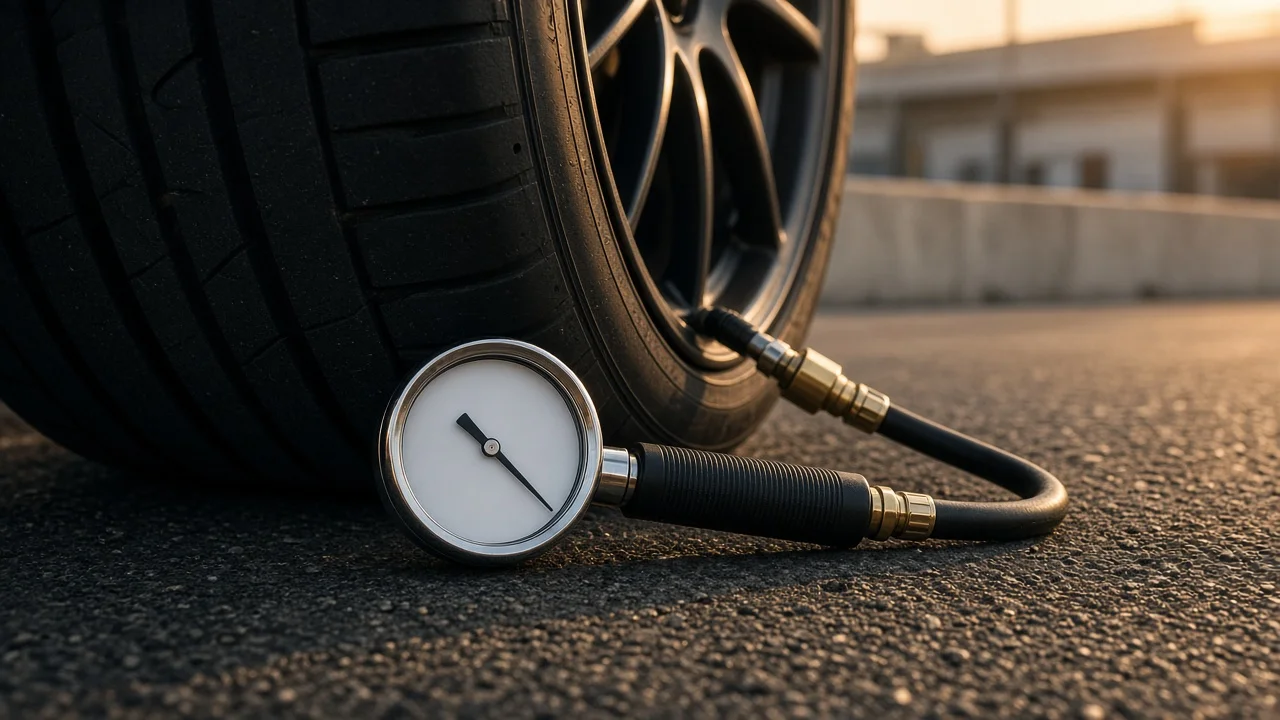
Choosing a Moroso tire pressure gauge means matching the tool to the tires you actually run and the pressures you need to read. Racers and performance drivers often check pressure in the pits when heat, load, and small changes in inflation matter. The right gauge should give a stable, repeatable reading at the valve stem so you can compare it with the vehicle specification. Considering measurement range, accuracy, calibration, connection fit, and displayed units helps you avoid buying a gauge that reads well on paper but is awkward or misleading at the wheel.
The direct answer
The immediate answer is that a Moroso tire pressure gauge can be a useful purchase when you need a purpose-built analog pressure tool for performance or competition use, but its value depends on the range and scale matching your tire pressures. For most passenger cars running roughly 30 to 40 psi, a gauge with a mid-scale reading near that range is easier to interpret. For drag radial or higher-pressure applications, a wider measurement range may be required, so the needle should not sit at the extreme low or high end of the dial where readability and accuracy often suffer.
Before buying, check the connection style at the valve stem. Some gauges use a straight chuck that is simple on open wheels, while angled or swivel connections are easier to reach stems tucked behind calipers or bodywork. A firm, short press with minimal leakage gives the most repeatable number. Because no single gauge is best for every wheel, the sensible buying step is to confirm the range, units, and valve access before purchase rather than assuming any performance-brand tool will suit your specific setup.