Moog Wheel Bearing Hub Review, Warranty and Moog vs Timken
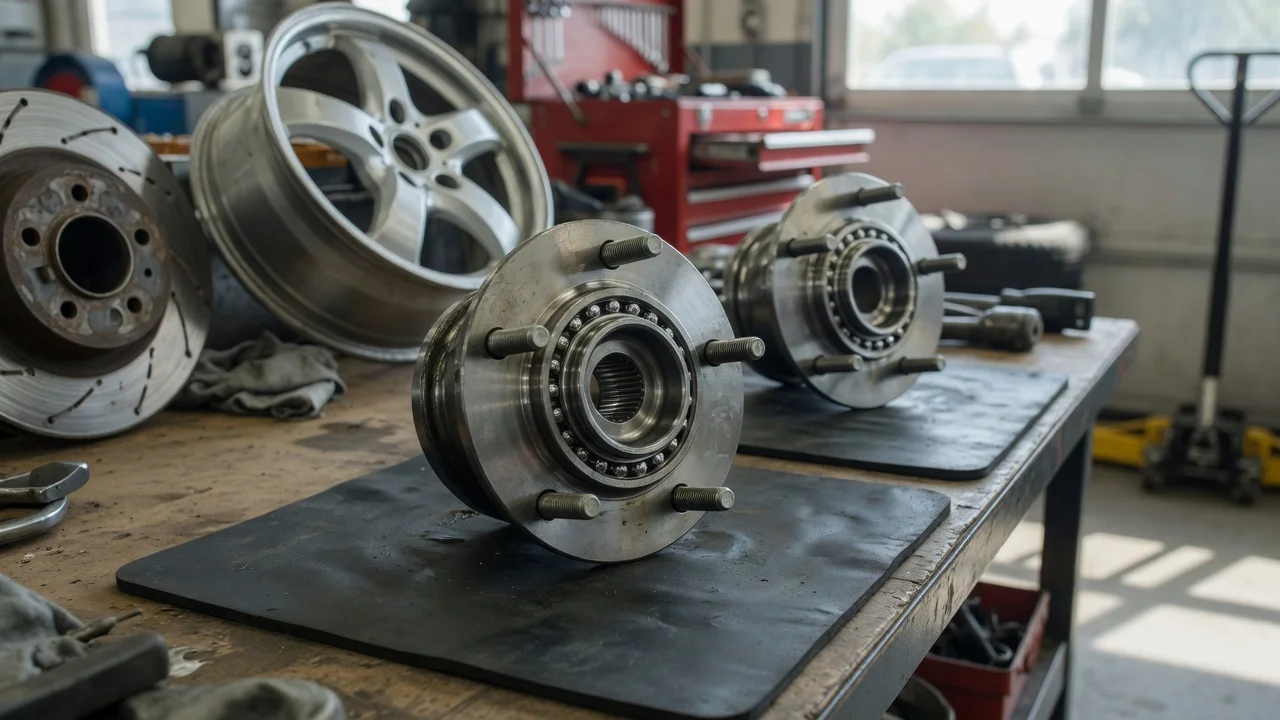
Quick answer: Moog is a solid mid-tier replacement, while Timken is generally the premium benchmark
For most drivers replacing a worn hub assembly, Moog offers dependable quality, good parts availability and a clear limited warranty. Timken is usually viewed as the higher-end option with more consistent original-equipment-grade bearings and longer service life in demanding use. Neither is a bad choice, but the right pick depends on how long you plan to keep the vehicle, the conditions you drive in and your budget. A badly worn hub should be replaced promptly because it affects steering, braking stability and wheel security.
What a wheel bearing hub assembly does
A wheel bearing hub assembly is a sealed unit that carries the wheel and allows it to spin with minimal friction. On many modern vehicles, the bearing and hub are combined into one bolt-on assembly with an integrated wheel speed sensor or tone ring for the anti-lock brake system. This design replaces older serviceable bearings that required pressing and greasing. Common failure symptoms include a growling or humming noise that changes with vehicle speed, looseness in the wheel, uneven brake pad wear or an illuminated ABS warning light.
Moog wheel bearing hub assembly reviews
Moog is best known as a steering and suspension brand, and its hub assemblies are built to fit that same repair-focused market. Reviews from installers and home mechanics tend to describe Moog hubs as a reliable direct-fit option at a moderate price. The most frequent positive points are correct fitment, included mounting hardware where applicable and acceptable noise-free performance after installation.
The most common criticism is that Moog hubs may not last as long as premium brands when subjected to frequent heavy loads, rough roads or repeated exposure to salt and moisture. Some reviews note a shorter service interval compared with the original hub, especially on trucks, vans and vehicles used for towing. Fitment complaints are uncommon but can occur when a buyer selects the wrong submodel or axle position, so the exact part number must be checked against the vehicle identification details.
Moog wheel bearing hub warranty
Moog hub assemblies are typically covered by a limited warranty against defects in materials and workmanship. The standard coverage is often a three-year or limited mileage term, though the exact duration varies by product line and region. The warranty applies to the part itself and does not cover labor, towing, rental vehicles or damage caused by improper installation, impact, corrosion or use outside the intended application.
Because hub assemblies are wear items, normal bearing wear is not considered a defect unless the unit fails prematurely under normal operating conditions. Buyers should keep the purchase receipt and confirm the current warranty terms for the specific part number before installation. Some sellers may offer extended coverage or return protection, but that is separate from the manufacturer warranty.
Moog vs Timken wheel bearing hub assembly
Timken has a longstanding reputation as a bearing specialist and often supplies components to vehicle manufacturers. Its hub assemblies tend to use tighter internal tolerances, premium seals and higher-grade grease, which helps them resist contamination and maintain smooth operation longer. Timken units are frequently recommended for vehicles that will be kept beyond a few more years or used in demanding conditions such as frequent highway driving, towing or cold-weather regions with road salt.
Moog is usually the value-oriented alternative. It is widely available, generally less expensive and perfectly suitable for a vehicle that needs a safe and reliable repair without the highest possible service life. The main tradeoff is longevity: a Moog hub can be expected to perform well in normal driving, but it may wear sooner than a Timken hub under hard use. Both brands manufacture hub assemblies in a range of part numbers covering front and rear axles, and both require clean mating surfaces and correct torque specifications during installation.
Brand | Typical position | Strengths | Common tradeoff; Moog | Mid-tier replacement | Competitive price, broad availability, direct fitment | May wear sooner under heavy loads or corrosion; Timken | Premium bearing specialist | Longer service life, strong sealing, tighter tolerances | Higher purchase price
Which one should you choose?
If the vehicle is a daily driver that you plan to keep only a short time, or if budget is the main concern, Moog is a reasonable choice. If you intend to keep the vehicle for many years, tow regularly, drive on rough or salty roads, or simply want the longest possible interval between hub replacements, the extra cost of Timken is often justified.
A final note: wheel bearing hubs should be replaced in axle pairs when both sides have similar mileage, because the opposite side is often near the end of its service life. After replacement, follow the torque specification for the axle nut and any chassis bolts. Incorrect torque can ruin a new hub quickly, regardless of brand.
Evidence gaps: exact warranty periods and mileage limits for specific Moog hub part numbers vary by product line and market, and user review data is anecdotal rather than from a controlled durability test. No independent failure-rate measurements for Moog versus Timken were available in the supplied material.