Model T Ford driving controls
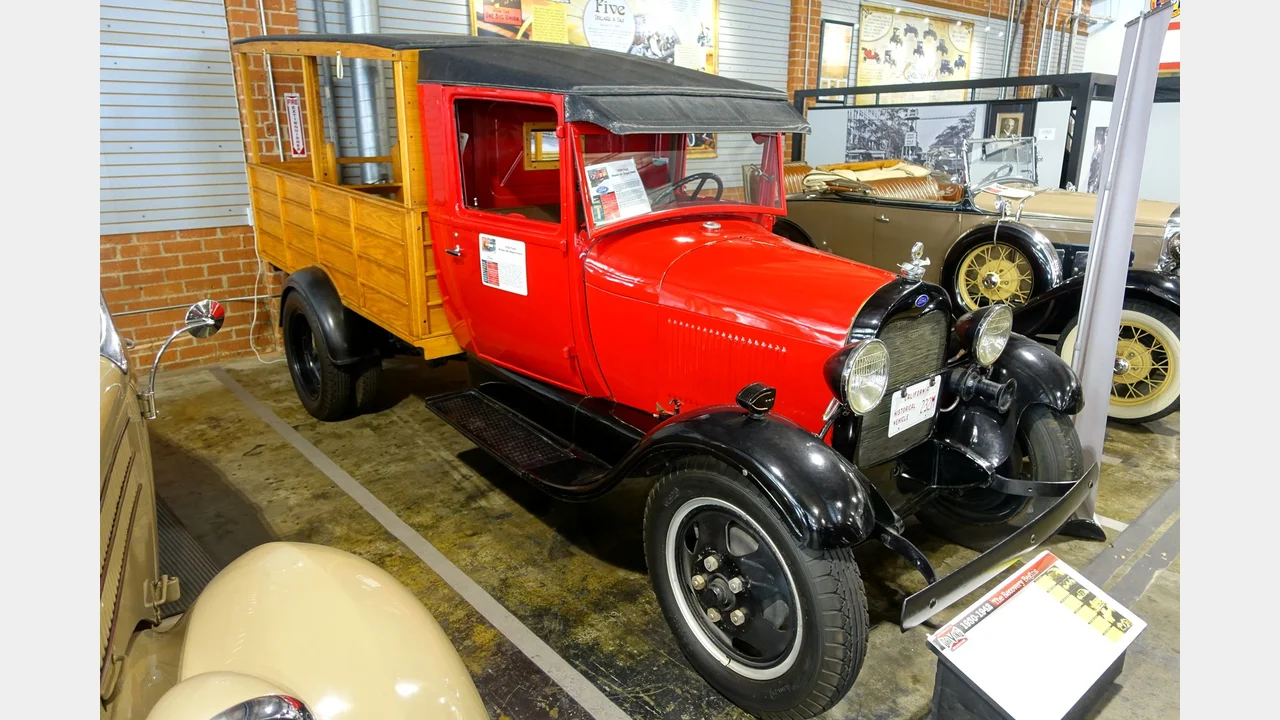
The Ford Model T driving controls can feel unfamiliar to modern motorists because they order the car’s actions through a hand-operated throttle, a left pedal that selects low or high gear, and a pedal-operated reverse. Understanding these controls is less about memorizing a layout and more about grasping a mechanical sequence where spark timing, fuel supply, and transmission bands work together. This overview explains the subject’s scope and the fundamental differences that shaped early American driving.
Essential answer
The core answer is that Model T Ford controls operated through a coordinated set of levers, pedals, and switches rather than the modern three-pedal manual or automatic arrangement. The steering column carried the throttle lever and the spark advance lever, while the floor mounted three pedals that performed clutch, reverse, and brake functions in a pattern unlike any late-model vehicle. The right-hand lever controlled the parking brake and transmission band position. These controls reflect an early powertrain configuration and body style that require a driver to manage engine speed, timing, and gear selection as separate manual tasks.
Because the Model T used a planetary transmission, the pedal that a modern driver expects to be the clutch instead engaged low gear when pressed and high gear when released. The middle pedal worked reverse, and the right pedal operated the transmission brake. Before starting, the hand brake lever had to be pulled back to the neutral position; pushing it forward while the engine ran allowed the car to move under the foot controls. This direct mechanical arrangement makes the control layout a defining feature of the car and a frequent point of confusion for anyone comparing it with a later model generation.