Model of a Car Meaning: What "Model" Refers to and How It Differs From Make, Trim and Year
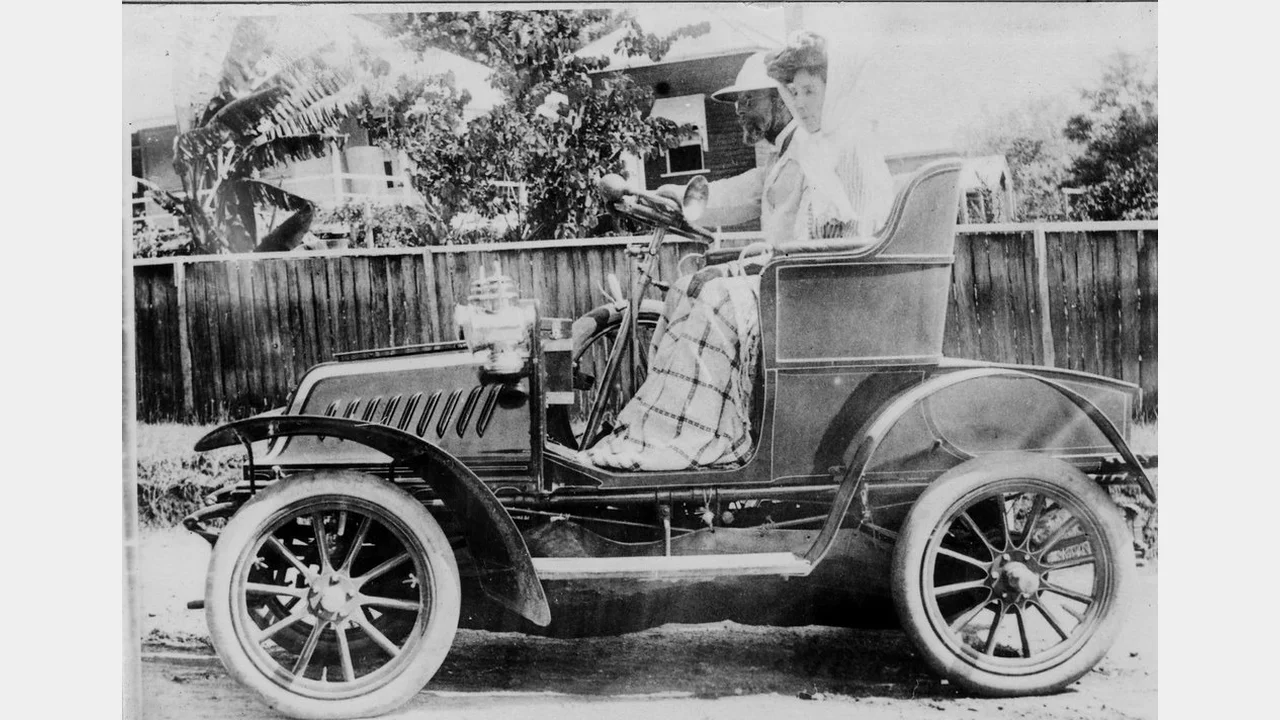
The model of a car is the specific product name a manufacturer gives to a line of vehicles it builds and sells. If the make is the brand, the model is the particular car within that brand's lineup. In "Honda Civic," Honda is the make and Civic is the model. In "Ford Mustang," Ford is the make and Mustang is the model.
What Car Model Means in Plain Terms
A car model is a named vehicle line that shares a core design, purpose and market position. Each model is built for a specific type of buyer, such as a commuter, a family or a driving enthusiast. A manufacturer may sell a small hatchback, a midsize sedan, a pickup and an SUV, and each one usually carries its own model name.
The model name stays the same across many years of production, even as the car underneath changes. That is why the model name alone rarely identifies one exact vehicle. To pin down a specific car, people combine the model with other details: the model year, the generation, the body style, the trim level and the powertrain.
Why the Model Matters
The model is the main reference point for almost everything connected to owning a car. It determines which replacement parts fit, which maintenance schedule applies, how insurers and lenders classify the vehicle, and how buyers compare used-car prices. When you order parts, book service, get an insurance quote or fill out registration paperwork, you will almost always be asked for the year, make and model together.
Because one model can cover many years and versions, knowing only the model name is often not enough for parts or service. A brake component for one generation of a model may not fit another, and an engine part for one powertrain may not fit a different engine offered in the same model.
How Model Relates to Make, Year, Generation and Trim
Several terms describe a vehicle at different levels of detail. They are often mixed up in everyday conversation, but each one answers a different question.
Term | What it identifies | Example of the idea; Make | The brand or manufacturer | Toyota, Honda, Ford; Model | The named vehicle line within the brand | Corolla, Civic, Mustang; Model year | The year the manufacturer assigns to that version for sale and registration | A car sold as a given model year, which may differ from its build date; Model generation | A major redesign period of the same model, spanning several years | One redesigned version of a model replacing the previous one; Body style | The physical shape and door layout | Sedan, hatchback, coupe, wagon; Trim level | The equipment and feature package within a model | Base, mid-level and top versions with different features; Powertrain variant | The engine, transmission and drive system combination | Gasoline, hybrid or electric versions; front- or all-wheel drive; Market specification | The version built for a particular country or region | A US-market car versus a version sold elsewhere
Make vs. Model
The make is the company or brand; the model is the product. One make sells many models, but each model belongs to one make. Some larger automakers own several brands, and in that case the brand on the car is usually treated as the make.
Model vs. Model Year
The model year is not necessarily the calendar year the car was built. Manufacturers often begin selling the next model year before the current calendar year ends. The model year is the one that appears on the title and registration and is the year to use when looking up parts, recalls or values.
Model vs. Model Generation
A generation is a period during which a model keeps the same basic design. When a manufacturer fully redesigns a model, a new generation begins, often with a different platform, body, interior and engine options, while the model name stays the same. Within one generation, a mid-cycle update (often called a facelift or refresh) may change styling and features without a complete redesign. Two cars with the same model name but from different generations can be very different vehicles.
Model vs. Body Style
Some models are offered in more than one body style. A compact model might be sold as both a sedan and a hatchback, and some lines have also included a coupe. A sedan has a separate trunk, a hatchback has a rear door that lifts to open the cargo area, and a coupe is typically a two-door car with a sportier roofline. Some manufacturers give each body style its own model name instead of treating it as a variant.
Model vs. Trim Level
Trim levels are versions of the same model with different equipment. They usually share the same basic body but differ in features such as wheels, upholstery, infotainment, driver-assistance systems and sometimes engine choice. Trim names often appear as letters or words after the model name on the rear badge. The trim affects price and features, but it does not change which model the car is.
Model vs. Powertrain Variant
A single model may be offered with several powertrains, such as different gasoline engines, a hybrid system or an all-electric drive, along with different transmissions and front-, rear- or all-wheel drive. These variants share the model name but can differ significantly in performance, fuel economy, maintenance needs and parts.
Model vs. Market Specification
The same model name can be used in different countries for cars with different engines, equipment, safety features or even different designs. A model sold in the US may not match a version with the same name sold elsewhere. The reverse also happens: one car may be sold under different model names in different markets. When researching a vehicle, it helps to confirm that the information applies to the US-market version.
How to Find Your Car's Model
Check the badges on the trunk lid or rear hatch, where the model name and often the trim are displayed. Look at your vehicle registration, title or insurance card, which list the year, make and model. Read the owner's manual, which is written for a specific model and usually a specific model year. Use the Vehicle Identification Number (VIN), the 17-character code found on the driver's side of the dashboard near the windshield and on the driver's door jamb. A VIN decoder can identify the make, model, model year and often the engine and plant of manufacture.
Badges can be removed or swapped, so official documents and the VIN are more reliable than the badge alone when exact identification matters, such as for parts orders or a used-car purchase.
Putting It Together
The model of a car is its product name within a brand's lineup, the part of "year, make and model" that tells you which vehicle line it belongs to. On its own, the model narrows things down to a family of cars. Adding the model year, generation, body style, trim level, powertrain and market specification turns that general name into a description of one specific vehicle.