Mitsubishi rally cars
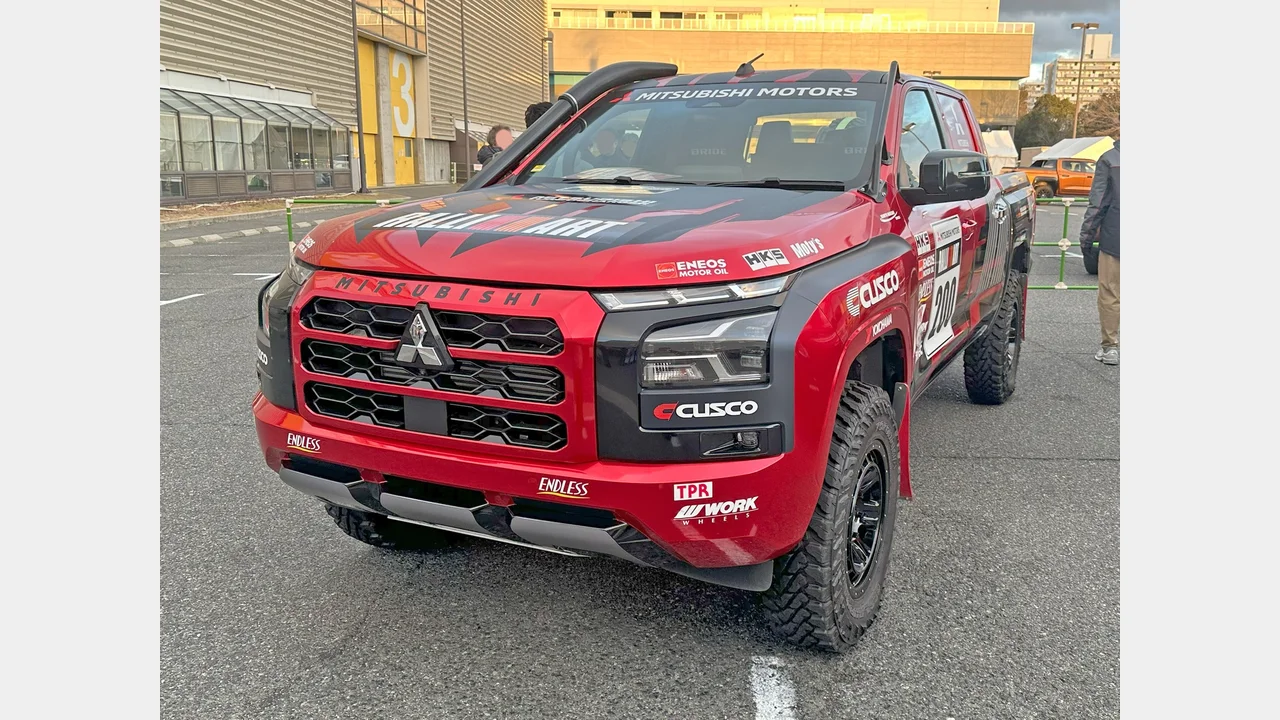
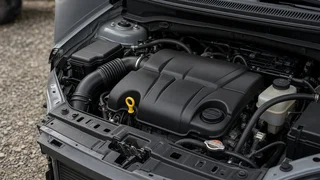
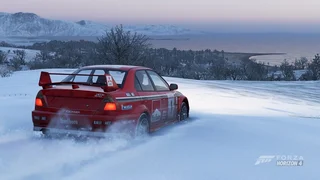
The Mitsubishi rally car question usually leads to one machine: the Lancer Evolution, often called the Evo. Built for homologation, it translated all-wheel-drive competition hardware into a road-legal platform that privateers and factory teams campaigned on gravel, tarmac, and snow. Enthusiasts searching for a Mitsubishi Evo rally car are typically looking at older model generations and market specifications, where turbocharged power and active driveline behavior define the experience. The vehicle’s reputation rests on how those systems work together under load, not on a single part or one famous result.
Essential answer
A Mitsubishi rally car is best understood as a competition-oriented sedan derived from the Lancer platform and sold in several model generations. The Evo variants are the core of that identity because their all-wheel-drive powertrain configuration, turbocharged engine, and stiffened body style were developed to meet rally rules. Buyers and researchers should separate a genuine prepared stage car from a high-performance road trim level that carries the same styling and drivetrain philosophy but remains intended for street use.
The vehicle’s character comes from its response to changing grip. A center differential and electronically controlled torque split allow a driver to rotate the car with throttle or settle it with lift-off, which is why the platform became a benchmark. When comparing examples, the relevant meaning of each query shifts with market specification and model year, since later generations added more electronic control while earlier cars relied on mechanical differentials and a rawer chassis balance.