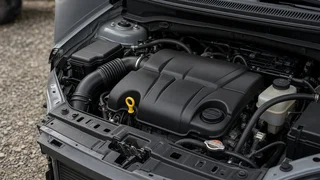
Mitsubishi 4M40 Timing Chain Replacement
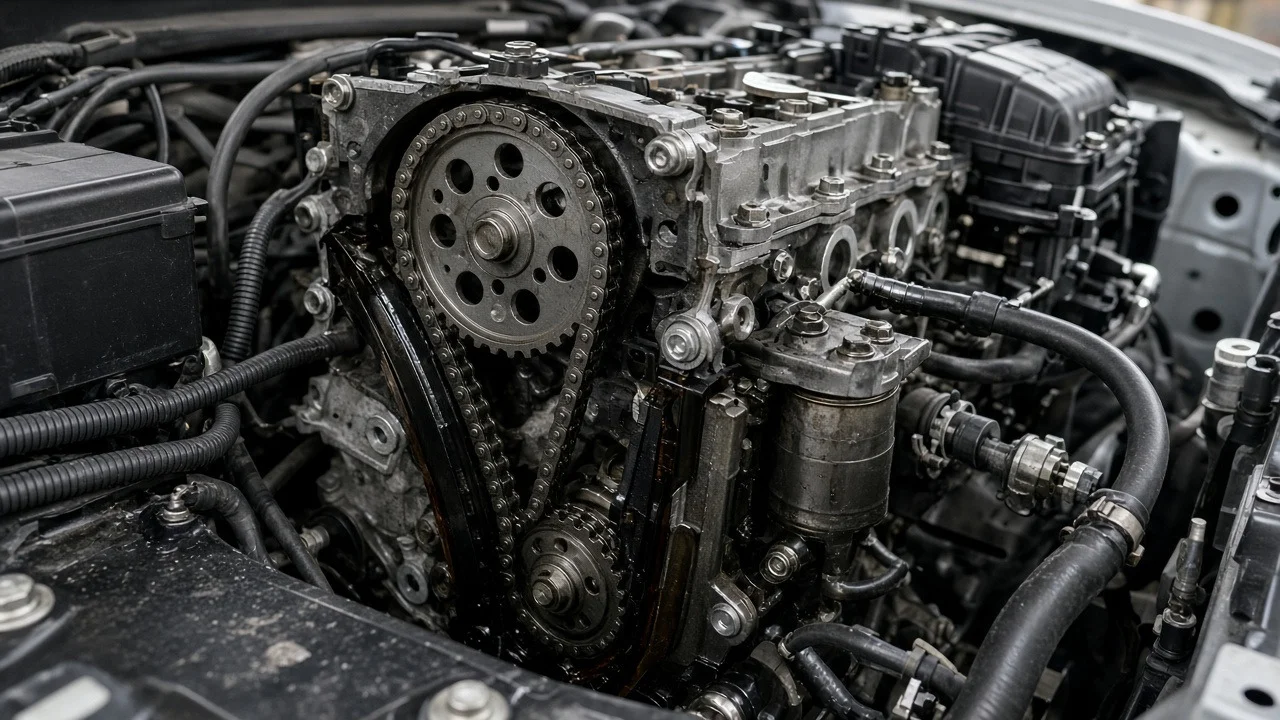
A timing chain concern on a Mitsubishi 4M40 diesel engine raises immediate questions about wear, noise, and whether replacement is needed before a failure leaves the vehicle stranded. The 4M40 is an overhead-camshaft diesel configuration, so the chain also coordinates valve events with fuel delivery and can produce distinctive symptoms as clearances increase. Understanding engine configuration, service history, and specific symptom conditions helps distinguish normal operating sounds from wear that has progressed enough to justify labor-intensive service. Diagnostic codes and inspection findings add useful evidence, but they must be read alongside manufacturer specifications rather than treated as a standalone proof of chain failure.
Essential answer
The essential answer is that 4M40 engine timing chain replacement involves removing worn chain components, guides, tensioners, and related hardware before installing new parts in the correct relationship between the crankshaft and camshaft. It is not a routine belt-style interval service on most versions of this engine; replacement is typically prompted by observed wear, noise, or timing-related problems. Because the chain lives inside the timing cover and operates in engine oil, a diagnosis should separate actual chain elongation or tensioner weakness from other issues such as injector noise, accessory drive problems, or low oil pressure that affects chain control.
Service history matters because an engine with consistent oil changes may wear its chain components differently from one with neglected lubrication. Inspection through the valve cover or oil filler area can sometimes reveal visible chain slack, but the most useful confirmation comes from a repair manual procedure that checks chain deflection, guide condition, and tensioner travel against manufacturer specifications. A stored diagnostic code for camshaft or crankshaft correlation may support a timing concern, yet it does not prove the chain itself has stretched. Wiring, sensors, and a jumped chain can produce similar faults, so vehicle-specific confirmation is required before committing to replacement.