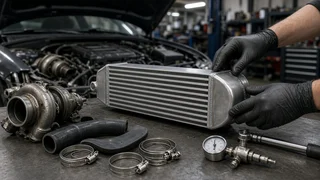
Mitsubishi 4D56 Turbo Intercooler
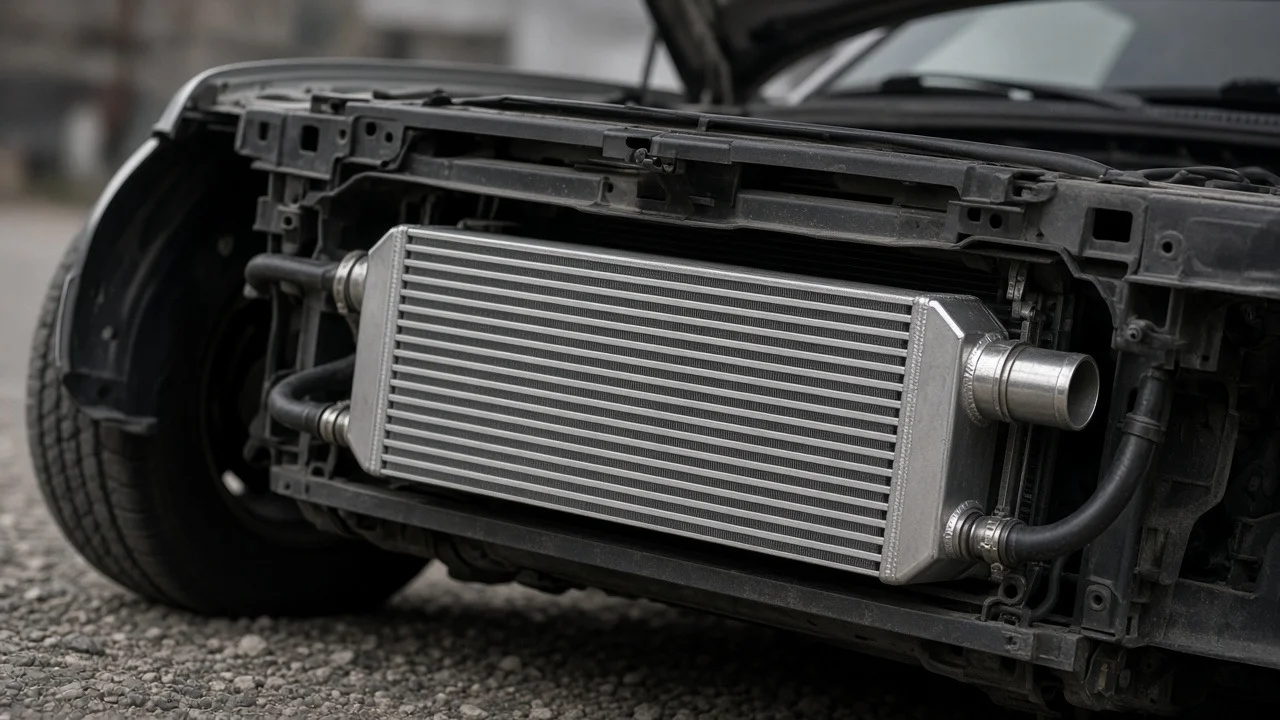
A Mitsubishi 4D56 turbo intercooler engine changes how a diesel breathes under load. Compressing intake air in the turbocharger raises boost pressure, but compression also creates heat. The intercooler cools this charge before it reaches the cylinders, reducing charge-air temperature and helping the engine produce useful work without excessive thermal stress. For readers researching this setup, the key distinction is between a turbocharged 4D56 and one fitted with both a turbo and an intercooler. That difference affects throttle response, sustained highway performance, and how carefully intake plumbing must be maintained.
Essential answer
The Mitsubishi 4D56 is a four-cylinder diesel engine family used in light trucks and SUVs. A turbo intercooler version pairs an exhaust-driven turbocharger with a charge-air cooler mounted between the compressor outlet and the intake manifold. The intercooler removes some of the heat created when the turbo compresses intake air. Cooler air is denser, so the cylinders receive more oxygen per stroke, which generally supports stronger combustion than a non-intercooled turbo setup at the same pressure.
The intercooler also helps control intake temperatures during extended climbs or towing. Without it, repeated boost can raise the air entering the engine enough to increase thermal load and reduce charge density. A hose connection or intercooler leak can create pressure loss, causing a drop in power and sometimes visible smoke. Oil contamination inside the intake tract is also a useful clue, because it suggests crankcase vapor or turbo seal seepage has entered the airflow path before the intercooler.