Choosing a Turbo Heat Shield for a MINI R56
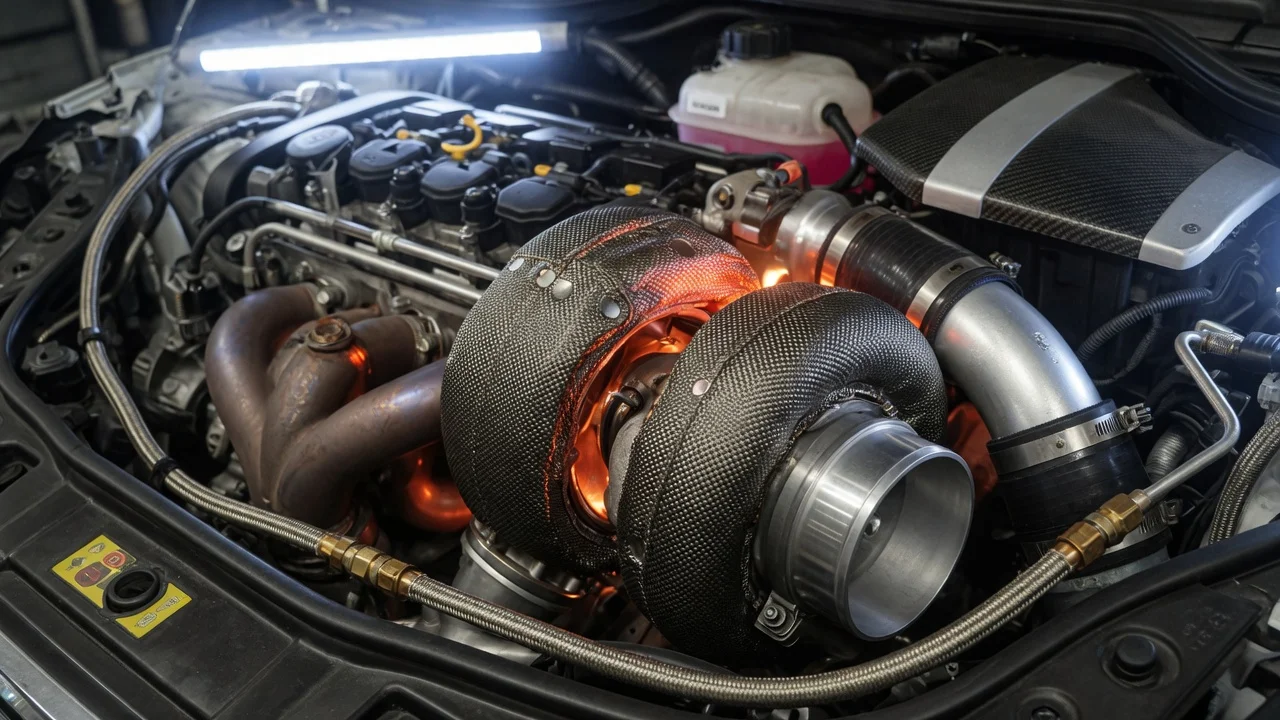
On a MINI Cooper S or John Cooper Works from the R56 generation, the turbocharger sits close to wiring, coolant hoses, plastic trim and the leak-prone valve cover area, so the heat shield around it does real work. Choosing a replacement turbo heat shield for a MINI R56 starts with knowing why you need one, which engine your car has and what a shield can and cannot fix. This guide covers fitment, materials, ownership costs and a short checklist so you buy the right part once.
Define the job the shield must do
Owners usually start looking for an R56 turbo heat shield for one of three reasons: the original shield rattles, it is cracked or missing after earlier repairs, or they want more protection after changing other parts. Each reason points to a different purchase. A rattle at idle or over bumps is a symptom report, not a verified failure. On these engines similar noises can come from a loose downpipe bracket, a worn exhaust hanger or the timing chain tensioner. Before ordering anything, have the area inspected with the engine cold and confirm that the shield itself moves, that a fastener is missing, or that the metal has split around a mounting tab.
Be clear about practical constraints as well. A daily driver that has only lost a bolt may need nothing more than correct hardware. A car with a broken shield needs a complete replacement that matches the original shape. A car with a tuned engine or an aftermarket turbo may need a different solution, because the factory part may no longer line up. Service history matters here: previous turbo, manifold or oil feed line work often explains bent or missing shields and damaged mounting threads.
Check compatibility by engine and model year
Only turbocharged R56 models use this part. The base Cooper is naturally aspirated, so turbo shield listings do not apply to it. Cooper S and John Cooper Works cars from roughly the 2007 to 2010 model years generally use the N14 engine, while later cars generally use the N18. The two engines differ in turbo, manifold and surrounding hardware, so a part described only as fitting the R56 Cooper S may suit just one of them. The changeover followed production dates rather than a clean calendar break, so confirm the engine code from the car or its build data instead of assuming it from the model year.
The most reliable route is to find the part number listed for your VIN in the manufacturer's parts catalog, then compare any aftermarket option against that number and its photos. Check the mounting points, bolt sizes, the shape around the turbo outlet and the oil and coolant lines, and whether the listing includes bolts, washers or spacers. Listings that cover the R55, R56 and R57 together may be correct because those bodies share engines, but the engine configuration still has to match.
If the car has a non-standard turbo, downpipe or manifold, the original shield may not fit at all. In that case ask the maker of those parts which shield they designed around rather than forcing a factory piece into place.
Features that affect the choice
Factory-style replacements are formed steel or aluminized steel sheet that reflects radiant heat away from nearby components while leaving an air gap. Their main advantage is known fit and predictable clearance to hoses and wiring. When comparing them, look at material thickness, the quality of the forming, whether mounting holes are reinforced, and whether isolators or grommets are included to reduce rattle. A thinner or poorly formed copy can resonate or crack sooner, even if it looks identical in photos.
Turbo blankets and wraps are a different product. They enclose the turbine housing and are often marketed with claims of lower underhood temperatures, faster spool or better protection for plastic parts. Treat such claims as marketing unless you see measured, comparable evidence for this engine. A blanket also holds heat in the housing, hides cracks and leaks during inspection and can absorb oil. Since the turbocharged R56 engines are known for valve cover and oil feed line leaks, an oil-soaked blanket next to a hot turbo is a genuine fire risk. If you consider one, choose a design that leaves oil and coolant lines accessible, fastens securely and is listed for your specific engine.
Labels such as high performance, racing grade or a quoted maximum temperature rating say little on their own. Useful evidence is a clear fitment list by engine code, photos of the actual part next to the original, stated material and thickness, and installation instructions that give torque values or refer to manufacturer specifications.
Limitations and ownership costs
A heat shield cannot fix an oil leak, a failing turbo, a cracked manifold or timing chain noise, and it neither sets nor clears diagnostic codes. If stored codes are present, they point to a different problem. When a burning smell or light smoke is part of the symptom conditions, find the leak source first; replacing the shield while oil keeps reaching the hot side only hides the problem. A rattle that remains after the shield is secured also needs further diagnosis.
Access on the turbocharged R56 is tight, and the shield fasteners live in a hot, corrosion-prone area. Old bolts can seize or snap, and threads may need repair, which adds labor beyond the part price. Budget for new bolts and washers, penetrating oil and possible thread repair, and work only on a fully cooled engine. After fitting, check the shield at each oil change for looseness, cracks and fresh oil residue. Blankets need closer inspection for oil contamination and wear and may need replacement over time.
Build a practical shortlist
Narrow the options with a consistent comparison rather than best-product rankings. Start with the part number for your VIN, then check each candidate against the same points: confirmed fit for your engine, N14 or N18, and body style; shape and mounting points matched to the original; material, thickness and finish; included hardware and isolators; clear installation instructions; and a return policy in case the part does not fit.
For most stock cars with a rattling or broken shield, the factory part or a close OEM-equivalent with correct hardware is the conservative choice. Reserve wraps and blankets for a specific, confirmed heat problem where you accept the inspection and oil-contamination trade-offs. Modified cars should follow the guidance of the turbo or downpipe manufacturer. Whatever you choose, record the part, date and fasteners in the service history so the next inspection starts from known information.