MINI Electric Range: Cooper SE and Countryman by Generation
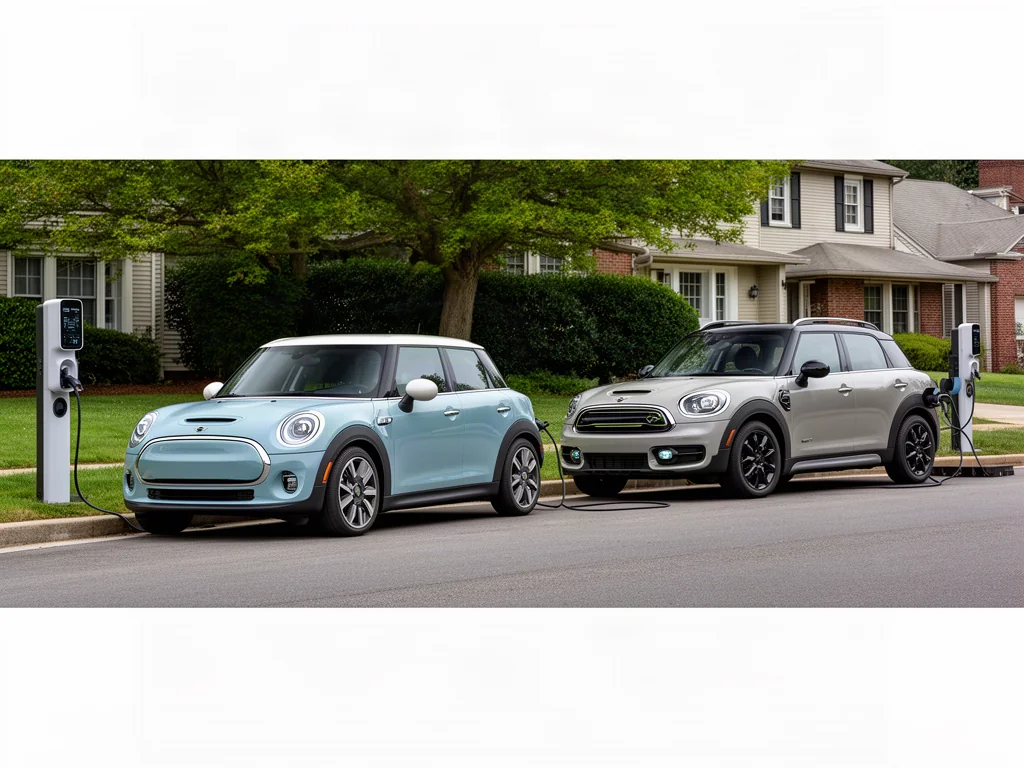
Shoppers comparing MINI Cooper EV range usually mean the fully electric Cooper or Countryman, not a gasoline-assisted plug-in. The published figure still needs a generation, model year, trim, and sales market before it is useful, because EPA range and WLTP range are different tests. Usable battery capacity, state of charge, and battery temperature then decide how much of that rating shows up as estimated remaining range on a given day.
Identify the Electric MINI Behind the Range Figure
A MINI range number is only useful once you name the vehicle that produced it. Cooper SE and Countryman Electric figures differ by generation, model year, trim, wheel size, and the country in which the car was certified. Two cars that look similar on a lot can carry different batteries or software, so a figure copied from another listing does not automatically apply. Confirm the exact configuration before treating any published distance as relevant.
Fully electric MINIs should stay separate from plug-in hybrids. A plug-in Countryman or Cooper can travel a long way with gasoline assistance, and that combined distance is not electric range. When you evaluate mini ev range, use only the battery-electric Cooper SE or Countryman Electric. Keep each quoted rating under its original EPA range or WLTP range label. Those procedures use different cycles and temperatures, so converting one result into the other misstates what the laboratory actually measured.
Cooper SE Range by Generation and Model Year
Cooper SE electric range should be read generation by generation and model year by model year, not as one family number. Each certified rating belongs to a specific combination of battery hardware, software, and equipment. If official documentation lists a figure for a given year, record it with that year and keep later years in their own entries. Avoid ranking generations against each other from marketing copy alone, because test methods, markets, and equipment packages are not interchangeable.
Cooper electric naming and availability also change with the sales market. A Cooper SE sold in one region may never have been offered in the United States, so a European WLTP range cannot be treated as a U.S. EPA result. Where a published rating names a trim or wheel configuration, keep those details attached to the number, because rolling resistance and mass can change the certified result. An advertised rating still does not guarantee the distance available on an individual trip.
Countryman Electric Range for the Applicable Configuration
Mini Countryman EV range is likewise configuration-specific. A verified figure should carry its model year, the market that certified it, and whether the test was EPA or WLTP. The electric Countryman is not a single powertrain across every generation, and a Countryman SE badge does not always mean the same battery or drivetrain. Front-wheel, all-wheel, and different battery packs can each produce a different published rating, so the variant and drivetrain belong next to the number.
To find the applicable rating, start with the vehicle's original specification sheet, window sticker, owner's handbook, or the manufacturer's model-year brochure for that market. Match the VIN-identified model year and equipment, then read the range line that sits under the same test standard used at certification. If the document is silent or the car was converted between markets, treat informal quotes as unconfirmed. The correct source is the paperwork that accompanied that specific Countryman Electric, not a later generation's claim.
What a New MINI Electric Range Claim Refers To
The phrase new MINI EV range only stays clear when it is tied to a named generation and model year. Product cycles move quickly, and a claim that was current at reveal can describe a car that is no longer the newest example a year later. Write the generation and the first model year of that body or battery together so later readers can tell which vehicle the distance referred to. Unlabeled use of new becomes ambiguous as soon as the next Cooper or Countryman arrives.
Announced or preliminary range claims are not the same as finalized ratings. Early event figures may be targets, engineering estimates, or results from a development cycle that later changes before production. Label those numbers as preliminary until the market's official certification appears. An overseas announcement also does not establish U.S. availability or an EPA-rated driving range. Until a U.S.-bound Cooper SE or Countryman Electric is certified, treat foreign WLTP material as information about another market, not a domestic rating.
Why Your MINI's Available Range Changes
The distance your MINI can cover on a given day moves with energy use, not only with the published rating. Higher highway speed increases aerodynamic drag, cold outside temperature and cabin heating draw extra energy from the pack, elevation changes add climbing work, and extra passengers or cargo raise mass. Those factors can shorten a trip without any fault in the car. The dashboard still reports estimated remaining range from recent consumption, so the same state of charge can display different miles after a cold commute than after a mild, slower drive.
A short-term drop in the range display alone cannot establish battery degradation. Usable battery capacity also depends on battery temperature and how the pack is managed at high and low state of charge, so a cold morning or a recently completed highway run can move the estimate without aging the cells. If range loss persists across similar weather, speeds, and charge levels, or if battery warnings appear, have the vehicle assessed by a qualified MINI or high-voltage technician. Do not attempt high-voltage diagnosis or pack service yourself.
Plan Daily Driving and Longer Trips With a Range Reserve
Daily planning should start from the miles you actually need, not from the brochure. Add the round-trip distance, the weather and speed you expect, whether you can charge at the destination, and a reserve you are comfortable arriving with. That reserve covers traffic, a closed charger, or a colder return leg. If the remaining energy after those allowances looks thin, charge before departure or shorten the loop rather than hoping the advertised Cooper SE or Countryman Electric rating will stretch to fit.
Several representative trips in your own car build a more useful baseline than a single rating. Note energy used, miles covered, and conditions, then average those results for commuting, highway, and mixed days. When you have reliable inputs, a rough distance estimate is usable battery capacity, multiplied by the fraction of charge you plan to use, divided by observed consumption. Longer journeys still need confirmed charging stops and a backup location. Do not plan a full advertised range with no margin, because real traffic and temperature rarely match the test cycle.