MINI Cooper Models by Year: A Generation-by-Generation Overview
The Short Answer
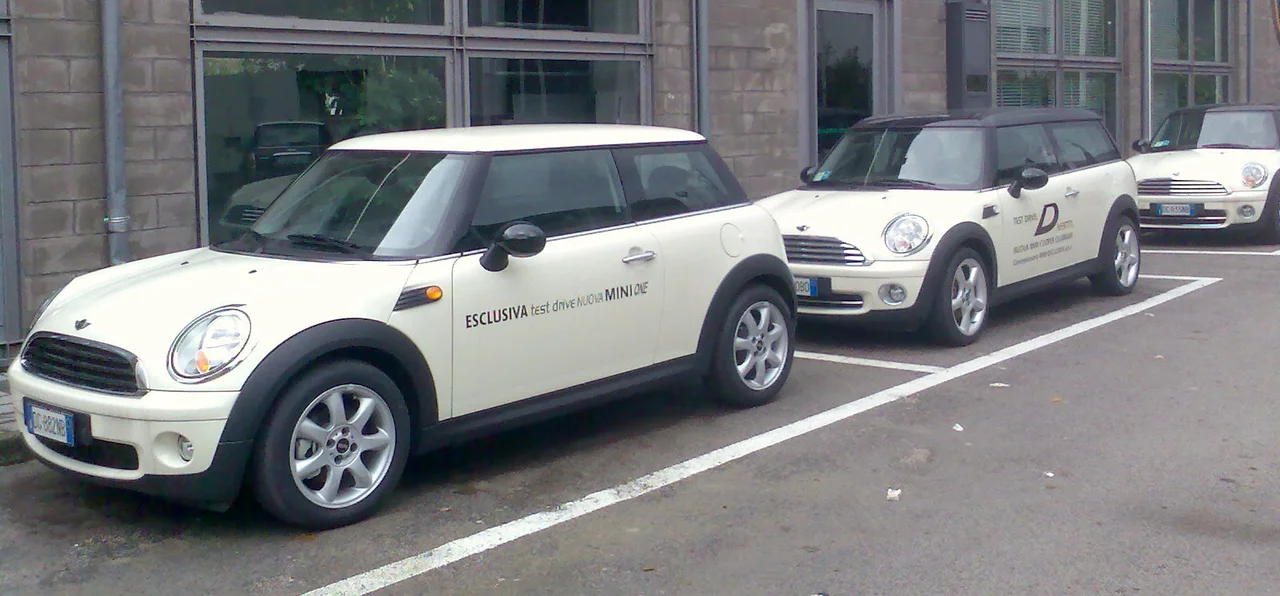
The modern MINI Cooper is easiest to sort by generation. Since BMW relaunched the brand, the core hardtop has gone through four broad generations. Engineers and enthusiasts identify each one by an internal chassis code. Body styles such as the Convertible, Clubman and Countryman were added or redesigned on their own schedules, so a model year identifies the generation only when you also know the body style.
Scope note: no verified specification data was supplied for this guide. The ranges below are general reference points drawn from widely published generation history and are given as approximate US model years. Changeover years can overlap or shift by a year, and European dates often differ. Confirm any individual car using its VIN and door-jamb label, as described later in this guide.
Classic Mini Versus Modern MINI
The original Mini was a small British car produced from 1959 to 2000. The Cooper name marked its performance versions. The classic Mini was officially sold in the US only until the late 1960s. Most US shoppers searching for a MINI Cooper by year are therefore looking at the BMW-era car, which this overview focuses on.
Modern Hardtop Generations at a Glance
Generation | Main hardtop chassis codes | Approximate US model years | Key distinctions; First | R50 (Cooper), R53 (Cooper S) | 2002–2006 | Brand relaunch; Cooper S used a supercharged engine; a Convertible joined the range later and stayed on sale longer than the hardtop; Second | R56 | 2007–2013 | Cooper S switched to turbocharging; the family grew to include Clubman, Countryman, Coupe, Roadster and Paceman; Third | F56 (two-door), F55 (four-door) | 2014–2024 | Larger platform; a four-door hardtop was added; an electric Cooper SE was offered in later years; Fourth | F66 (gasoline two-door), J01 (electric) | 2025 onward | Current redesign; gasoline and electric versions use different underlying platforms
Body Styles Follow Their Own Timelines
The hardtop is not the only MINI. The wagon-style Clubman, the larger crossover-style Countryman and the Convertible each had their own redesign cycles, which did not always line up with the hardtop's. The Coupe, Roadster and Paceman were spin-offs of the second generation and were not continued. The Clubman was dropped at the end of the third generation. The Countryman continued and was redesigned again as a larger vehicle for the current generation.
For buyers, the practical result is that two MINIs from the same model year can belong to different generations if they are different body styles. Always pair the year with the exact body style when researching parts, recalls or reviews.
Model Year Versus Build Date
Model year and build date measure different things. The model year is the designation the manufacturer assigns for sales and registration. The build date is the month and year the car was actually produced. A car built late in a calendar year commonly carries the following model year. This difference matters most around generation changeovers and when matching parts that changed mid-cycle.
How to Confirm a Specific Car
Check the 10th character of the VIN: on vehicles sold in North America, this position encodes the model year. Read the certification label on the driver's door jamb: it shows the month and year of manufacture. Ask a dealer or use a VIN decoder to identify the chassis code, which pins down the generation and body style. Treat badges such as Cooper, Cooper S and John Cooper Works as indicators of performance level, not generation, since each name has appeared across multiple generations.
What This Overview Does Not Cover
No confirmed figures were available for engine outputs, dimensions, fuel economy, electric range, prices or year-by-year trim changes, so those details are not included here. For any of these, consult official MINI USA documentation or the window sticker and records for the specific vehicle.