Mini Cooper Manual Transmission Availability by Year
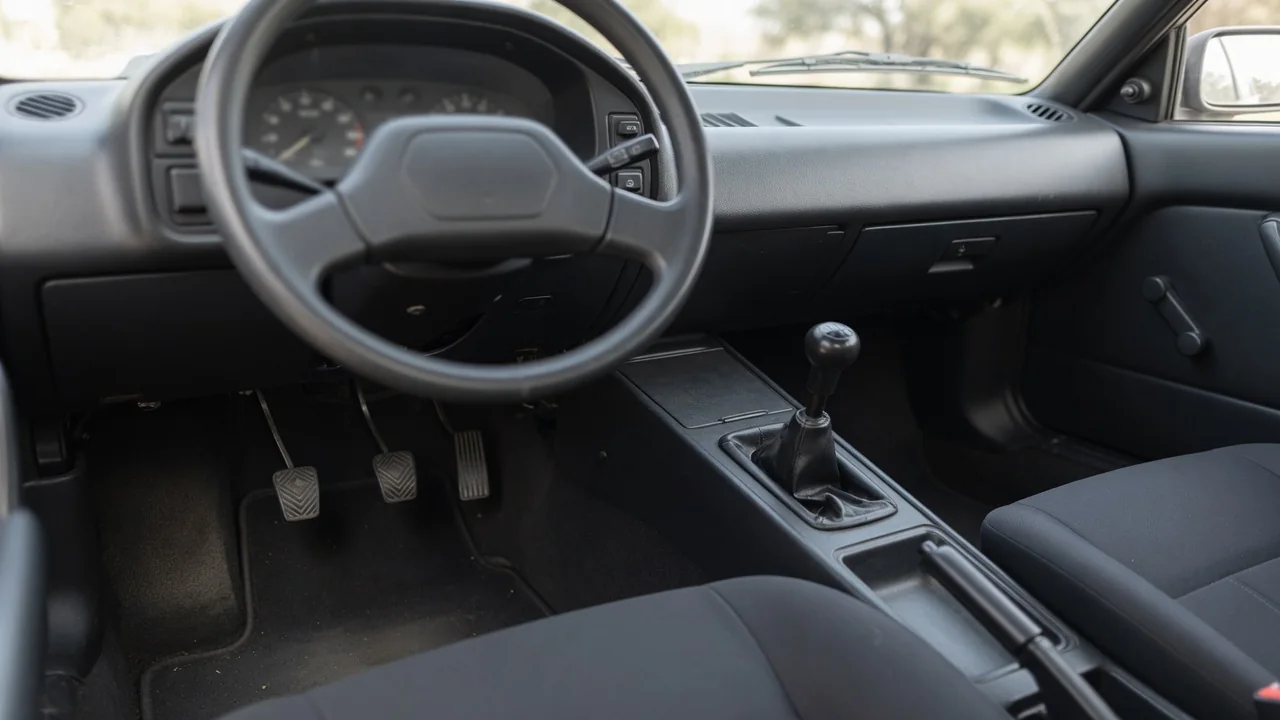
A Mini Cooper with a manual transmission is still a configuration shoppers look for, but the three-pedal layout was never a blanket option on every named model, body style, or trim level. Model year, original sales market, and factory build information decide what was actually offered. Before treating a listing as a stick-shift Cooper, confirm the clutch pedal, gearshift pattern, and documents against that specific vehicle rather than a generic nameplate.
Manual Availability by Mini Cooper Model Year
US-market availability of a Mini Cooper manual transmission depends on model year, named model, body style, and trim, not the Cooper badge alone. Confirmed factory offerings come from historical specifications for that exact configuration; a similar hatch or convertible in another year can differ. When a configuration cannot be verified, treat it as unverified rather than assuming a clutch-operated gearbox was sold. Calendar production date and first registration date can also differ from the labeled model year, so record those dates separately when they appear.
Documented production interruptions or ordering restrictions should be cited only when the applicable dates and configurations can be established from factory or dealer records. A gap in one trim level does not prove the same restriction applied to every Mini Cooper transmission manual offering that year. Window stickers, original order sheets, and the owner's manual for that vehicle remain stronger evidence than a generalized year range. If those sources conflict, keep the claim limited to what the paperwork actually shows for the car in front of you.
Which Model, Body Style, and Trim to Check
A listing labeled simply Mini Cooper does not establish the exact model or whether a manual transmission Mini Cooper was built that way from the factory. Hardtop, convertible, and other body styles have been sold under overlapping marketing names, and trim level can change which gearbox was catalogued. Record the model year, the full trim designation, the body style, and the original sales market before checking availability. Those four details keep later claims attached to one documented configuration instead of a family of cars that only share a badge.
Keep availability claims specific to the documented configuration. A three-door hatch that was offered with a clutch pedal does not automatically mean a four-door, wagon-like, or convertible sibling carried the same Mini Cooper manual transmission. Imported vehicles require a second check against specifications for their original market, because equipment packages and gearbox options can differ from U.S. dealer stock. Matching the VIN, build sheet, and sales market prevents treating a gray-market car as if it were ordered through a domestic showroom.
Confirming That a Used Mini Has a Factory Manual
Photographs should show a clutch pedal and a manual gearshift pattern in the actual vehicle being sold, not a stock brochure shot of a similar Cooper. Count the pedals, look at the shifter gate, and compare cabin details such as seats, steering wheel, and mileage display with other listing photos. An automatic transmission's manual shift mode, paddle shifters, or a sequential-looking lever does not establish a clutch-operated manual gearbox. If the pictures are mixed, cropped, or clearly from another car, treat the three-pedal claim as unconfirmed until you see the car in person.
Vehicle-specific factory build information and original sales documents are the next check when they can be obtained. A basic VIN decoder often identifies engine family or a broad transmission category, but it does not always resolve every gearbox detail for a Mini Cooper. Window stickers, delivery invoices, and dealer order confirmations can show whether a stick shift was specified at build. Investigate discrepancies among the listing text, cabin controls, and build information before making a purchase, because a swapped shifter or missing clutch pedal can leave the advertised description incomplete.
Owner Notes on Clutch Feel and Shifting
During ordinary driving, clutch engagement, pedal return, and gear selection are useful observations. Note where the clutch takes up, whether the pedal returns smoothly, and whether each gear slots without a grind or a delayed bite. Unusual sounds while shifting, a change in engagement height, or vibration through the pedal or lever are worth recording as they occur, not as proof that a named part has failed. Several wear items and adjustments can produce similar feel, so the notes belong in a log for a technician rather than as a roadside diagnosis.
Difficult shifting, vibration, or changing engagement behavior can have several causes and cannot identify a failed component on their own. A lawful, routine test drive is appropriate only when the vehicle appears safe; skip aggressive launches and deliberate clutch-slip tests that add heat and wear. If gear engagement becomes unreliable or a burning smell develops, stop the assessment and arrange a professional inspection. Continuing to force gears or riding the clutch after those warnings can turn a drivability check into further damage without clarifying what needs repair.
Records and Inspection Before Ownership
Review invoices for clutch, gearbox, and related work, noting what was diagnosed and what was actually repaired. Absence of a clutch job on paper does not prove the original disc is still in place, and a replaced assembly does not by itself prove remaining life. Use the exact vehicle's owner documentation and verified service information for maintenance requirements and fluid specifications rather than a generic Mini Cooper chart. The owner's manual and later technical updates for that model year remain the right place to confirm capacities and approved fluids when those details matter.
Request a prepurchase inspection from a technician familiar with the relevant Mini model, including assessment of reported shifting symptoms and visible leaks around the clutch housing, gearbox, and related lines. Manual availability alone does not establish condition, remaining clutch life, or future repair costs. A clean three-pedal Cooper can still need attention, and a documented gearbox history does not replace a current inspection of play, leaks, and engagement quality. Treat the inspection findings and the paper trail together so the purchase decision reflects this car, not the idea of a stick-shift Mini.