Mice in Your Car in Winter: Do They Stay While You Drive and How to Stop Them
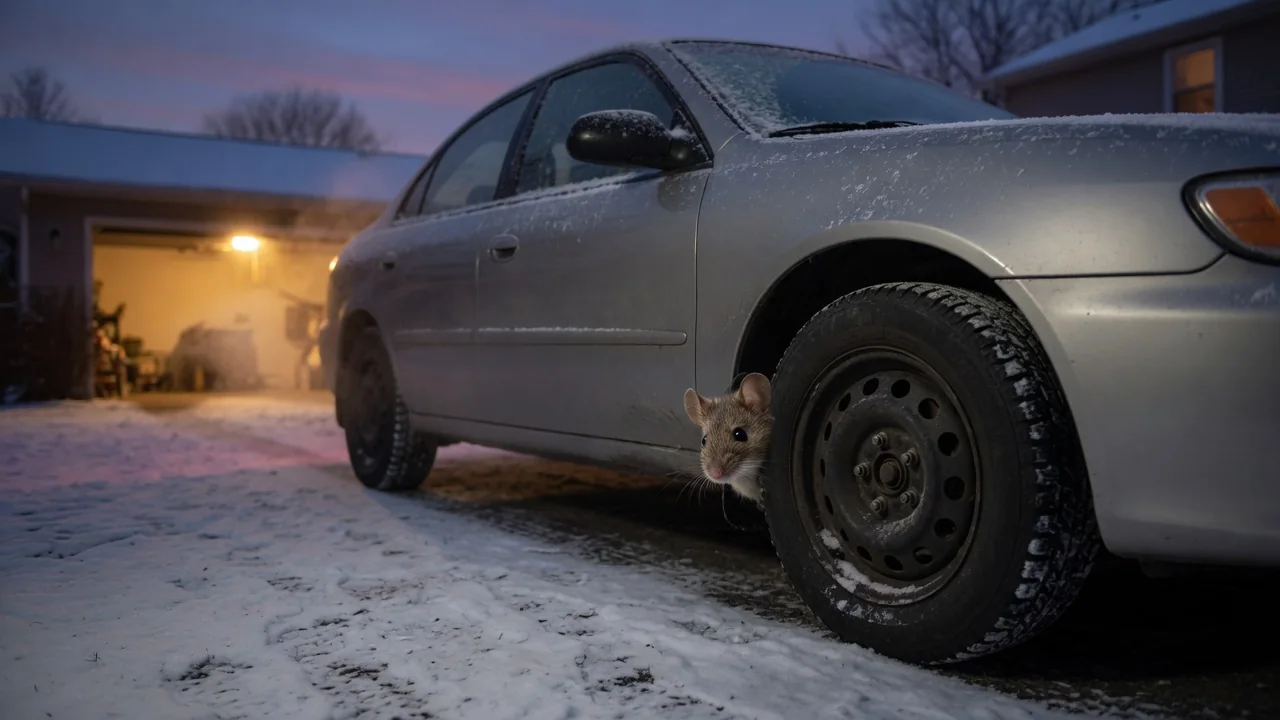
When winter sets in, a car’s engine bay becomes a warm refuge for mice seeking shelter from freezing temperatures. A mouse can enter through small openings around cables, steering columns or ventilation intakes, then build a hidden nest using shredded insulation or stored debris. Drivers often wonder whether the animal stays aboard once the engine starts and the vehicle moves. Understanding how mice behave in a running car, recognizing the signs of an infestation, and taking practical preventive steps can help protect both the vehicle and its occupants.
Why Mice Move Into Parked Cars When Temperatures Drop
After a car is parked, residual heat from the engine and exhaust system lingers for hours, creating a pocket of warmth that rodents find attractive on cold nights. The engine bay offers many sheltered cavities where a mouse can curl up, such as spaces around the battery tray, under the intake manifold, or inside air filter housings. Once inside, the animal may drag in leaves, grass, or shredded fabric to insulate a nest, and it can go unnoticed for days if the car is not driven.
A vehicle parked for extended periods is more exposed to rodent activity than one driven daily, because disturbances and temperature cycles discourage nesting. Common hiding spots include the cabin air filter area, trunk linings, and under seats, where food crumbs or pet food stored in a garage make the space even more inviting. Cars parked near woodpiles, tall grass, or bird feeders face a higher chance of mice moving in, since those areas provide easy access and nearby shelter.
Do Mice Stay in the Car While You Drive?
The answer is not always straightforward: a mouse may flee when the engine starts, but it can also remain hidden for some time, especially if it is in the cabin, trunk, or HVAC ducting. In the engine bay, the sudden noise, heat, and movement are dangerous for the animal and will likely cause it to bolt or be injured. However, a mouse that has built a nest in a quieter spot, such as under a seat or inside a vent, may not react immediately and can be carried to a new location without the driver ever knowing.
While driving, signs of a stowaway include scratching or rustling sounds from behind the dashboard, movement near the footwells, or an unusual smell coming from the vents. If a mouse is spotted, the driver should remain calm, avoid reaching for or chasing the animal, and pull over safely as soon as possible. Opening a door once stopped may allow the mouse to leave on its own. Afterward, a careful inspection can determine whether nesting material or damage is present before continuing to drive.
Warning Signs a Mouse Has Been Nesting in Your Car
Rodents leave behind clear evidence of their presence. Droppings, which are small and dark, may be found on the floor mats, seats, or in the engine compartment. Shredded paper, insulation, fabric, or stored nuts and seeds often appear near nesting sites, and gnaw marks on plastic, rubber, or foam components indicate active chewing. A thorough visual check with a flashlight—while the engine is off and cool—can reveal these signs without disassembling parts, though some areas will remain difficult to see.
Odor clues are also important. A musty or urine-like smell inside the cabin often means a nest is nearby, and a burning smell when the heater runs suggests nesting material has been pulled into the airflow path or is touching a warm component. Weak airflow from the vents, or bits of debris blowing out when the fan is turned on, can point to a nest in the cabin air filter area or ducting. These symptoms should prompt a closer look and possible professional cleaning.
What Rodent Chewing Can Affect and When a Shop Should Inspect It
The primary concerns with rodent activity are gnawed wiring, hoses, insulation, and air filters. Damage can range from minor cosmetic marks to serious problems that affect how the vehicle runs. If a mouse chews through a sensor wire, a warning light may appear, or the engine may run roughly. In more severe cases, the car might fail to start. However, these symptoms can also arise from unrelated faults, so a fault code or dashboard light is not proof that a rodent caused the issue.
If a burning smell, visible smoke, exposed wiring, or fluid leaks appear after rodent activity, the vehicle should not be driven. Instead, it should be towed or inspected by a qualified technician. Because the same symptoms can result from many causes, a professional diagnosis is the only way to confirm the extent of any chewing damage. It is also worth contacting an insurance provider to ask whether animal damage is covered under the policy, since coverage varies and cannot be assumed.
Cleaning Up Droppings and Nests Safely
Rodent droppings and urine can carry diseases, so any cleanup should follow local public health guidance. The safest approach is to avoid dry sweeping or vacuuming droppings, which can stir up harmful dust. Instead, wear gloves, ventilate the area, and wet the debris with a disinfectant solution before wiping it up. This keeps particles from becoming airborne and reduces the risk of exposure. Any disposable materials used during cleanup should be sealed in a plastic bag and discarded properly.
If the cabin air filter shows signs of contamination, such as gnaw marks, droppings, or nesting material, it should be replaced. Airing out the car after cleanup helps clear lingering odors. When a nest sits deep in ducting, under interior panels, or near wiring, it is often safer to have a professional detailer or technician handle the removal. Attempting to dismantle trim or HVAC components without proper tools and knowledge can cause further damage to the vehicle.
How to Keep Mice Out of Your Car This Winter
Prevention begins with removing attractants. Food, wrappers, and pet supplies should be kept out of the car and garage, and any stored vehicles should be driven or at least checked regularly. Parking inside a closed garage is helpful, but gaps around doors or vents should be sealed where possible. Moving the car away from tall grass, woodpiles, and bird feeders reduces the chance of mice finding their way in. Consistent disturbance—starting the car, opening the hood, or even moving it a few feet—can discourage nesting.
Several deterrent methods exist, but their reliability varies. Traps set around the vehicle, not inside it, can reduce the local mouse population, while poison is risky because a dead rodent may remain hidden in a hard-to-reach area and cause odor or further damage. Scent deterrents, ultrasonic devices, and rodent-deterrent tape are options with mixed results and are not guaranteed fixes. It is also important not to block air intakes, exhaust openings, or leave items in the engine bay, because forgotten objects can cause serious problems once the car is driven.