Miata radiator cap pressure
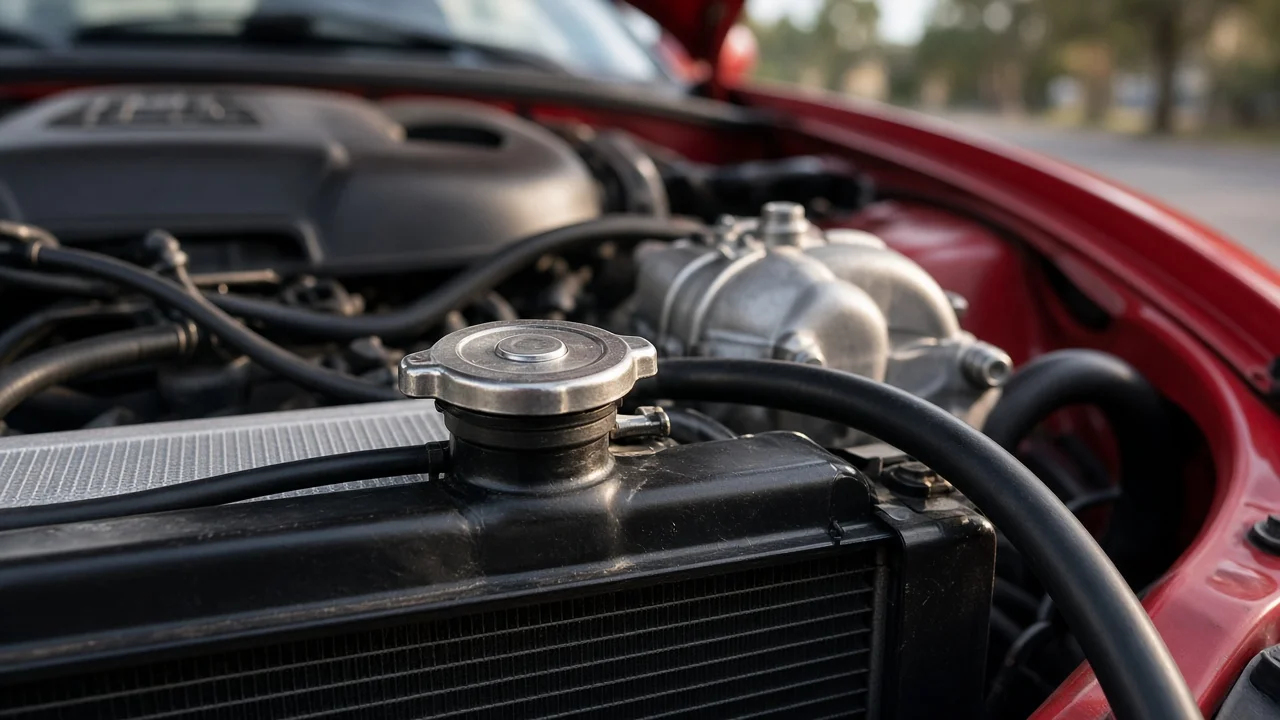
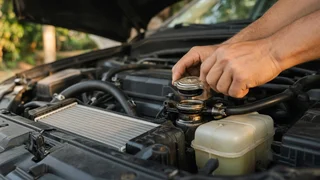
Miata radiator cap pressure is the controlled release point that keeps the cooling circuit above atmospheric pressure so coolant resists boiling under load. On a Miata, the cap sits on the radiator or a remote filler neck depending on year and cooling system layout. Selecting or testing the correct cap matters because it works with the thermostat, coolant concentration, and system sealing to stabilize temperature. A weak or wrong-range cap can allow air pockets, coolant loss, or overheating that may be mistaken for a head gasket issue. Understanding the pressure value helps owners separate normal evaporation from a genuine leak and avoid replacing parts that are not the actual cause of unstable temperature behavior.
Essential answer
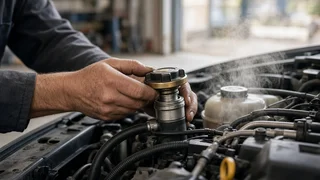
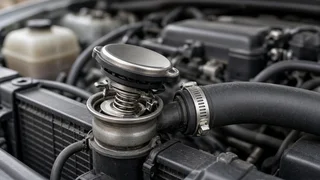
The central answer is that Miata radiator cap pressure describes the rated relief point at which the pressure cap vents excess coolant or vapor into the recovery tank. Raising system pressure increases the boiling point of the coolant, so the engine can operate at normal temperatures without localized boiling around the cylinder head. The cap is not a simple stopper; it is a spring-loaded valve with a vacuum return path that lets coolant return from the reservoir as the engine cools. Because this behavior depends on the cap's rating, a replacement cap should match the cooling circuit's expected range rather than simply fitting the filler neck threads.
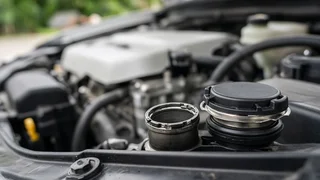
The useful qualification is that not all Miatas use the same radiator configuration, but the pressure cap's role remains consistent across the platform. Early models with a conventional radiator and later models with a surge-tank style layout still rely on the same principle of a sealed, pressurized cooling circuit. The exact cap rating can vary by year and replacement radiator design, so owners should confirm the specified range for their vehicle rather than assuming a higher rating improves cooling. A higher-pressure cap is not automatically safer; it only changes the point at which the system vents, which can expose old hoses or a weak radiator to greater stress.