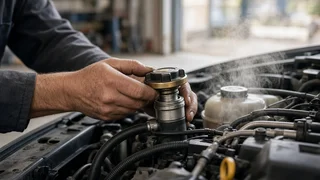
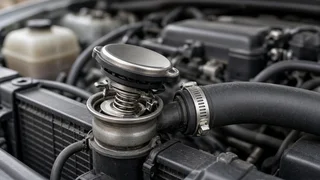
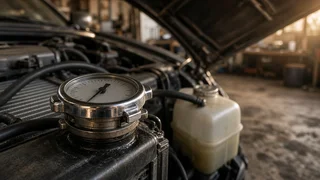
MGB radiator cap pressure
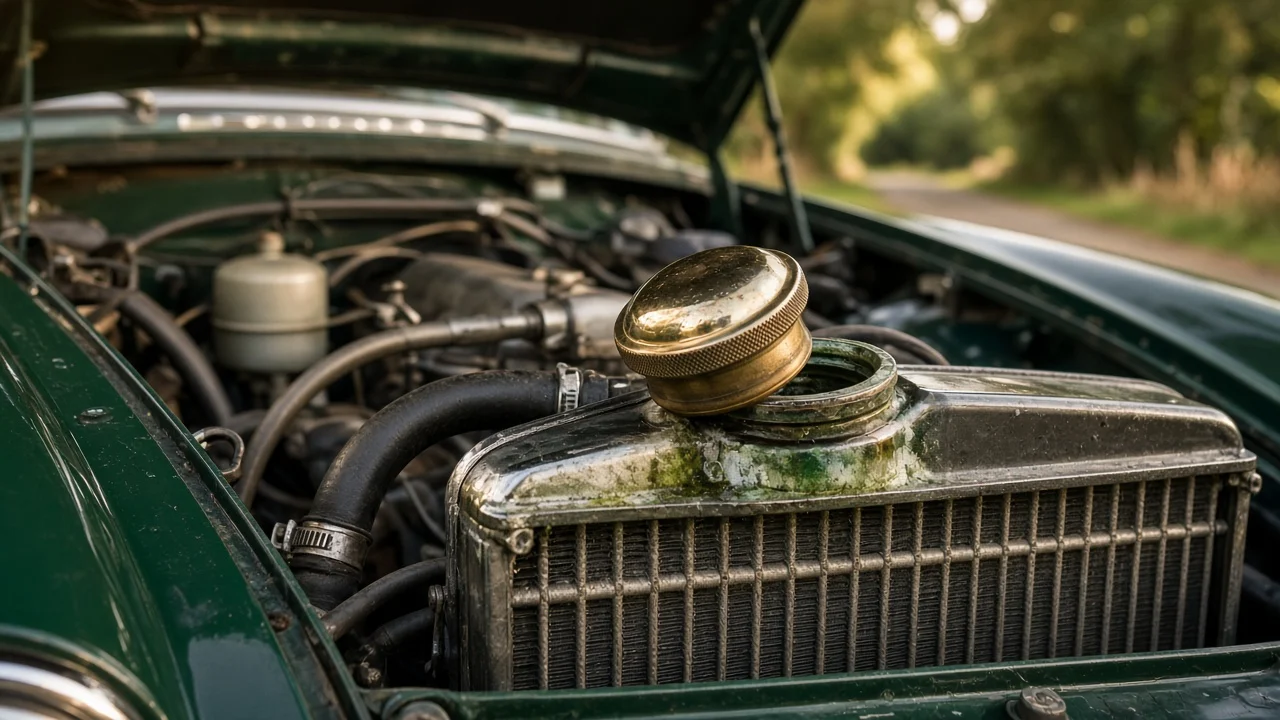
Radiator cap pressure on an MGB is not a fixed number for every car; it is a range that must match the design of the cooling system. The cap sits at the highest point of the cooling circuit and raises the boiling point of the coolant under load. Choosing the wrong cap changes how the radiator, thermostat, and pressure cap work together, which can create air pockets or force coolant past seals. Understanding this pressure helps owners diagnose overheating and select a replacement without guessing.
Essential answer
The essential answer is that an MGB radiator cap must hold roughly the moderate pressure intended for a classic British cooling system, but the exact setting depends on the radiator neck and cap condition. A pressure cap works by trapping expanding coolant inside the sealed cooling circuit. As the engine warms, the coolant concentration and trapped air increase pressure, which raises the boiling point above the normal atmospheric limit and reduces the chance of localized boiling around the cylinder head.
Owners should treat a cap rating as a system specification, not a performance upgrade. If the cap opens too early, coolant escapes to the overflow before the radiator has transferred enough heat. If it holds too long, hoses, the heater core, or the radiator seams may see pressure beyond their intended range. The useful next step is to verify the cap rating for the specific MGB radiator neck, inspect the sealing surfaces, and replace a weak or distorted cap with one that matches the system rather than a random higher-pressure part.