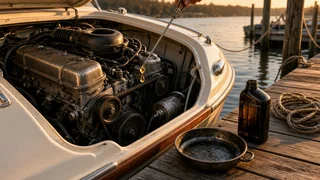
MerCruiser 5.0 oil capacity

Finding the correct MerCruiser 5.0 oil capacity matters because an overfilled or underfilled marine engine behaves differently than a road engine under sustained load. The 5.0-liter sterndrive shares basic small-block architecture with familiar GM designs, but marine cooling, installation angle, and oil pan shape affect the fill quantity. Owners usually need this figure when buying oil, performing a lubricant service, or checking whether a recent level reading is normal. The following answer explains why the capacity is not one universal number, how the level check works, and why manufacturer approval for the lubricant specification supports safe operation.
Essential answer
The MerCruiser 5.0 oil capacity generally falls in the range of approximately 4.5 to 5.5 quarts with a filter change, but the exact fill quantity depends on the specific sterndrive model, oil pan design, and whether the engine uses a remote oil filter or cooler. This is not a single specification shared by every 5.0 marine engine. Model year, serial number range, and installation package can change the pan depth and dipstick calibration, which directly affects the amount required to reach the full mark after draining.
Because MerCruiser produced several 5.0 variants, equipment identification is the most reliable way to confirm capacity. The engine serial number or model identifier on the flame arrestor cover, valve cover label, or transom assembly helps narrow the application. Without that confirmation, a safe approach is to add the lower expected amount, run the engine briefly to fill the filter, shut it down, and then bring the level up gradually while checking the dipstick rather than pouring in a published figure all at once.
The level check procedure itself is part of getting the capacity answer right. Marine engines are installed at a slight angle, so the dipstick reading can vary if the boat is not sitting at its normal floating attitude. Checking after the engine reaches operating temperature and then rests briefly gives a more consistent reading. The dipstick full mark, not a container measurement alone, is the final reference for a correct fill quantity on that particular installation.
Manufacturer approval for the oil is also important even when capacity is known. MerCruiser marine engines operate under high load, often at elevated rpm, and the lubricant must handle heat, moisture, and corrosion differently than automotive oil. Using the correct viscosity and an approved formula protects the flat-tappet or roller camshaft, bearings, and exhaust valve areas. Capacity tells how much to add, but lubricant specification tells whether the oil can protect the engine after the level is correct.