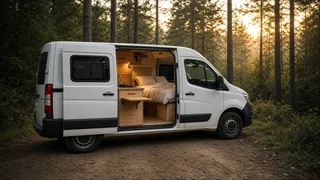
Mercedes vario camper van conversion

A Mercedes Vario camper van conversion turns a forward-control commercial vehicle into a self-contained travel space. The Vario’s ladder-frame chassis and upright body style give it a different starting point than a typical Sprinter or Transit build. Buyers generally encounter vehicles from several model generations, so the powertrain configuration, trim level and market specification shape what a conversion can realistically support. The result is less about bolt-on kits and more about evaluating how the base vehicle’s structure, weight capacity and mechanical accessibility fit the intended camping layout before any interior work begins.
Essential answer
A Mercedes Vario camper van conversion describes the process of adapting a Vario truck or bus platform into a habitable motorhome. Because the Vario was offered in multiple wheelbases, roof heights and body styles, no single layout defines the subject. The core idea is to use its strong ladder chassis and relatively tall cabin as a foundation for water systems, sleeping space, storage and electrical equipment. Unlike a passenger van, the starting vehicle is often a box van, minibus or chassis cab, so the conversion usually includes building or reinforcing the rear body rather than simply furnishing an existing cargo area.
The practical scope of the conversion depends heavily on the model generation and market specification of the donor vehicle. Some examples arrived with manual drivetrains and minimal cabin trim, while later units included more developed controls and seating. A prospective owner should first establish what body style and powertrain configuration are present, since those factors affect cab access, interior height and underbody clearance. In the United States, these vehicles are less common than domestic step vans, so parts sourcing and body repair often require more planning than a conversion based on a widely supported North American van platform.