Mercedes Brake Booster Vacuum Hose: Identifying the Correct Part
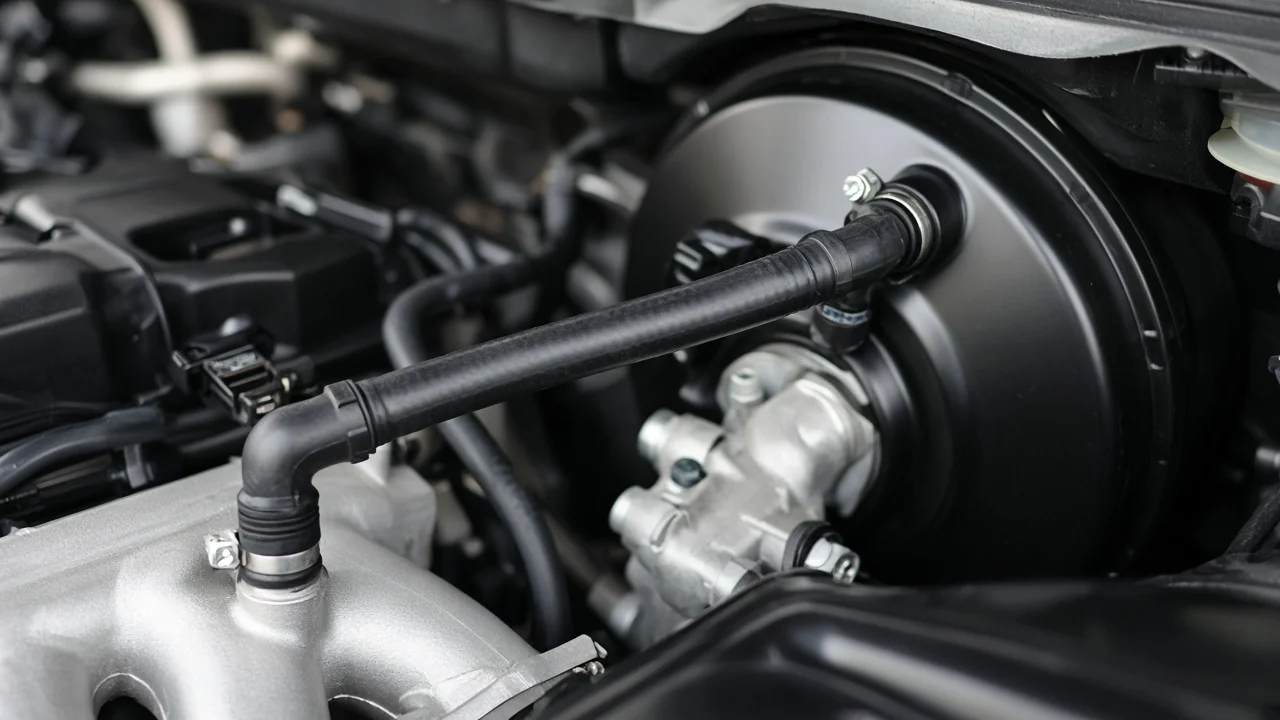
A Mercedes brake booster vacuum hose looks like a simple line, but the correct part depends on the chassis, engine, production date and sometimes market. Many factory lines are molded plastic assemblies with a built-in check valve, so a hose that merely reaches both ports may still be wrong. This guide explains how the line works, what changes fitment and how to confirm you are ordering the right replacement before a leak costs you brake assist.
The short answer: identify the hose by VIN
The reliable way to find the correct vacuum hose for a Mercedes brake booster is to look it up with the full vehicle identification number in a Mercedes parts catalog, either at a dealer parts counter or through a supplier that decodes the VIN. The model name alone is not enough. A C-Class or E-Class may be offered with several engines, and each engine can route the booster line differently, use different end fittings or take vacuum from a different source. Once the VIN lookup returns a part number, compare it with any number molded or printed on the original line, then confirm the overall shape, length, connector types and check valve position before you buy.
Be cautious with listings that claim one hose fits an entire model range without asking for the engine or VIN. Aftermarket lines can be perfectly serviceable, but only when they are a direct-fit copy of the original assembly for your exact vehicle fitment, not a universal length of hose.
How the booster vacuum line works
The brake booster sits between the pedal and the master cylinder. Inside it, a diaphragm separates two chambers that both hold vacuum while the pedal is released. When you press the pedal, a valve lets atmospheric air into the rear chamber, and the pressure difference pushes the diaphragm forward, multiplying your foot force. The vacuum hose keeps the booster supplied, and its one-way check valve lets air flow out of the booster toward the vacuum source but not back in. That valve is what preserves a reserve of assist when the engine is under load, under boost or switched off.
On many naturally aspirated gasoline engines the vacuum comes from the intake manifold. Diesel engines and many turbocharged gasoline engines produce little or no usable manifold vacuum, so they use an engine-driven mechanical vacuum pump, and some vehicles add or substitute an electric pump. When the line leaks, the usual signs are a hard pedal, a hiss near the booster or engine bay when braking, and on gasoline engines that draw from the manifold, possibly a rough idle or lean fuel-trim fault codes. A vacuum leak does not affect the hydraulic side of the system. The brake fluid, caliper pistons, brake pads and brake rotors still work, but you must push much harder to get the same clamping force on the friction material.
What changes which hose you need
The biggest variable is the engine. Four-cylinder, V6 and V8 gasoline engines, turbocharged variants, AMG versions and diesels can all use different lines on the same chassis, because the vacuum source and its location differ. Mercedes also revised parts during production runs, so two cars of the same model and model year can need different hoses. Other details that matter include the type of quick-connect coupling at each end, whether the check valve is built into the line or is a separate inline part, the grommet that seals the line into the booster, and on some later vehicles a pressure sensor at the booster or in the line that the hose must accommodate.
Some Mercedes models are exceptions altogether. Certain W211 E-Class, R230 SL and early C219 CLS versions used Sensotronic Brake Control, an electrohydraulic system that does not rely on a conventional vacuum booster in the same way. Hybrid and electric models may use an electric vacuum pump or an electromechanical brake booster instead of a manifold-fed line. If your vehicle falls into one of these groups, a standard booster vacuum hose may not apply, and the correct repair has to come from that system's service information.
What you can check before ordering
Start by inspecting and photographing the existing line from the booster to its vacuum source. Note any rigid plastic sections, rubber elbows, quick-connect fittings and the check valve body, which is often marked with an arrow pointing toward the vacuum source. Look for cracked or brittle elbows, oil-soaked rubber, a split near a fitting and a hardened or loose grommet at the booster. These photos make it much easier to compare the replacement against the original and to route it correctly without kinking it or letting it rub on hot or moving parts.
Two simple checks help confirm the hose is the problem. First, with the engine off, pump the brake pedal several times to use up the stored vacuum, hold light pressure on it and start the engine. The pedal should sink slightly as assist arrives; if it does not, assist is missing. Second, if the check valve can be removed, air should pass through it in one direction only, from the booster side toward the engine side. A valve that passes air both ways or blocks it both ways needs replacing. With the engine idling, listen for a hiss that changes when the pedal is pressed.
When ordering, confirm the VIN-based part number, matching end fittings, whether the check valve is included and whether the booster grommet should be replaced at the same time, since a hardened grommet can leak even with a new hose. Avoid splicing generic hose into a factory plastic line with clamps. General-purpose hose can collapse under vacuum, may not resist oil vapor and heat, and clamps on molded fittings rarely seal reliably over time.
Limitations and when to stop driving
This guide cannot supply part numbers or routing for every Mercedes, and the factory service information and parts catalog for your VIN take priority. A hard pedal is not always the hose. A failed vacuum pump, a leaking booster diaphragm or a faulty booster-related sensor can produce similar symptoms. A pedal that sinks toward the floor is a different problem entirely, usually pointing to a hydraulic fault such as a fluid leak or master cylinder failure, and it is unrelated to vacuum. Likewise, a hose repair does nothing for worn brake pads or rotors that are already past their wear limits, which need separate inspection.
If brake assist is lost, the car can still stop, but it needs far more pedal force and a longer distance, which is dangerous in traffic. Stop using the vehicle except to move it to safety and arrange professional service or towing. After any repair, repeat the engine-start pedal test and make a careful low-speed check before normal driving. If brake or stability warning lights appear, have a technician with Mercedes diagnostic equipment scan the system, because those faults can involve more than the vacuum line.