Mercedes-Benz Transmission Fluid: Approvals, Sealed Units and Service
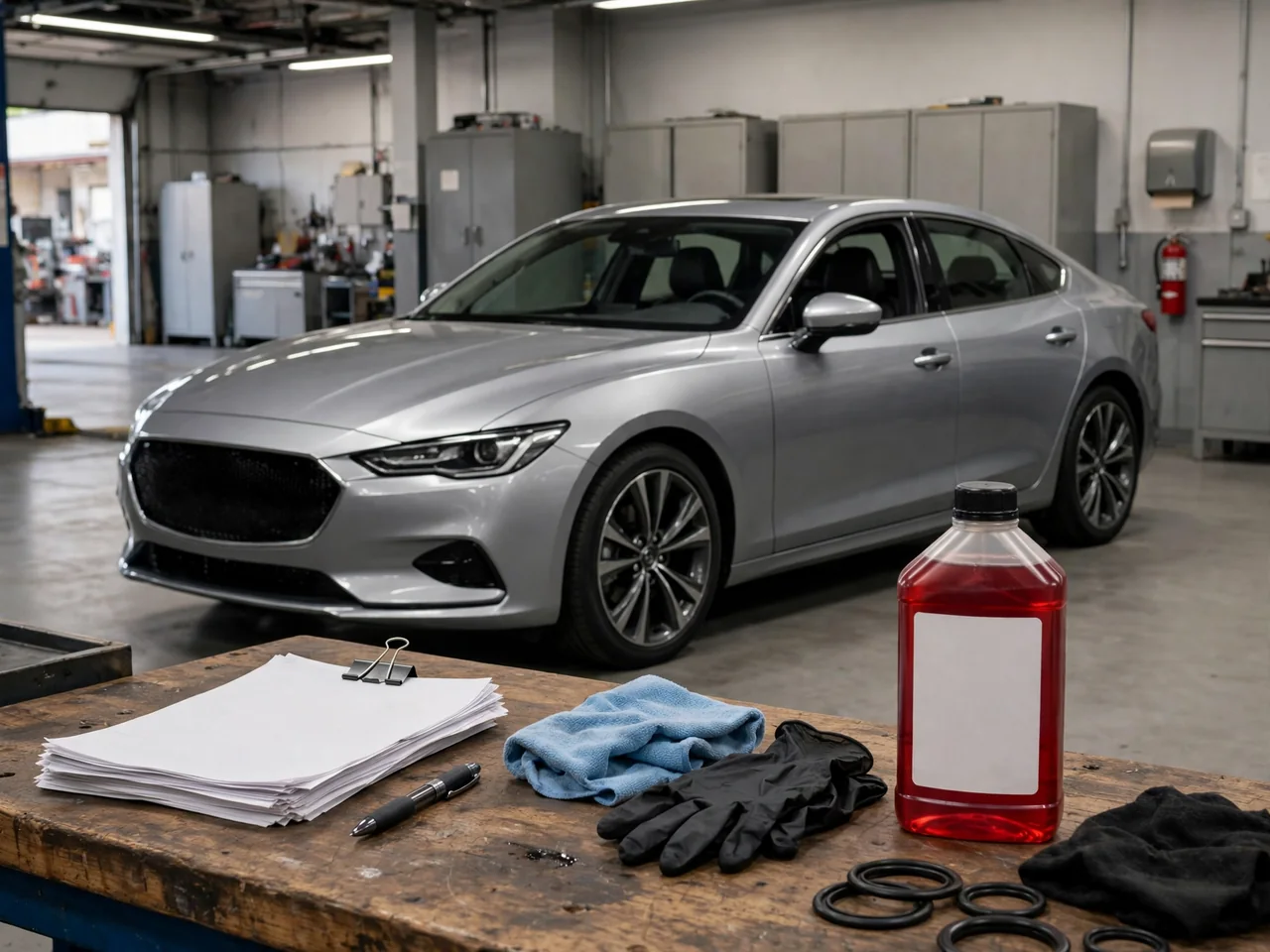
Choosing automatic transmission fluid for a Mercedes-Benz depends less on brand loyalty than on matching a documented approval to the exact transmission in the car. Mercedes transmission fluid requirements have changed from one generation to the next, many units have no conventional dipstick, and service schedules vary by vehicle and market. This guide explains how to identify the fitted unit, confirm the correct ATF approval, understand sealed-transmission service, and recognize symptoms that need diagnosis.
Identify the Transmission Before Selecting Fluid
A model name such as C-Class or E-Class describes a body and trim family, not a single drivetrain. Within one model year, Mercedes-Benz may pair different engines, drive layouts, and markets with different automatic transmissions, and production changes can happen partway through a year. Two cars that look identical can therefore require different Mercedes-Benz transmission fluid. Relying on the badge or the registration year alone invites a mismatch, so the first job is to establish which transmission is actually bolted to the engine before any fluid is bought or poured.
The most dependable starting point is VIN-based service information. A dealer or well-equipped independent shop can use it to pull the factory build data and the transmission designation. The maintenance booklet, original window sticker, and past invoices add supporting evidence. If the car has received a replacement or remanufactured transmission, or its service history has gaps, the original build data may no longer describe the fitted unit, and checking the transmission identification tag becomes important. Fluid selection should follow whichever unit is confirmed, backed by the documentation that applies to it.
Confirm the Required ATF Approval for the Transmission Generation
Mercedes-Benz publishes its fluid specifications as numbered approval sheets, and each transmission family is assigned the approval its engineers validated. Older automatics, the 7-speed family, and the newer 9-speed units were developed at different times with different friction materials and control strategies, so their requirements are not interchangeable by default. Even within one generation, variants and later revisions can carry a different or updated requirement. Rather than assuming one approval covers every unit with the same gear count, confirm the specific approval listed for the identified transmission designation in current Mercedes-Benz service information.
Once you know the required approval number, verify that the product you plan to use actually holds it. Third-party fluids should appear under that exact sheet number in the Mercedes-Benz approved-fluids listing, and the approval stated on the bottle should match the listing. Phrases like "suitable for" or "meets the performance requirements of" are marketing claims, not formal approval. Also confirm that the listed application matches your transmission, because a fluid approved for one Mercedes unit may not be approved for another, even if the packaging suggests broad compatibility across the brand.
Why the Specified Fluid Matters
Inside an automatic transmission, the fluid does much more than lubricate gears. It is the hydraulic medium the valve body uses to apply clutches and brakes. It carries heat away from the torque converter and clutch packs to the cooler, and it protects bearings, bushings, and planetary gearsets. Modern Mercedes-Benz transmissions rely on precise electronic control of clutch pressure, so the fluid's behavior directly shapes how smoothly and quickly each shift completes. It also affects how well components tolerate heat under heavy load or when towing.
Viscosity and friction characteristics are engineered together with the clutch materials and the shift software. A fluid that is too thick or too thin at operating temperature can change pressure response, and the wrong friction profile can cause harsh engagement, shudder, or slipping. Fluid color, a familiar brand, or a generic multi-vehicle ATF label says nothing about approval. If you don't know what is currently in the transmission or what it requires, don't top it off or add additives. Have a qualified shop verify the existing fill and the correct specification first.
What Sealed-Transmission Service Involves
Many Mercedes automatic transmissions are described as sealed. That usually means there is no owner-accessible dipstick and no routine check intended for the driver. The label does not by itself mean the fluid lasts forever or that the unit never needs service; the applicable maintenance schedule decides that. Without a dipstick, checking the fluid level becomes a workshop task. The level in these units depends on temperature, so a reading taken outside the specified window can mislead, which is one reason topping off by guesswork often leads to overfilling or underfilling.
Applicable procedures may call for the fluid to be within a specified temperature range, monitored with diagnostic equipment, and filled using dedicated adapters. The scope of the work also varies. A routine service may replace the fluid that can be drained along with the filter and seals, leaving some old fluid in the torque converter and cooler lines. A more complete fluid exchange aims to replace a larger share. Which approach suits your car depends on the fitted unit, its condition, and manufacturer guidance, so confirm the procedure before you authorize any work.
Confirm the Applicable Fluid Change Schedule
The right time for a Mercedes automatic transmission fluid change comes from the maintenance schedule for your specific vehicle, transmission, model year, and market, not from a figure quoted online or at a quick-lube counter. Schedules may combine time and mileage limits, and some include provisions for demanding use such as frequent towing or heavy stop-and-go driving. Read those elements together rather than focusing on a single number. The maintenance booklet or dealer service information shows which conditions apply and how they change the recommended timing for your car.
Invoices and transmission service history show which fluid was used, whether the filter, pan gasket, or connector seals were replaced, and when. If records are missing, ask for a documented assessment of leaks, stored fault codes, and fluid level before choosing between a routine service and a more extensive exchange. A clear estimate should name the required ATF approval, the planned procedure, the filter and sealing parts included, and how the final level will be checked at the correct temperature. A vague estimate that promises a generic flush deserves follow-up questions.
Recognize Symptoms That Need Diagnosis
Delayed engagement when you select Drive or Reverse, flaring between gears, harsh or erratic shifts, a transmission warning message, or drips under the car all justify an inspection. None of them automatically means the fluid is old or low, because sensors, wiring, software, mounts, and internal wear can cause similar complaints. Note whether symptoms appear when the car is cold or warm, at what speeds, and the exact wording of any warning. Photograph spots under the parked vehicle from the side instead of crawling underneath, and share what you've noted with the technician.
Fluid that looks dark or smells burnt may raise questions, but appearance and odor alone cannot establish the transmission's internal condition or identify the correct repair. If you lose drive, the transmission slips badly, fluid is leaking heavily, or the display tells you to stop, pull over where it is safe and arrange roadside or professional help instead of driving on. Be wary of any promise that fresh fluid will cure a problem. A mechanical, electrical, or control-system fault still needs diagnosis, and a fluid change cannot guarantee a fix.