Mercedes-Benz EV Range: Electric CLA, GLC, EQB and G-Class Explained
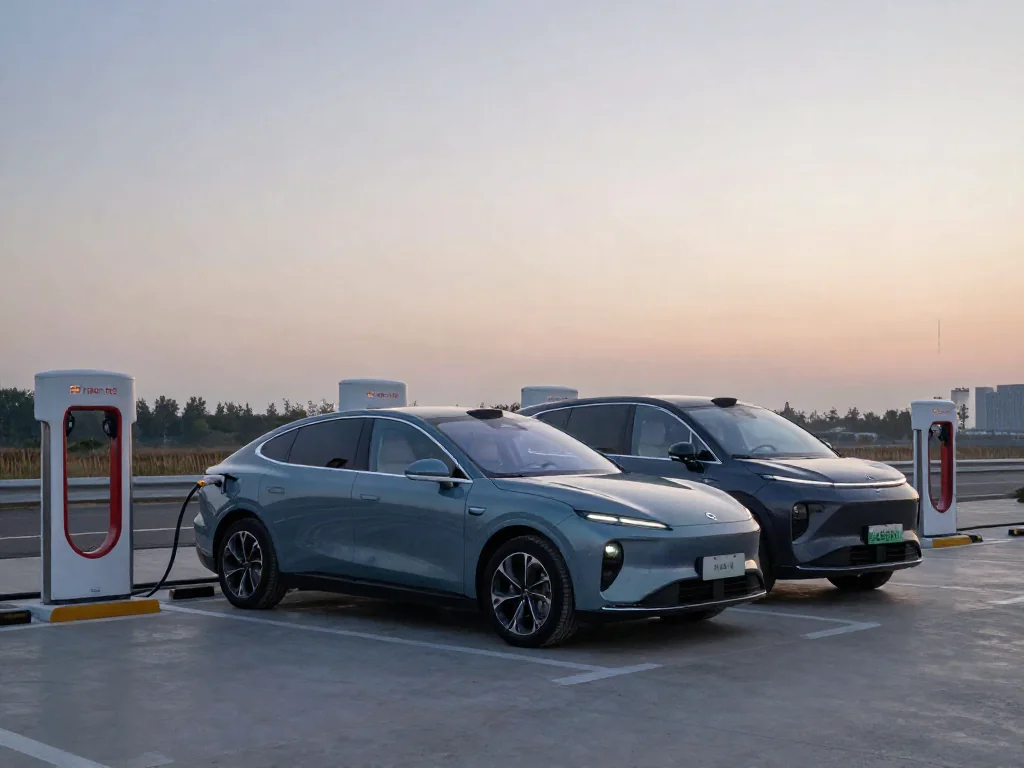
The Mercedes-Benz EV range now spans compact sedans, midsize SUVs, and a rugged icon, making official figures essential for comparison. The electric CLA, GLC, EQB, and G-Class each prioritize different goals, from efficiency to off-road capability. U.S. ratings use EPA testing, while European WLTP numbers often appear higher. Record-setting drives can also blur expectations. Understanding how aerodynamics, drivetrain, battery size, and real-world conditions affect range helps you choose the right electric Mercedes for your driving needs.
How Mercedes-Benz EV Range Is Rated and Where to Find Official Figures
In the United States, the range printed on an electric Mercedes window sticker comes from the EPA's standardized test cycles. These figures are meant to reflect mixed city and highway driving. European WLTP ratings, often quoted in global announcements, run higher and should not be compared directly with EPA numbers. When looking at any Mercedes EV range claim, confirm which testing standard is used to avoid unrealistic expectations.
Several configuration details change the rated range even within the same model. The battery size, rear-wheel or all-wheel drive, motor output, wheel diameter, and optional equipment all influence energy use. The most reliable sources are the window sticker for the exact vehicle, the official government fuel economy website, and the Mercedes-Benz USA specifications for that model year. Real-world range will fall below the rating in cold weather, at sustained highway speeds, with heavy climate-control use, or when towing and carrying heavy payloads.
Electric CLA Range: What the New Sedan Offers
The electric CLA is the new entry point for Mercedes-Benz EVs, built on a dedicated electric platform rather than a converted gasoline car. This architecture allows better packaging of the battery and more aerodynamic freedom. Design choices such as a sleek profile, smooth underbody, and optimized drivetrain efficiency directly affect how far the CLA can travel on a charge. However, official U.S. ratings have not been confirmed for every trim, so early European data should be treated as provisional.
The range for any electric CLA version depends on its battery size and motor configuration. Wheel size is a particularly important variable because larger wheels often increase rolling resistance and aerodynamic drag, reducing efficiency. Different trim levels and option packages can therefore show different EPA figures on the window sticker. Shoppers should check the rating for the exact CLA configuration they are considering, rather than assuming all versions of the new electric sedan perform the same.
CLA 350 Range: Understanding Trim-Level Differences
The CLA 350 designation points to a specific powertrain version within the electric CLA lineup, and its range may not match other trims. In general, a single-motor rear-wheel-drive setup tends to use less energy than a dual-motor all-wheel-drive configuration because there is only one motor drawing from the battery and less mechanical drag. The CLA 350 could be one of several variants, so its efficiency depends on the exact hardware fitted.
Before purchasing, confirm the CLA 350 range rating for the intended model year and U.S. market. On the window sticker, look for the official EPA range in miles alongside the combined MPGe and kWh per 100 miles figures. Because Mercedes sometimes updates specifications between model years or changes standard equipment, a figure from an early press release may not match the car on the dealer lot. The sticker is the best proof of what that particular CLA 350 can achieve under test conditions.
Electric GLC Range: What to Expect From the Midsize SUV
The fully electric GLC is a separate model from gasoline and plug-in hybrid GLC versions. A plug-in hybrid has a short electric-only range, which is not the same as the battery range of the dedicated electric GLC SUV. The all-electric GLC is larger and heavier than the electric CLA, and many versions will use dual-motor all-wheel drive. These factors increase energy consumption per mile compared with a smaller sedan.
Official EPA range figures for U.S.-market electric GLC models should be checked once they are published for the specific model year. Early announcements or European cycle numbers may overstate what American buyers will see on the window sticker. In daily driving, highway cruising at 70 mph or above can reduce range substantially because aerodynamic drag rises with speed. Cold weather and towing also draw more energy, so planning charging stops around actual conditions is wise.
Electric G-Class Range: Why the G-Wagon EV Has Different Priorities
The electric G-Class, or G-Wagon EV, is engineered for off-road ability and heavy-duty strength rather than maximum efficiency. Its boxy shape creates high aerodynamic drag, and the vehicle's substantial weight requires a large battery just to achieve moderate distance. The electric G-Class uses a four-motor setup with one motor per wheel, which delivers exceptional low-speed control for rock crawling but increases energy use compared with a single- or dual-motor design.
Off-road tires with aggressive tread patterns raise rolling resistance, further cutting range. Buyers should check the EPA-rated range for the specific U.S. model year, as figures from other markets or early prototypes may differ. Using low-range gearing on trails, adding roof loads, or driving through sand and mud can reduce real-world range well below the official number. The electric G-Class is about capability first, with range as a secondary priority.
Mercedes EQB Range: The Compact Three-Row EV
The EQB is Mercedes-Benz's compact electric SUV with an optional third row, which makes it unique for families needing extra seating without moving up to a larger model. Its upright body and available all-wheel drive affect efficiency, so range ratings can vary. A single-motor version typically uses less energy than a dual-motor all-wheel-drive model because one motor and no front drive hardware reduce weight and mechanical drag.
Since the EQB has been produced across several model years, specifications may have changed over time. Always check the EPA range for the exact year and configuration you are considering. Loading the vehicle with a full complement of passengers and using climate control on hot or cold days draws additional power, lowering the distance you can travel between charges. The optional third row adds weight and reduces energy efficiency slightly even when not in use.
Which Mercedes EV Goes Farthest and How to Read Range Record Claims
To find the longest-range Mercedes EV for a given model year, compare official EPA ratings for each model and trim. A large battery sedan will usually travel farther than a rugged SUV with the same battery size because of weight and aerodynamics. Shoppers should first calculate their typical daily miles, home or workplace charging access, and local climate. A car with a smaller official range may be completely adequate if you can charge overnight and rarely take long trips, while frequent road trippers may prioritize higher EPA range and fast charging speed.
Record-setting efficiency drives, such as concept cars or planned long-distance runs, take place under controlled conditions that don't match everyday driving. A record claim might involve a pre-production car on a closed course, driving at very low speeds, without climate control, and sometimes with special tires or software tuning. These conditions do not represent normal traffic or weather. A WLTP figure is closer to real-world driving than a record but still generally higher than an EPA number for the same vehicle.