Mercedes-Benz Differential Fluid: Specs, Intervals and Service Basics
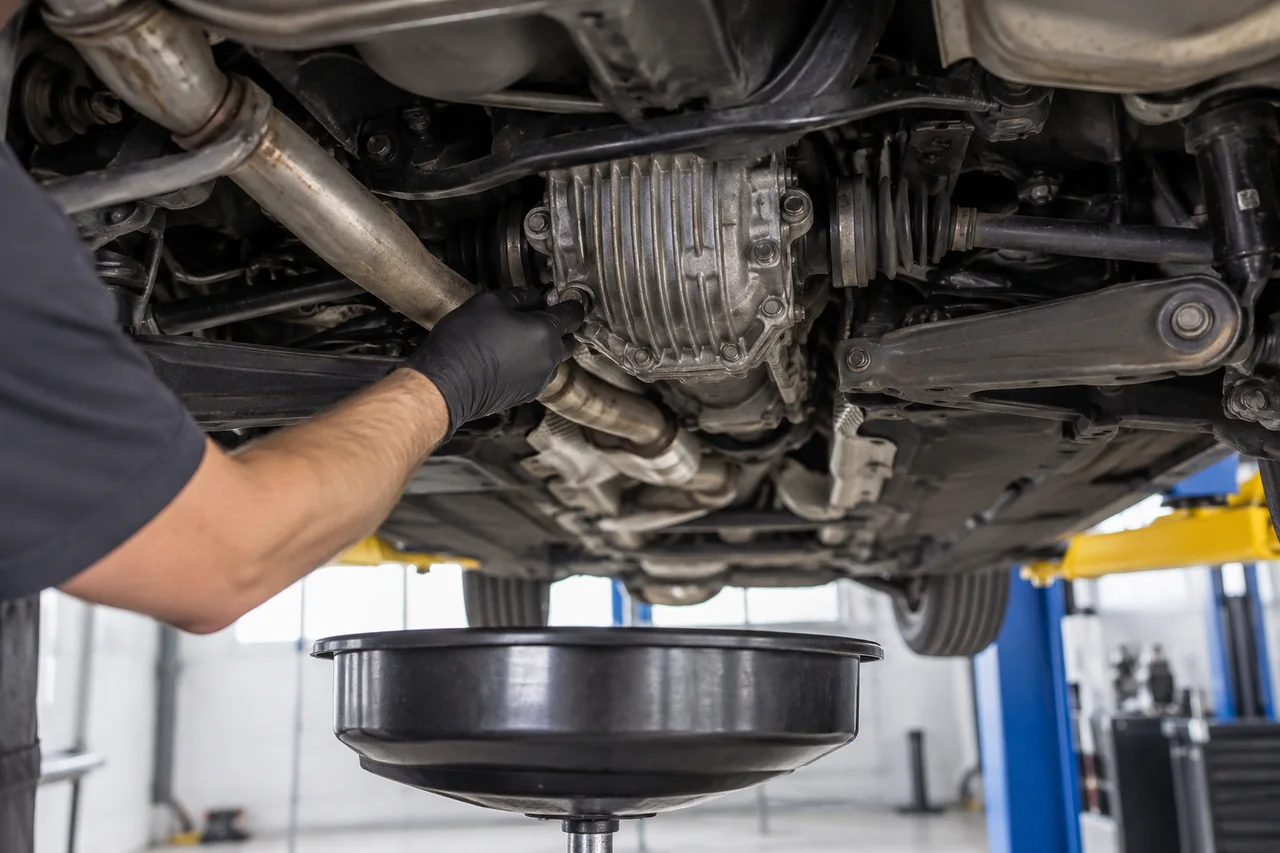
Mercedes-Benz differential fluid is a specialized gear oil that protects the gears and bearings allowing driven wheels to rotate at different speeds. Neglecting this fluid can cause whining, overheating, and costly axle damage. Whether you own a rear-wheel-drive sedan or a 4MATIC SUV with front and rear differentials plus a transfer case, correct fluid and service intervals are essential. This guide explains specifications, maintenance, warning signs, and what a change involves to keep your drivetrain reliable.
What Differential Fluid Does in a Mercedes-Benz Drivetrain
The differential is a gear set that lets the outside wheel travel farther than the inside wheel during a turn, preventing tire scrub and driveline stress. Differential fluid coats the ring and pinion gears, side gears, and bearings under high pressure, reducing friction and heat. Without clean, correct fluid, metal surfaces wear faster, clearances grow, and the axle can become noisy or fail.
On rear-wheel-drive Mercedes-Benz models, a single rear axle uses differential fluid. 4MATIC models add a front differential and often a transfer case, each requiring its own lubricant. Differential fluid is formulated differently from engine oil or automatic transmission fluid; it must withstand extreme pressure additives and specific viscosity requirements. Layouts vary by model and generation, so owners should verify their vehicle's exact drivetrain before planning any service.
Finding the Correct Mercedes Differential Fluid Specification
The owner's manual or Mercedes-Benz service information is the first place to find the required differential fluid. A dealer can also confirm the correct specification using your VIN, because even similar models may have changed axle designs or limited-slip units. Using the wrong fluid can reduce lubrication and lead to noise or damage.
Mercedes-Benz approves fluids against its own specifications, not just an SAE viscosity grade like 75W-90. Front and rear axles, transfer cases, AMG models, and limited-slip differentials can each require a different product, often with special friction modifiers. Generic cross-reference charts or 'universal' gear oils may not meet these demands unless the label explicitly lists the Mercedes approval for your vehicle.
How to Confirm the Differential Fluid Service Interval for Your Model
Many Mercedes-Benz maintenance schedules treat differential fluid as a lifetime fill or inspect-only item, so the owner's manual and service booklet are the authority. Hard use—towing, frequent short trips, track driving, off-road excursions, or deep water crossings—can break down the fluid sooner and justify earlier inspection or replacement.
A dealer or qualified technician can assess your driving conditions and service history. On a used Mercedes-Benz, check records to see whether the differential fluid was ever changed. Without documentation, a fluid analysis or visual inspection during another service can help decide. Avoid generic mileage or time recommendations not based on your specific model.
Warning Signs That Point to a Differential Fluid Problem
A failing or contaminated differential often announces itself through whining or howling that rises with road speed or changes pitch when you accelerate and coast. Clunking when shifting from drive to reverse can also point to excessive backlash from worn gears or low fluid. These noises differ from tire or wheel-bearing sounds, so noting when they occur helps diagnosis.
Safe visual checks after driving include wet spots or drips near the axle housing, a distinct heavy gear oil smell, or residue around the axle seals and vent. However, similar symptoms can come from wheel bearings, tires, driveshaft components, or mounts. Any persistent noise, visible leak, or metallic debris found during service deserves professional inspection, and a known heavy leak should not be driven far.
What a Mercedes Differential Fluid Change Involves
A differential fluid change generally starts with removing the fill plug first to ensure it can be reopened, then draining the old fluid through the drain plug, refilling to the specified level, and reinstalling both plugs. The exact fill level, plug torque, sealing washers, and filling method come from the vehicle's service information; some units are checked via the fill hole, while others use a dipstick or sight glass.
Proper vehicle support on a level surface is critical because the car must be raised to access the drain plug safely. Do not attempt the job with improvised supports. The old fluid and any metallic fuzz on the drain plug magnet reveal internal wear. Used gear oil must be disposed of at a recycling center. For 4MATIC systems, limited-slip units, or when you lack tools and a safe lift, a qualified shop is the better choice.
DIY or Professional Service: How to Decide
A DIY differential fluid change requires the correct Mercedes-approved fluid, a suitable drain pan, hand tools, and a safe way to support the vehicle. Accurate refilling matters, since overfilling can push fluid past seals and underfilling starves the gears. Without service information for your model, obtaining the proper specification and fill procedure can be difficult.
A professional shop can inspect seals, the axle vent, and listen for noises that indicate wear while the fluid is drained. They can also document the service for warranty or resale. Costs vary by model, drivetrain, and region, but keeping records of the exact fluid used and date helps future diagnosis and shows a potential buyer the drivetrain was maintained.