Mazda3 Ignition Coil Problems: Symptoms and Replacement
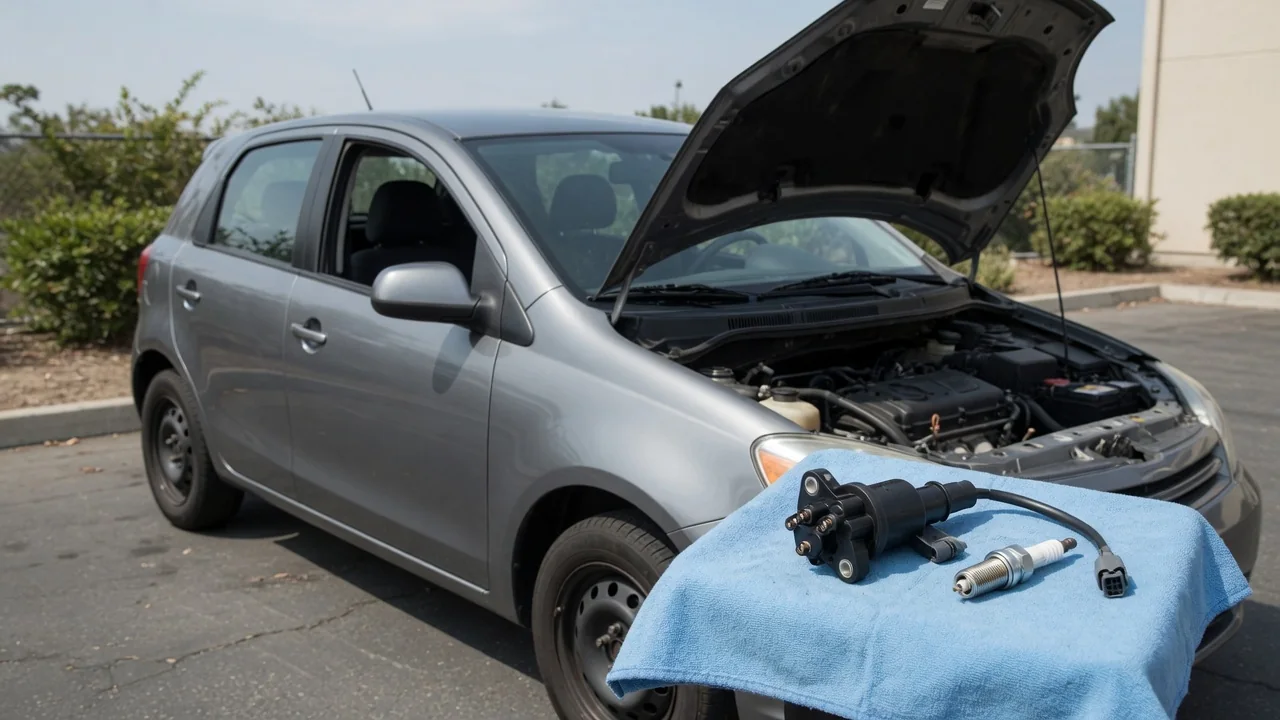
A failing ignition coil on a Mazda3 can turn a smooth drive into a shaky, hesitant trip. Coils transform battery voltage into the high-energy spark needed to ignite the air-fuel mixture. When one weakens, the engine may misfire, idle roughly, or lose power. Recognizing early signs helps prevent further damage. This guide explains symptoms, safe response, code interpretation, testing, and replacement considerations for the Mazda3 ignition coil.
Symptoms That Can Point to a Mazda3 Ignition Coil Problem
Rough idle often feels like an uneven stumble when stopped at a light, with the tachometer needle wavering slightly. Hesitation occurs when the driver presses the accelerator but the engine takes a moment to respond, as if starved for spark. Engine shaking is more pronounced and can be felt through the seat or steering wheel. Reduced power makes climbing hills or merging onto highways feel labored. These symptoms arise because a weak coil cannot consistently fire the spark plug, causing incomplete combustion in one cylinder.
Timing of symptoms can guide diagnosis. A coil that fails when cold may start the car roughly but smooth out as engine heat changes electrical resistance. Conversely, heat-soaked coils can break down after driving, causing misfires on a warm restart. Misfires under heavy acceleration suggest the coil cannot deliver enough voltage under load, while steady-speed misfires may point to a different issue. However, similar symptoms can come from fouled spark plugs, clogged injectors, damaged wiring, or low compression, so no single pattern proves a coil failure.
When to Stop Driving and Arrange Assistance
A flashing check engine light signals an active misfire severe enough to send unburned fuel into the exhaust. This fuel can ignite inside the catalytic converter, raising its temperature to damaging levels. Continuing to drive even a short distance risks melting the ceramic substrate, leading to an expensive repair. Pull over safely as soon as possible, turn off the engine, and arrange for towing or roadside assistance rather than limping the car home.
Severe shaking, major power loss, or a flashing warning light all justify stopping immediately. A steady check engine light is less urgent but still requires prompt assessment. It may indicate a stored misfire code from an intermittent problem, but the vehicle could develop a more dangerous condition at any time. Driving with a steady light should be limited to reaching a repair facility, and only if the engine runs smoothly and without noticeable performance loss.
What Misfire Codes Reveal About the Suspected Coil
Misfire codes follow a standard pattern. P0300 indicates random or multiple-cylinder misfires, meaning the engine control unit detected misfires that jump between cylinders rather than staying on one. P0301 identifies a misfire detected on cylinder 1, P0302 on cylinder 2, P0303 on cylinder 3, and P0304 on cylinder 4. On a Mazda3 with a four-cylinder engine, these codes map directly to firing order positions. A specific code like P0302 does not automatically mean the cylinder 2 coil is bad.
The code reports where the misfire was detected, not which component failed. A fouled spark plug, a leaking fuel injector, a burned valve, or low compression in that cylinder can all cause the same P030x code. Many Mazda3 models use coil-on-plug designs where one coil sits directly above each spark plug, but the engine computer cannot tell whether the coil, plug, or mechanical issue caused the misfire. Manufacturer-dependent codes exist, so confirming the exact vehicle-specific definition and diagnostic procedure in service information is essential before replacing parts.
When a misfire code appears, record stored and pending codes along with freeze-frame data before clearing anything. Freeze-frame captures engine RPM, coolant temperature, fuel trims, and vehicle speed at the moment the code set. This information can reveal whether the misfire occurred at idle, during warm-up, or under load. Pending codes indicate a fault that has not yet occurred enough times to turn on the check engine light. Clearing codes erases this evidence and makes intermittent problems harder to diagnose.
Safe Owner Observations and Professional Coil Testing
Before visiting a shop, document the model year, engine size, mileage, and any recent maintenance. Note when symptoms occur: cold start, after driving for a set time, under acceleration, or at highway speed. Include whether the problem began after recent work such as spark plug replacement or an engine wash. This information helps a technician focus testing on likely causes. Owner observations are valuable but cannot substitute for diagnostic measurements.
With the engine off and cool, visually inspect accessible ignition components. Look for cracks or burn marks on coil bodies, loose or corroded coil connectors, and moisture around spark plug wells. Water intrusion from a recent wash or coolant leak can cause misfires. Never unplug a coil while the engine is running; the high-voltage spike can damage electronic components or cause a severe shock. Exposed-spark tests by pulling a plug wire and holding it near the engine block are dangerous and not recommended. A professional uses scan tool misfire counters, resistance checks, and controlled spark testing to isolate ignition faults from fuel or compression problems.
Confirming the Correct Mazda3 Replacement Coil
Fitment confirmation is mandatory before selecting a replacement coil. Use the VIN, model year, and engine code from the underhood label or service information. Mazda3 models have used several engine families with different coil designs and connector shapes. A coil that looks similar in photos may have a different dwell time or mounting tab. Appearance alone does not establish compatibility. Check the original part number and cross-reference it with the manufacturer's catalog or dealer parts system.
Inspect the corresponding spark plug and connector before installing a new coil. A worn spark plug with a wide gap forces the coil to work harder and can cause premature failure. Oil or coolant contamination in the plug well should be cleaned and the source repaired, or the new coil may fail soon after. Replacing one failed coil is typically sufficient unless diagnostic testing shows others are weak. Coils do not have a synchronized lifespan, so replacing all of them 'while you're in there' often wastes money and introduces unnecessary parts.
Replacement Planning and Checks After the Repair
Replacement planning starts with accessing the coil. On many Mazda3 engines, coils are under an engine cover and require removing a few fasteners. Service information specifies torque values for coil mounting bolts and connector release methods. Coil-on-plug designs may require a gentle twist to break the seal before pulling up. Handle coils by the body, not the connector, and keep the area clean to avoid dropping debris into the spark plug well. Proceed only with the specific repair instructions for your engine.
A repair estimate may include diagnosis time, the confirmed faulty coil, labor, and separately justified related repairs such as spark plugs or a valve cover gasket. Prices vary widely by region and shop, so request an itemized quote. After installation, start the engine and confirm smooth idle. A test drive under the same conditions that triggered symptoms should show no hesitation or misfire. Clearing codes is not proof of repair; the vehicle must complete its readiness monitors and show no returning codes over several drive cycles. Persistent symptoms after coil replacement require renewed diagnosis rather than assuming the new part is defective.