Mazda3 and Mazda6 EGR Valve: Location, Symptoms and Service
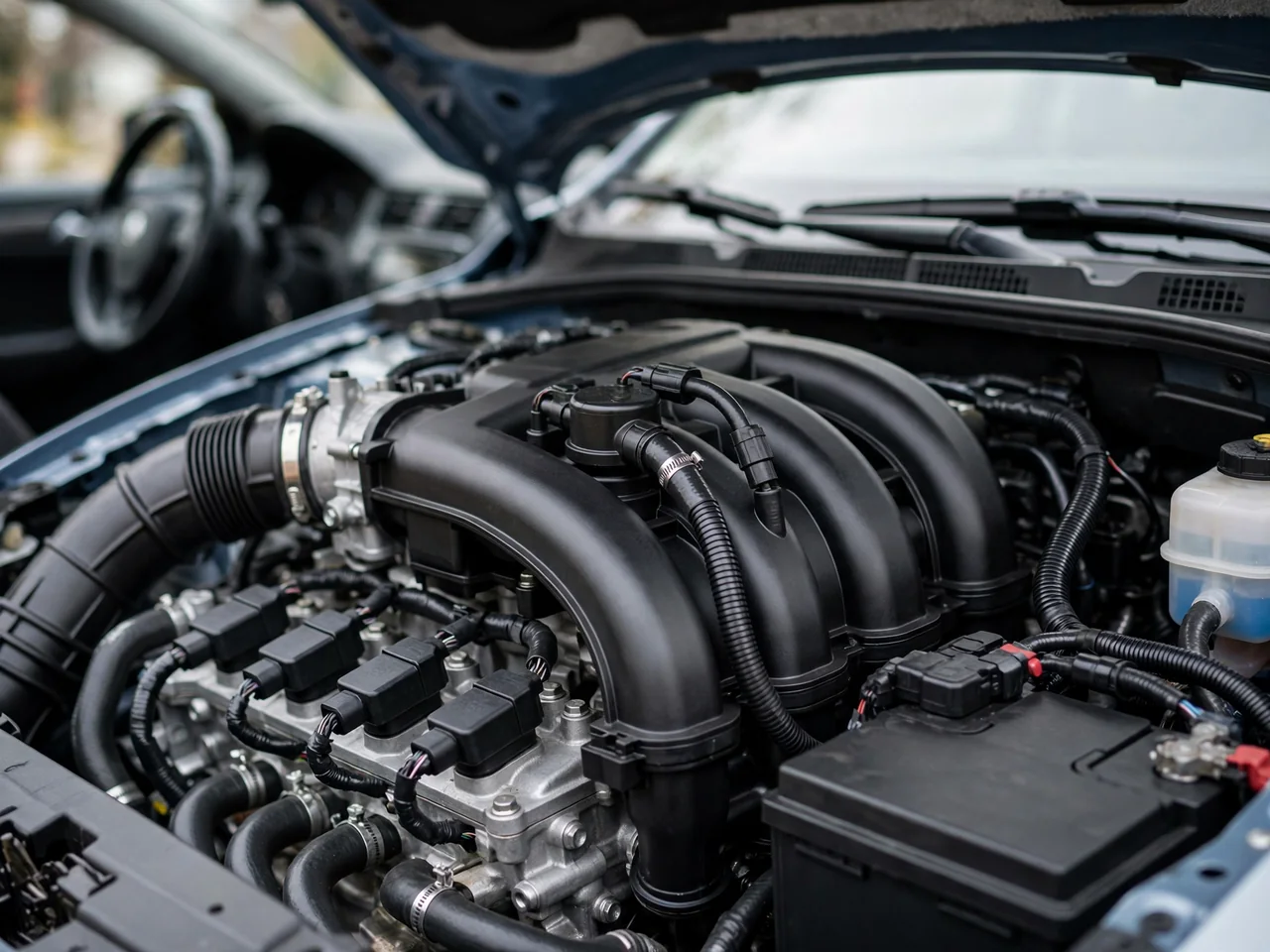
A rough idle, hesitation, or an illuminated check engine light on a Mazda3 or Mazda6 can sometimes point to the exhaust gas recirculation (EGR) system. The EGR valve routes a small amount of exhaust into the intake manifold to lower combustion temperatures and reduce emissions. When carbon buildup restricts flow or the valve sticks, you may notice drivability complaints and EGR-related fault codes. Understanding where to find the valve and how to interpret symptoms can guide the right fix.
Finding the EGR Valve on a Mazda3 by Generation and Engine
On a Mazda3, EGR valve placement depends on model year and engine family, and not every version uses a separately serviceable external valve. SkyActiv gasoline engines, for example, often manage exhaust gas recirculation internally through valve timing rather than a conventional bolt-on EGR valve. Owners should identify their exact engine using the VIN, the emissions label under the hood, or the owner's manual before looking for a component that may not exist in the expected form.
For engines with an external EGR valve, it is generally mounted near the intake manifold or cylinder head, where exhaust gas can be mixed with incoming air. Because engine covers and intake plumbing can hide it, view from the top may be limited. For the exact location, consult a factory service manual or a dealer parts diagram keyed to the VIN. Always inspect with the engine off and fully cool, and avoid removing covers or disconnecting anything just to locate the part.
Locating the EGR Valve on a Mazda6 and Why Engine Choice Matters
Mazda6 EGR hardware varies by generation and engine, so a single diagram cannot cover every car. Gasoline and diesel engines sold in different markets use EGR systems built differently; a diesel EGR cooler and valve assembly looks nothing like a gasoline valve. US owners should confirm which engine their car actually has, because online videos or forum posts often show a different market or powertrain.
Check the emissions label under the hood, decode the VIN, or use a dealer parts lookup before buying any part or following instructions for another engine. Even on the same engine, intake plumbing, engine covers, or other components may block the view, so the valve may be hard to see from above. Without source data confirming a mounting position, avoid assuming a location based on a picture from another Mazda6.
Warning Signs of a Clogged or Sticking EGR Valve
A clogged or sticking EGR valve often produces drivability complaints such as rough or unstable idle, hesitation on acceleration, stalling at low speed, or pinging under load. A valve stuck open can upset idle by diluting the intake charge too much, while one stuck closed or blocked may raise combustion temperatures and cause knock under load. Carbon buildup from short trips and mostly low-speed driving can restrict flow gradually.
However, vacuum leaks, dirty throttle bodies, ignition faults, and sensor problems can create identical symptoms, so symptoms alone cannot confirm an EGR fault. Owners should note when symptoms appear, whether the check engine light is on, and if it is steady or flashing. A flashing light signals an active misfire that risks catalytic converter damage, so that condition requires prompt attention regardless of the suspected cause.
EGR-Related Trouble Codes and How to Read Them Correctly
P0400-series generic OBD-II codes describe EGR flow or circuit conditions, but exact wording and test logic differ by manufacturer and model year. A code like P0401 may mean insufficient flow on one vehicle, while a Mazda-specific scan tool could show a different definition. Always check the meaning for your exact vehicle using a service manual, dealer information, or a scan tool with Mazda-specific definitions; never assume one universal interpretation.
An EGR flow code does not prove the valve itself failed. Blocked passages, wiring faults, connectors, differential pressure sensors, or the engine computer can set the same code. Write down freeze frame data and all stored codes before clearing anything, because clearing erases diagnostic information a technician needs. If the check engine light is flashing, the engine is misfiring in a way that can damage the catalytic converter; have it checked promptly.
Cleaning Versus Replacing a Mazda EGR Valve
Cleaning an EGR valve may help when carbon buildup restricts a valve that still moves and responds electrically, but replacement is more likely when an internal motor or position sensor has failed. Many modern EGR valves are electronically controlled and require a scan tool to test, relearn, or confirm operation after service. Without proper testing, cleaning a faulty electronic valve wastes time and may not resolve the code.
Avoid spray cleaners or tools that could damage internal sensors, seals, or electronic parts; no step-by-step removal or cleaning instructions are provided here. Confirm the correct replacement part by VIN, because parts are rarely interchangeable across all Mazda3 and Mazda6 models or several years. Emissions components may also carry warranty coverage or inspection rules that vary by state, so check warranty paperwork before paying for repairs out of pocket.
When to Hand an EGR Problem to a Professional
Professional testing is warranted when codes return after clearing, symptoms exist without any stored code, or the vehicle fails an emissions inspection. A repair shop can perform live data checks, commanded valve tests, smoke testing for intake or vacuum leaks, and inspect EGR passages for blockage. These diagnostics go beyond what a basic code reader or multimeter can reveal and help avoid replacing parts unnecessarily.
Exhaust components get extremely hot and remain hot after shutdown, and working near a running engine involves real risk. Bring notes on symptoms, driving conditions, recorded codes, and freeze frame data to reduce diagnostic time. Never remove, block, or disable the EGR system; it is part of emissions control, and tampering can break federal and state regulations, potentially voiding warranties or causing inspection failure.