Mazda RX-8 Ignition Coil Failures Explained
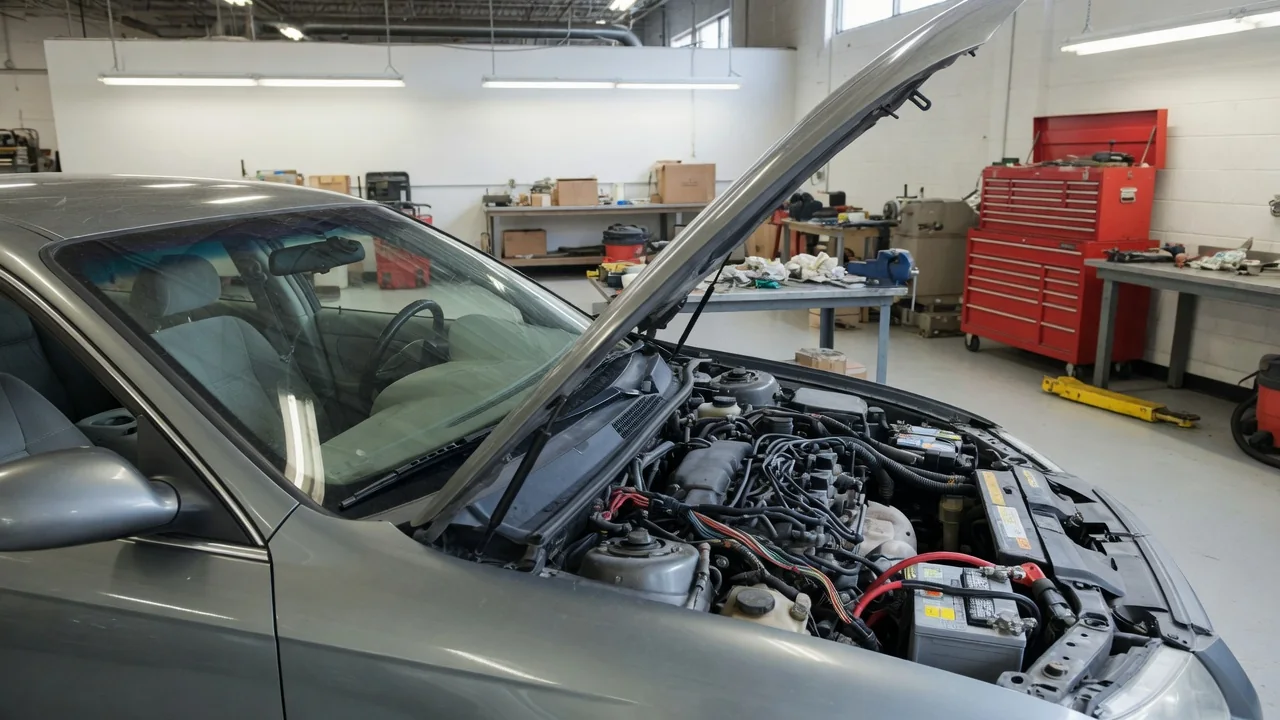
The Mazda RX-8’s rotary engine depends on precise ignition timing to burn fuel efficiently, and the ignition coils are central to that job. When a coil weakens, the engine can misfire, idle roughly, or become hard to start. Because rotary designs run hot and rev high, ignition components face demanding conditions. This article explains how coil issues develop, which symptoms warrant attention, and which diagnostic steps help confirm the real fault before parts are replaced.
What Ignition Coils Do in the RX-8 Rotary Engine
Ignition coils transform the vehicle’s low battery voltage into the high-voltage pulse that jumps across a spark plug gap. In the RX-8 rotary, two spark plugs per rotor chamber fire in sequence—leading and trailing. The leading plug starts combustion earlier in the chamber, while the trailing plug ignites remaining mixture for more complete burning. Proper coil operation is essential for consistent flame propagation in the long, narrow rotary combustion space.
If a coil cannot deliver a strong spark, combustion may be weak or absent in one chamber. The engine management system may detect a misfire and illuminate the check engine light, but the driver may first notice rough running or power loss. Before discussing coil locations or replacement parts, a technician should confirm the model year and applicable ignition specifications, because wiring and component variants can differ across RX-8 production.
How Coil Deterioration Can Affect Ignition
Rotary engines generate substantial heat near the spark plug wells, and coils must withstand repeated thermal cycling. Over time, insulation inside a coil can break down, allowing high voltage to leak to ground instead of reaching the plug. Loose or corroded electrical connectors can also increase resistance, weakening the spark. These are plausible deterioration mechanisms, but they do not prove every RX-8 coil will fail at a given mileage.
Spark plug condition and ignition wiring affect how hard coils must work. Worn plugs with an enlarged gap require more voltage to fire, stressing coil insulation. Cracked or carbon-tracked plug boots can bleed energy away from the gap. While these findings may point to ignition stress, they cannot identify a failed coil on their own. A misfire could also stem from a fuel injector, low compression, or a control circuit problem.
Symptoms That Warrant an Ignition Check
Common complaints linked to weak ignition include a rough idle that feels like intermittent stumbling, hesitation when accelerating, hard starting after sitting, and reduced power at higher rpm. The check engine light may stay on or flash during active misfire. These symptoms are useful clues, but they do not isolate a defective coil. Fuel pressure, intake leaks, engine compression, spark plugs, and wiring can all produce similar behavior.
A flashing check engine light signals severe misfire that can overheat the catalytic converter. If the engine shakes violently or loses power abruptly, the driver should stop safely and arrange assistance. Continuing to operate the vehicle risks expensive exhaust damage. For less alarming symptoms, recording when they occur—cold start, warm idle, or steady cruise—helps a technician focus testing on the most likely systems.
Safe Observations to Record Before a Shop Visit
Before visiting a shop, note whether roughness appears immediately after starting, improves as the engine warms, or surfaces only under load. Avoid deliberately provoking a severe misfire just to document it. Observing normal driving patterns is enough. Also, if a scan tool is available, record stored and pending diagnostic codes and any freeze-frame data, which often shows engine speed and temperature during the fault.
Owner inspection should be limited to what can be seen with the engine off and cool. Look for loose coil connectors, damaged wiring insulation near the coils, or oil accumulating in the spark plug wells. Do not perform live ignition tests, disconnect running-engine components, or create improvised spark checks. High voltage can cause injury, and deliberate misfire can damage emission components. This information gives the technician a cleaner starting point.
How Professional Testing Confirms a Coil Fault
A professional diagnostic starts by reading codes, but each code must be verified for the specific vehicle and model year. Some manufacturer-dependent codes point to a particular cylinder or rotor, while others indicate a circuit fault rather than a combustion event. Simply seeing a misfire code does not reveal whether the coil, plug, wire, connector, or control signal is responsible. The code narrows the search, not the answer.
Technicians should check coil power and ground circuits, control signals with an oscilloscope when available, and inspect connectors, plugs, and leads using applicable service procedures. Comparing the spark waveform to a known good pattern can expose weak coils. If ignition components test within specification but misfire persists, fuel delivery or rotary-engine compression testing may be needed. Replacing more coils without addressing low compression or a lean condition will not fix the root cause.
Replacement Timing and Checks After Repair
Replacement timing should follow applicable Mazda guidance and the condition found during diagnosis. A technician may recommend replacing a confirmed faulty coil immediately. However, there is no universal mileage interval that applies to all RX-8s, because operating environment and heat history vary. The decision to replace one coil or the full set depends on confirmed faults, component history, and whether the other coils show similar aging.
When planning a repair, confirm that any replacement part fits the specific vehicle and review associated plugs, leads, and connectors for wear. After installation, the technician should verify that symptoms have resolved by road testing under conditions that previously triggered the fault. Clearing codes alone does not prove success, because the computer may simply take time to re-run monitors. A follow-up scan after normal driving can confirm no returning faults.