Mazda Miata Differential Fluid: NA, NB and Later Generations
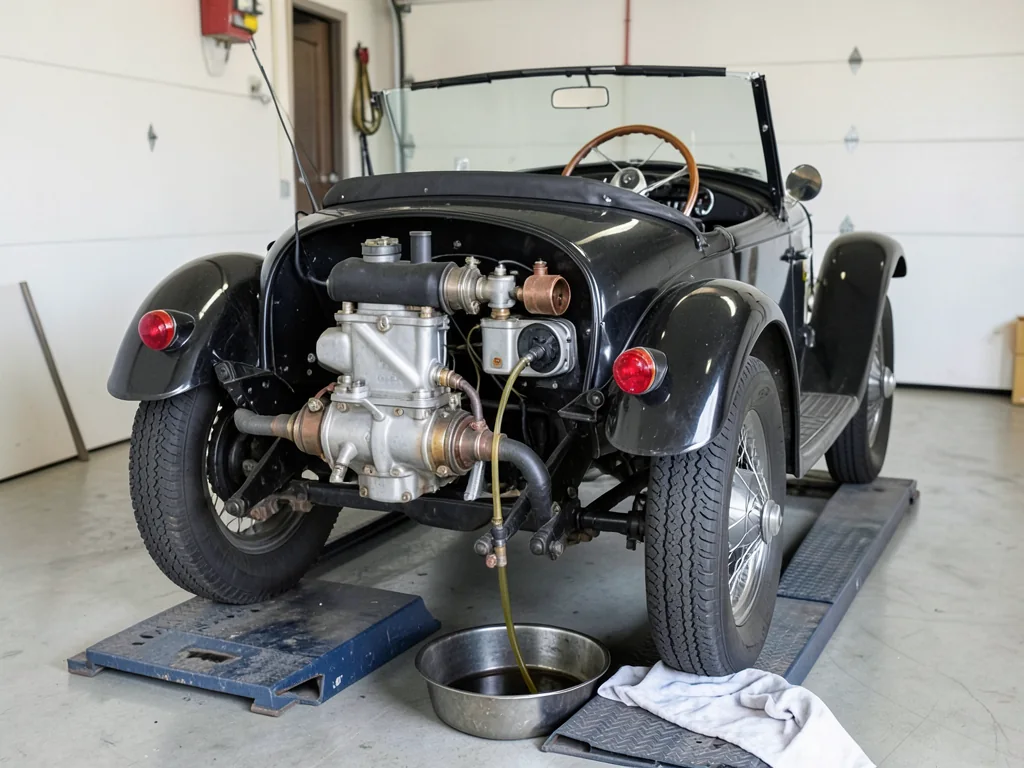
Choosing the right Mazda differential fluid for your Miata can prevent costly damage and keep the rear axle running smoothly. Whether you drive an NA, NB, NC, or ND, the rear differential has unique lubrication needs. This guide explains the role of gear oil, distinguishes differential types, and covers fluid selection, capacity, and service signs. Knowing the correct specification for your MX-5 rear differential—especially if it is a limited-slip unit—helps you maintain performance and avoid issues like differential whine or premature wear.
What Mazda Differential Fluid Does in a Rear-Drive Miata
In a rear-drive Miata, the differential splits engine torque between the rear wheels while allowing them to rotate at different speeds during cornering. Inside, hypoid gears mesh under extreme pressure, needing a dedicated gear oil that clings to surfaces and resists squeezing out. Engine oil or transmission fluid lacks the extreme-pressure additives found in a proper API GL-5 gear oil, so using them can lead to scoring and noise. Always use a lubricant designed for hypoid gears rather than a multi-purpose fluid.
Over time, differential fluid degrades from heat cycles, mechanical shearing, moisture ingress, and the buildup of fine metal particles from normal wear. This reduces its ability to protect gears and can make the unit noisier or increase friction. However, there is no universal change interval; Mazda provides service guidance for each generation and differential type. Check your owner's manual or official Mazda service information for the correct schedule. Remember the differential is separate from the transmission, with its own fill plug, drain plug, and fluid supply.
NA Miata Differential Fluid: Identifying Your Differential Before Buying Oil
NA Miatas came with different rear differentials depending on model year, trim, and optional packages. The 1.6-liter cars often used a smaller unit, while later 1.8-liter cars may have a larger one, and some were open differentials while others were limited-slip. Because fluid compatibility can differ, you must identify the actual unit before buying oil. Relying on generic “NA Miata differential fluid” advice can lead to the wrong viscosity or missing LSD friction modifier.
Safely confirming your differential type may involve checking the vehicle build information, original window sticker, or a metal tag on the housing. Some units have casting marks or a specific shape that a Mazda specialist can recognize. Keep in mind that a 30-year-old car may have had the differential swapped, so factory records may not reflect what is installed now. Limited-slip units often require a different fluid or an additive, and this requirement must be verified for the specific unit rather than guessed.
NB Miata Differential Fluid: What Changed and What to Double-Check
NB Miatas continued to use more than one differential design, with variations by year and trim. For example, some NB models have a Torsen limited-slip or an open unit, and the correct gear oil may differ. Do not assume an NB requires the same fluid as an NA or as another NB. Always consult the NB owner's manual or official service information for the recommended gear oil viscosity grade and API specification, rather than relying on forum shorthand like “any 75W-90 will do.”
If an NB has a swapped or aftermarket differential, the fluid recommendation should come from the differential's manufacturer, not the factory Miata specification. Aftermarket LSDs may need a particular friction modifier or a different viscosity. Also, many NB cars have unknown service histories, so a first fluid inspection and change provides a useful baseline. Draining the old oil lets you look for metal and gives the differential a fresh start with a known, correct lubricant.
Choosing Miata Differential Fluid for Any Generation, Including NC and ND
When choosing gear oil, the viscosity grade and API service category on the bottle must match the specification for your Miata. Viscosity affects cold-temperature flow and high-temperature film strength, while the API GL-5 rating indicates the oil contains the extreme-pressure additives needed for hypoid gears. A mismatch can cause shifting-like notchiness, overheating, or bearing noise. Always verify the exact grade, such as 75W-90, against the owner's manual for your generation.
Limited-slip differentials sometimes need a friction modifier to prevent chatter during tight turns. Some gear oils already contain LS additives, while others require a separate bottle. Adding extra friction modifier when it is not needed can reduce the limited-slip's locking effect. NC and ND Miatas must be checked against their own documentation, as their requirements may differ from earlier cars. Avoid mixing unknown fluids or adding extra additives unless the specific differential manufacturer or Mazda calls for it.
Confirming Differential Fluid Capacity and the Correct Fill Level
Differential fluid capacity varies by Miata generation and differential type, so do not rely on a single universal figure. The owner's manual or official service data for your specific car is the best source. An NA 1.6 differential may hold less than an NB or NC unit. Buying fluid based on an approximate number from a forum can leave you short, so confirm the exact amount before starting the job.
To set the correct fill level, fill the differential until gear oil just reaches the bottom edge of the fill plug hole with the car sitting level. If the car is tilted, the fluid level will be wrong and the unit may be under- or overfilled. It is wise to purchase slightly more fluid than the listed capacity to account for spills or pump losses. Measuring the drained fluid can give a rough idea of the previous amount, but old fluid may have leaked or evaporated, so it does not replace checking the fill hole.
Signs Your Miata Differential Needs Attention and When to See a Specialist
Pay attention to signs that the rear differential needs service. A whine or howl that changes with road speed often points to worn gears or bearings. Clunks when getting on or off the throttle can indicate excessive backlash or worn mounts. On a limited-slip unit, chatter or shudder during tight turns may mean the LSD friction modifier has broken down or the oil is wrong. Oil seeping around the fill plug, drain plug, or axle seals is a clear sign of a leak.
Drained fluid can offer clues but has limits. A fine metallic haze on a magnetic drain plug is normal, while larger fragments or a silvery paste suggest serious wear—yet neither is proof of imminent failure. Noises can also come from wheel bearings, driveshaft U-joints, half shafts, or mounts, so changing the differential fluid may not solve them. If noises persist after a fluid change, leaks are significant, or you cannot confirm the differential type and correct fluid, have a specialist inspect the car.
Practical Tips for a Smooth Miata Differential Fluid Change
Before draining the old fluid, always loosen the fill plug first. If you drain the differential and then discover the fill plug is seized or rounded, you may be unable to refill it, leaving the car stranded. Use the correct tool and apply penetrating oil if needed. Working on a level surface with the car securely supported on jack stands—never a jack alone—is essential. Only attempt the job if you are confident in the procedure and have proper equipment.
Gather supplies like a fluid pump or squeeze-bottle adapter, a drain pan, rags, and new crush washers or sealant if required by the service information. Clean the fill and drain plugs and check the magnetic drain plug for metal debris before reinstalling. Tighten the plugs to the torque specified in the manual rather than guessing, as overtightening can crack the housing. Dispose of used gear oil at a recycling center, and record the date and fluid used for future service.