Mazda CX-5 Check Engine Light: Causes and First Checks
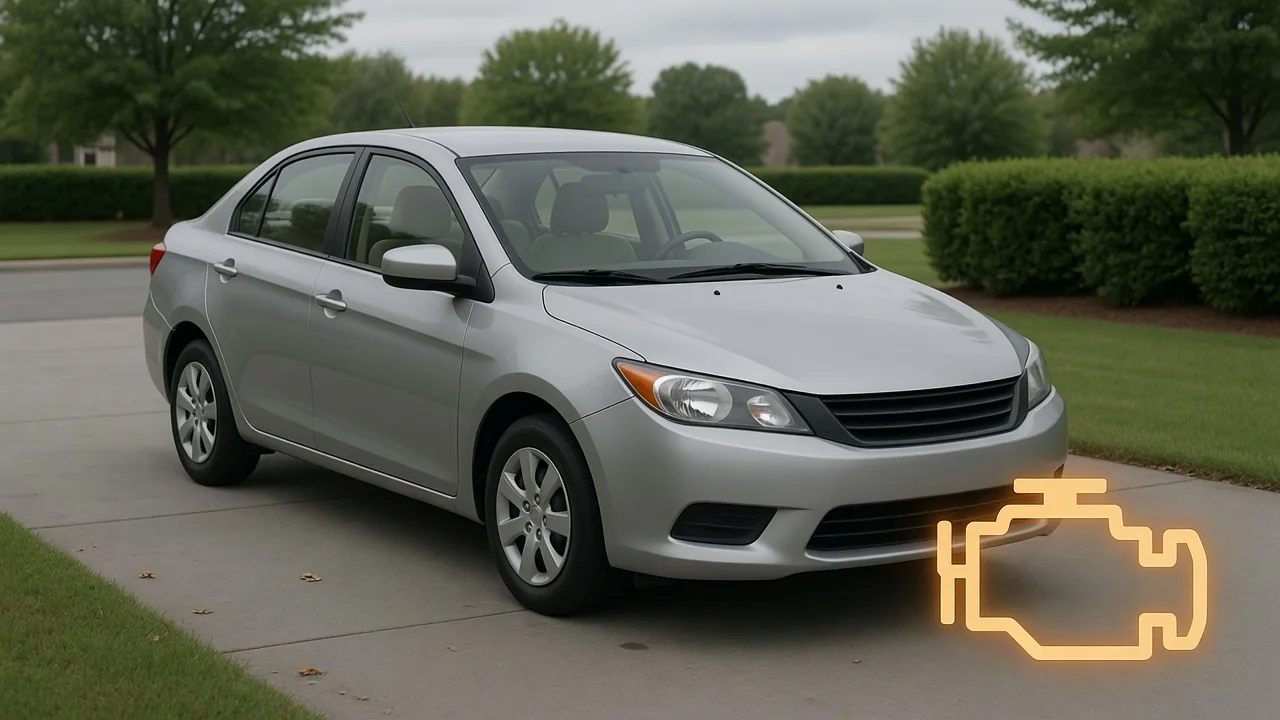
A check engine light on a Mazda CX-5 means the control module detected a condition that could affect drivability or emissions. CX-5, CX5, and CX 5 badges use the same malfunction indicator light, and the symbol does not identify a failed part. Start by confirming model year, engine, fuel type, and market so later checks match the vehicle you actually drive.
What the Check Engine Light Means on Your CX-5
On a Mazda CX-5, the check engine light is the malfunction indicator light for the engine-management and emissions monitors. When those monitors detect a condition outside the calibrated range, the lamp comes on and diagnostic trouble codes are stored. The icon does not name a sensor, converter, cap, or wiring fault. A Mazda CX 5 check engine light is therefore a prompt to gather vehicle details and scan data, not a diagnosis of a single failed part.
A brief illumination during the key-on bulb check is normal and should go out after the engine starts. A check engine light on a Mazda CX-5 that stays on after start-up, or returns while driving, is the stored-fault indication. Before interpreting any configuration-specific behavior, confirm the model year, engine family, gasoline or diesel fuel type, and the market the vehicle was built for. The corresponding owner's manual describes the lamp, related warnings, and the intended response for that exact CX-5.
When to Stop Driving and Arrange Assistance
A flashing check engine light is treated differently from a steady lamp. On many engine-management systems, flashing can indicate an active engine misfire that may send unburned fuel into the exhaust and overheat a catalytic converter. If the Mazda CX-5 check engine light flashes, reduce demand, pull over when it is safe, and arrange assistance rather than continuing at speed. Do not attempt roadside ignition or fuel-system repairs. Leave further diagnosis to a qualified technician once the vehicle is in a safe location.
Stop driving and shut the engine off if you feel severe shaking, a major loss of power, see smoke, notice overheating, or if an oil-pressure warning appears with the check engine light on a Mazda CX-5. Those signs point to conditions that can worsen quickly. A steady check engine light without obvious symptoms still needs prompt diagnosis. The absence of a shake or a stall does not prove a trip is safe, because some emissions and fuel-trim faults remain quiet until they progress.
Possible Faults Behind a CX-5 Check Engine Light
On applicable gasoline CX-5 models, a loose, missing, or damaged fuel cap can allow vapor leaks in the evaporative emissions system, and the check engine light on a Mazda CX 5 sometimes appears after refueling. Other evaporative leaks at hoses, valves, or the canister path can set similar monitors. That pattern is a possibility, not a confirmation. Diesel exhaust aftertreatment issues belong only to a verified diesel configuration and should not be assumed for a gasoline CX-5.
Ignition, fuel-delivery, or air-metering problems can produce an engine misfire, rough idle, hesitation, or fuel-trim related diagnostic trouble codes. Oxygen-sensor circuit and catalyst-efficiency results are likewise diagnostic categories, not proof that the named sensor or converter has failed. Wiring, connectors, exhaust leaks, and mixture control can create the same stored conditions. No ranking of CX-5 causes is implied here, because failure frequency varies by year, engine, and use. Testing, not the lamp or the code label, identifies what actually needs repair.
Safe First Checks Before a Service Visit
Before a service visit, write down whether you have a steady check engine light or a flashing check engine light, when it first appeared, and any change in starting, idle quality, acceleration, or fuel consumption. Note recent refueling, maintenance, battery work, or other warning lamps as context only. Timing near a fill-up or a jump-start can be useful history, but it does not prove the cause of a Mazda CX-5 check engine light.
If a fuel cap is fitted, inspect it with the engine off and the vehicle parked. Confirm it is fully seated and that the visible seal is not cracked or missing, following the owner's manual for that CX-5. Tightening or replacing a cap may not turn the lamp off immediately, because the evaporative monitor may need additional drive cycles. Limit yourself to safely accessible observations with a cool engine. Disassembly, fuel-system work, and electrical testing belong with a qualified technician.
Use Scan Results to Guide Diagnosis
A scan of the Mazda CX-5 check engine light should capture stored and pending diagnostic trouble codes plus freeze-frame data. Freeze-frame snapshots record operating conditions at the moment the fault was detected, which helps a technician recreate the event. Pending codes show monitors that have not yet matured into a confirmed lamp request. Together they document what the control module saw, not which part has failed, and they remain useful even when drivability feels normal.
Each code must be verified for that CX-5's model year, engine, and market before interpretation, especially manufacturer-dependent definitions that do not match generic lists. Codes identify a monitored condition or an affected system. They must be evaluated with symptoms, fuel-trim behavior, and test results before any part is replaced. Preserve the codes and freeze-frame data before clearing memory or disconnecting the battery, because lost records make a returning check engine light on a Mazda CX-5 harder to interpret.
What to Bring to the Shop and How Repairs Are Confirmed
Bring the shop the CX-5 configuration, including model year, engine, fuel type, market, and current mileage, along with the exact diagnostic trouble codes. Note whether the Mazda CX-5 check engine light was steady or flashing, what you felt while driving, and any recent service or battery work. That history lets a technician choose tests that match the evidence. Follow-up work may include wiring inspection, intake or evaporative leak checks, fuel-delivery evaluation, and live sensor data, depending on the stored conditions.
Repair confirmation is more than turning the lamp off. A technician should recheck the original fault and the relevant monitor results after the repair, because clearing the check engine light on a Mazda CX-5 does not prove the condition is gone. If the light returns or new symptoms appear, report that promptly and bring the new scan data. Apply the same stop-driving guidance if the lamp flashes again or if severe shaking, power loss, smoke, overheating, or an oil-pressure warning develops.