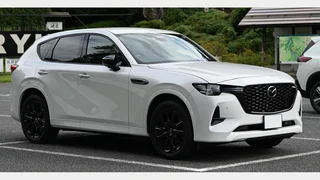
Mazda CX-5 by Year: Generations, Model Years and Key Changes
The Mazda CX-5 is a compact crossover SUV that Mazda has sold in the US since the 2013 model year. Going through the CX-5 by year is easiest by generation. Each generation shares a basic platform, body and design. Within a generation, the changes are smaller: refreshes, new powertrain options and trim lineup updates. This guide outlines the Mazda CX-5 model years by generation for the US market. It explains what usually changes from one year to the next and how to confirm exactly which version a particular vehicle is.
The Short Answer: CX-5 Generations by Year
In the US, the CX-5 has come in three generations. The first covers roughly the 2013 to 2016 model years. The second began with the 2017 model year and was produced for most of the following decade. A third generation was revealed in 2025. Its US timing and specification should be checked against the specific vehicle, because the changeover between generations can overlap with carryover stock, and launch details vary by market.
Generation | Approximate US model years | Main points; First generation | 2013–2016 | Original Skyactiv-era design; 2.0-liter and later 2.5-liter four-cylinder engines; mid-cycle refresh late in the run; Second generation | 2017 through the mid-2020s | Redesigned body and interior; 2.5-liter engine as the core; turbocharged option added later; trim lineup expanded; Third generation | Revealed in 2025; US availability depends on market rollout | New design, larger size and updated infotainment; powertrain details should be confirmed per market and model year
The year ranges above are general guidance. Exact start and end points can differ depending on whether you count by model year, build date or sale date. The sections below explain why that matters.
First Generation (About 2013–2016)
The first-generation CX-5 was among the first Mazda models built around the company's Skyactiv approach. Skyactiv is Mazda's umbrella name for engines, transmissions, body structure and chassis developed together to improve efficiency and driving feel. Mazda offered the CX-5 as a five-seat crossover in front-wheel drive and all-wheel drive.
Early model years used a 2.0-liter four-cylinder engine. A 2.5-liter four-cylinder was added shortly afterward and became the mainstream choice on higher trims. A manual transmission was available on some early base front-wheel-drive versions. Most CX-5s of this generation use an automatic. The common US trim levels were Sport, Touring and Grand Touring. Equipment rose with each step. Late in the generation, a mid-cycle refresh updated styling and equipment, including Mazda's newer infotainment system. Some 2016 vehicles are pre-refresh and others are post-refresh, so the model year alone does not settle which one you have.
Second Generation (2017 Model Year Onward)
The second-generation CX-5 kept the same basic formula: a five-seat compact crossover with the same overall body style. The design, cabin and refinement were all new. This generation covers the largest span of CX-5 model years, so year-to-year changes matter more when comparing used examples.
The 2.5-liter four-cylinder is the core powertrain. Mazda later added cylinder deactivation, which shuts down some cylinders under light load to save fuel. A turbocharged 2.5-liter engine arrived partway through the generation, initially on upper trims, and gave noticeably stronger performance. A diesel version was offered in the US only briefly and in small numbers. It is uncommon on the used market. The trim lineup grew over time. Later years added more named trims and special editions above and around the original Sport, Touring and Grand Touring structure. In later model years, Mazda made all-wheel drive standard across the US lineup. Front-wheel drive is mainly found on earlier second-generation vehicles. Styling and equipment updates arrived during the run, including a refresh with revised exterior details and updated driver-assistance and infotainment features.
Trims and standard features were reshuffled often during the second generation. Avoid assuming a feature is present based on the trim name alone. The same trim name can carry different equipment in different years, so compare the window sticker or original build specification for the exact year.
Third Generation (Revealed 2025)
Mazda revealed the third-generation CX-5 in 2025 with a new exterior, a larger footprint and a reworked interior built around updated infotainment. Powertrain availability, trim names and the first US model year depend on the market rollout. Check them for the specific vehicle rather than assuming they match early announcements or other regions. Some markets may receive different engines or electrified variants at different times.
Model Year vs. Build Date
The model year is the year the manufacturer assigns to a vehicle for registration and specification purposes. The build date is when it was actually assembled. These often differ. A vehicle can be built in the calendar year before its model year, and a mid-year update can mean two CX-5s with the same model year have different equipment. This matters most around generation changes and refreshes.
The tenth character of the 17-digit VIN encodes the model year. For CX-5 model years: D = 2013, E = 2014, F = 2015, G = 2016, H = 2017, J = 2018, K = 2019, L = 2020, M = 2021, N = 2022, P = 2023, R = 2024, S = 2025, T = 2026. The label on the driver's door jamb usually shows the month and year of manufacture. The original window sticker or a dealer build record lists the trim level, powertrain variant and factory options for that specific vehicle.
Market Specification Differences
The CX-5 is sold in many regions. Engines, trim names, equipment and generation timing are not identical everywhere. A CX-5 from another market may have a different engine, a different trim structure or a different model-year designation than a US vehicle of similar age. When comparing listings, reviews or parts, make sure the information applies to the US-market version and the same model year.
How to Use This When Shopping or Researching
First, decide which generation fits your needs and budget. First-generation vehicles are older and simpler. Second-generation vehicles offer more years, trims and powertrain choices. Within a generation, narrow down by powertrain: standard 2.5-liter, turbocharged or the rare diesel. Also choose between front-wheel and all-wheel drive. Confirm the exact model year from the VIN and check the build date. This matters most for vehicles near a refresh or generation change. Verify the trim and equipment from the vehicle's own records rather than relying on the trim name for that year.