Mazda Brake Warning Light: Meaning and Checks
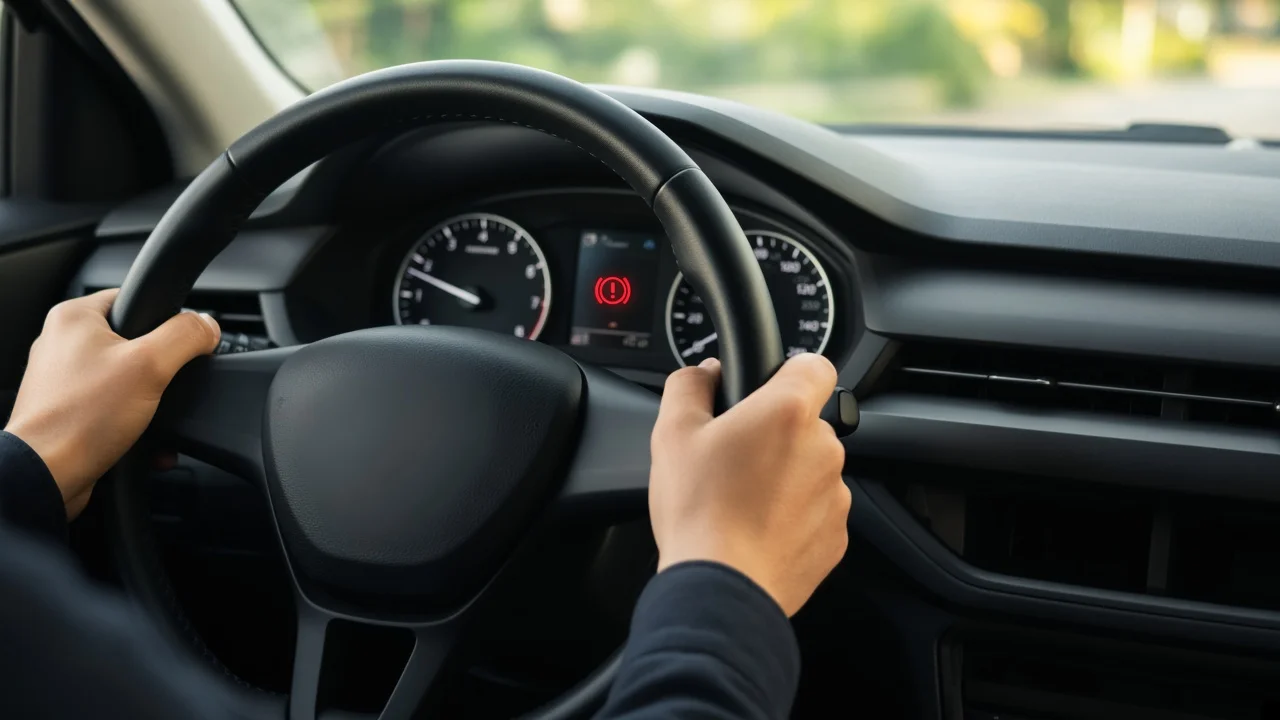
The red brake warning light on a Mazda dashboard is not a general reminder. Depending on the model and year, it can mean the parking brake is applied, the brake fluid level is low, or the car has detected a fault in the braking system. Finding out which applies starts with careful observation, and some causes mean the car should stay parked until a technician has inspected it.
Establish the symptoms
Start by confirming which light you are seeing. The brake system warning is red and usually shows an exclamation mark inside a circle, or the word BRAKE in some markets. Mazda uses separate amber lights for the anti-lock braking system, for electric parking brake faults on models that have one, and for driver-assistance braking functions. Those amber warnings point to different problems, so note the exact color and symbol. Also remember that the red light comes on briefly when the ignition is switched on as a bulb check and should go out once the engine starts and the parking brake is released.
Next, record when the light appears. Is it on all the time, or does it flicker during braking, cornering or on hills? Did it come on suddenly or after a gradual period of occasional flashes? Note whether the ABS light is on at the same time, whether the pedal feels softer or travels further than usual, and whether you hear squealing or grinding or feel the car pulling to one side under braking. Finally, list any recent changes: new brake pads, a fluid flush, wheel or tire work, or a dead battery. These details narrow the causes quickly and save time at the workshop.
Distinguish plausible causes
The simplest cause is the parking brake. On cars with a hand lever or foot pedal, a brake that is not fully released, or a misadjusted parking brake switch, keeps the light on. On models with an electric parking brake, the red light or a dedicated indicator shows the brake is applied, while an amber warning indicates a malfunction. If the light goes out the moment the parking brake is fully released, this explanation is supported. If it stays on with the brake confirmed off, look elsewhere.
Low brake fluid is the next common trigger, and it has two very different origins. As the friction material on the brake pads wears, the caliper pistons sit further out and hold more fluid, so the reservoir level falls slowly over thousands of miles. A leak from a hose, line, caliper seal or master cylinder drops the level faster and usually leaves wet, oily residue. A light that flickers only when braking or cornering suggests the level is sitting right at the minimum mark. Less often, the float switch in the reservoir or its wiring fails, which keeps the light on even when the fluid level is correct. Many Mazda models have no electronic pad-wear sensor, so worn pads tend to show up as low fluid or a squeal from the mechanical wear indicator rather than a separate light. Check what your vehicle uses.
When the red brake light and the ABS light come on together, the electronic brakeforce distribution function may be disabled. That function balances front and rear braking, and without it the rear wheels can lock earlier under hard braking. Possible causes include wheel speed sensor or wiring faults, a damaged sensor ring, low system voltage, or a problem in the ABS control unit itself. Mazda owner's manuals generally advise having the vehicle inspected promptly when both lights are on.
Checks in a useful order
Begin with checks that need no tools. Park on level ground with the engine off and make sure the parking brake is fully released, operating the electric switch as the owner's manual describes. Look at the brake fluid reservoir and compare the level against its MIN and MAX marks without opening the cap. Check the ground under the car and the inner faces of each wheel for wet patches or fresh residue. With the engine running and the car stationary, press the brake pedal firmly. It should feel solid and hold its position rather than slowly sinking. Write down any other warning lights shown at the same time.
Some checks need tools, specifications or a qualified technician. A scan tool that can read the ABS and parking brake modules will retrieve stored fault codes, which a basic engine code reader may not show. Pad thickness should be measured and compared with the wear limits in the service information for your vehicle, and rotor thickness checked against the minimum specification, which is often stamped on the brake rotors themselves. Hoses, lines and caliper seals should be inspected with the wheels removed. On models with an electric parking brake, the rear calipers have to be put into a service mode before their pistons are retracted, and any work that opens the hydraulic system needs correct bleeding afterward.
If the fluid is low, avoid topping it up to MAX just to switch the light off. That hides the wear signal, and the reservoir can overflow later when new pads push the caliper pistons back. If you must add fluid to reach a workshop, use only the type specified on the reservoir cap or in the owner's manual, keep dirt out of the opening, and wipe up spills immediately because brake fluid damages paint.
Interpret the findings
Each result points in a direction rather than proving a diagnosis. If the light went out once the parking brake was fully released and stays out, the parking brake was the cause; if it returns, check the switch or the electric parking brake codes. Low fluid with no sign of leakage and pads close to their wear limits fits normal wear, but measure the pads before ordering parts. Replacing worn pads, and rotors if they are under minimum thickness, normally brings the level back up. Low fluid with healthy pads, or any wet residue, indicates a leak that has to be found before the car is driven. A correct fluid level with the light still on points to the level switch, the wiring or a module fault.
Fault codes show where to test next, not which part to buy. A wheel speed sensor code, for example, can come from the sensor, its connector, the wiring or a damaged sensor ring, and each needs confirming before replacement. When parts are needed, check vehicle fitment by VIN, because calipers, rotors and pads can differ by trim, engine and parking brake type on the same model. After any repair, the job is confirmed when the warning light stays off, the pedal feels firm and stored codes do not return after a test drive.
Urgency and next action
Some signs mean the car should not be driven further. Stop as soon as it is safe and arrange inspection or towing if the red light comes on with a soft or sinking pedal, if the pedal travels noticeably further than usual, if stopping distances increase, if the car pulls hard under braking, or if you hear grinding, smell burning or see fluid leaking. The red brake light together with the ABS light also calls for prompt professional inspection. No warning light indicates how many miles remain before braking performance gets worse, so do not rely on an estimate.
To speed up the repair, give the technician the model, year, VIN and mileage, the exact symbol and color you saw, when the light appears, any other warnings shown, the fluid level you observed, and any brake or electrical work done recently. If a scan was already performed, pass on the codes as well. This lets the workshop confirm the cause instead of starting from scratch.