Mazda 3 Inner CV Joint
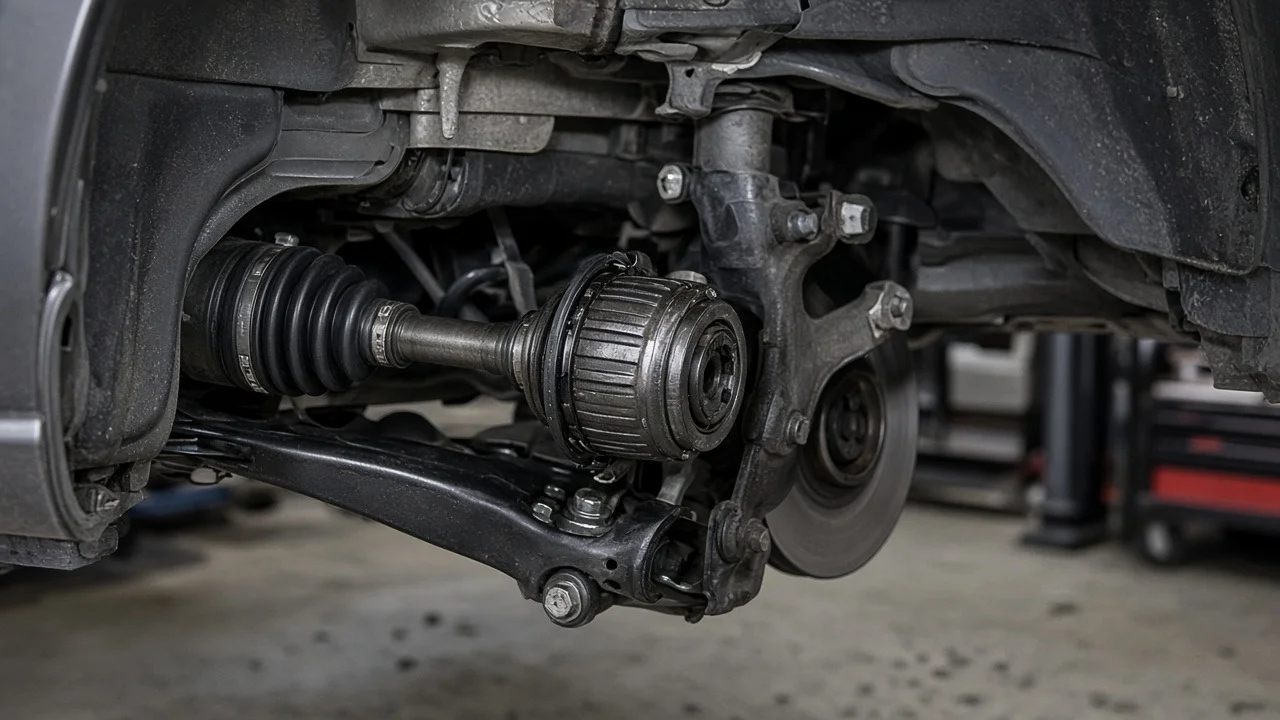
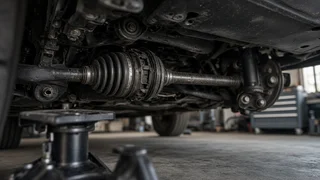
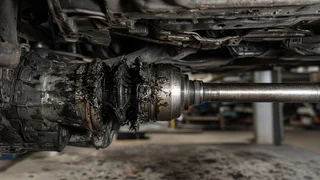
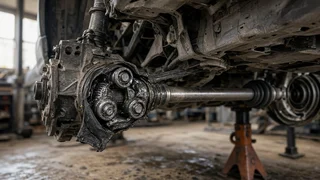
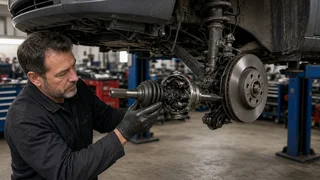
The inner CV joint on a Mazda 3 carries power from the transaxle to the wheel while allowing the axle shaft to change length and angle during suspension travel. Unlike the outer joint, which handles sharp steering articulation, the inner joint is designed for plunge movement and drivetrain loading. When this hidden component wears, the symptoms often appear as vibration under acceleration or a rattle during deceleration. Understanding its role helps you judge whether a replacement axle assembly or a joint-specific service is the right repair path.
Essential answer
The inner CV joint is the inboard constant velocity joint connecting the transaxle output to the axle shaft on a Mazda 3. Its essential job is to transmit torque smoothly while accommodating the changing distance between the transaxle and the wheel hub as the suspension moves up and down. This plunge motion is a key difference from the outer joint, which primarily provides joint articulation for steering. Because the joint operates inside a protective boot filled with grease, it tolerates the constant angle and length changes that occur during normal driving, acceleration, and cornering.
On the Mazda 3, the inner joint uses a tripod or ball-style design depending on the drivetrain configuration and model year. The joint engages the transaxle output or intermediate shaft with a spline fit, and a retaining clip holds it in place axially. Drivetrain loading passes through the joint from engine pulses and road forces. Wear typically shows up as a shudder or clunk because the joint's internal rollers or balls develop play inside their tracks. Confirm the specific joint type from the vehicle's service information before ordering parts, as axle assemblies can vary with automatic or manual transaxles.