Mazda 3 Check Engine Light: Causes and What to Check First
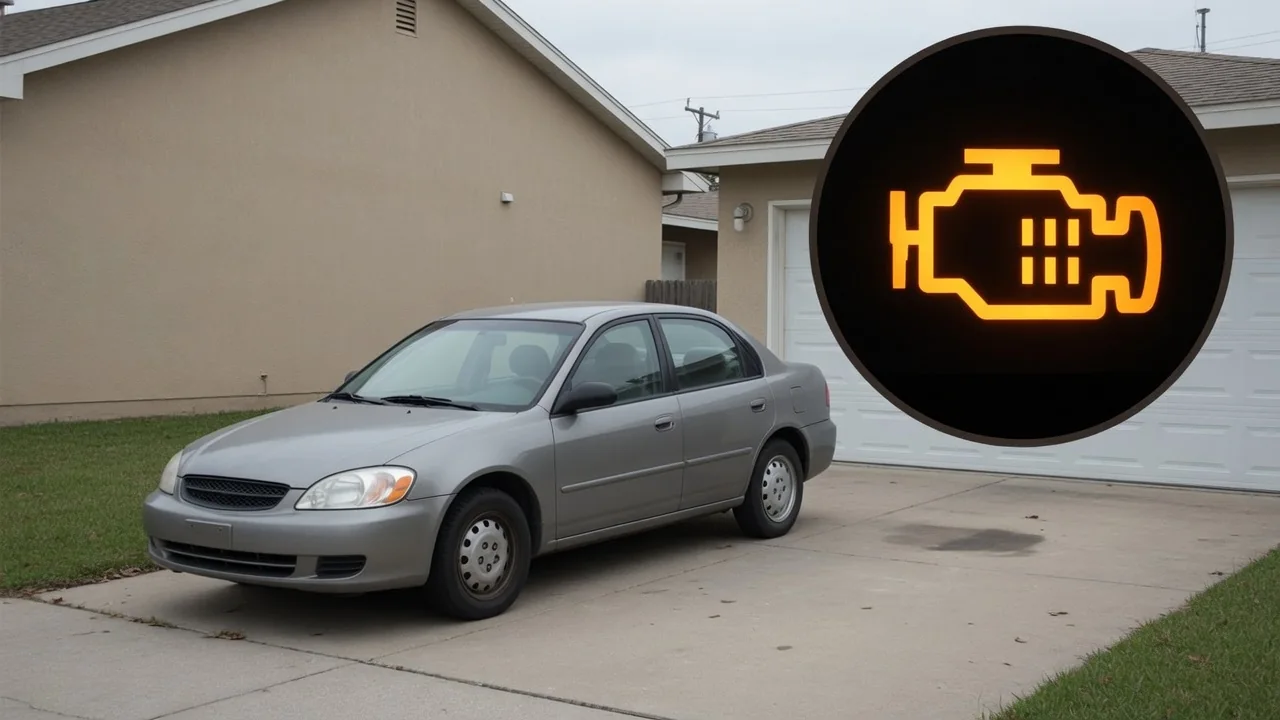
A check engine light on Mazda 3 vehicles that stays after the engine starts means the control module has detected an engine-management or emissions concern. The Mazda 3 check engine light, also called the malfunction indicator lamp, cannot name the failed component. Note whether the lamp is a brief startup check or a warning that stays on, then establish model year, engine, market, and symptoms before discussing likely causes, because equipment and diagnostic procedures vary.
What the Mazda 3 Check Engine Light Means
The check engine light on Mazda 3 models is a malfunction indicator lamp tied to onboard diagnostics, not a parts catalog. When monitoring detects a condition outside programmed limits in engine management or emissions control, the lamp illuminates and diagnostic trouble codes are typically stored. That stored evidence still has to be interpreted. A catalyst, oxygen sensor, ignition coil, or fuel-system component might be involved, or the fault might be a wiring, connector, or software condition. Treating the symbol as proof that a particular part has failed leads to unnecessary replacement and leaves the actual concern untested.
A brief glow at key-on is the normal lamp check and should go out after the engine starts. A steady engine warning light that remains, or a flashing engine warning light, is the actual alert. Before ranking likely causes, confirm the model year, engine family, market specification, and any accompanying symptoms such as rough idle, hesitation, or a change in fuel trim behavior. Mazda 3 powertrains, evaporative emissions hardware, and scan-tool menus are not identical across generations, so a diagnosis that fits one configuration can mislead on another.
When to Stop Driving and Seek Help
A flashing engine warning light can indicate an active engine misfire while the vehicle is being driven. Unburned fuel entering the exhaust can overheat a catalytic converter and damage it quickly, even if the car still moves. In that situation, reduce demand, pull over when it is safe to do so, and arrange assistance rather than continuing in hope the lamp will settle. Do not attempt roadside ignition or fuel-system repairs. A misfire is a running condition to confirm with codes and live data, not a reason to replace parts from the flashing symbol alone.
Stop safely and shut the engine off if the Mazda 3 also shows severe shaking, major power loss, smoke, a strong fuel smell, overheating, or an oil-pressure warning. Those signs can point to conditions that worsen with continued running. A steady engine warning light with otherwise normal starting, idle, and acceleration still deserves prompt diagnosis; check the applicable owner's manual for lamp descriptions and any model-specific cautions. No fixed distance is guaranteed to be safe while the lamp is on, because the stored fault and how it develops are not known until the vehicle is scanned.
Possible Causes Behind the Warning
A Mazda 3 check engine light that appears soon after refueling can be tied to the evaporative emissions system. Where a fuel cap is fitted, a loose, cross-threaded, or damaged cap can allow a leak the monitor flags; other EVAP hoses, valves, or seals can do the same. Separately, ignition, fuel-delivery, or air-metering problems can produce an engine misfire or mixture-related fuel trim faults. Those categories describe systems to test. Rough running or a lean or rich trim reading does not identify a coil, injector, mass-air sensor, or vacuum leak on its own.
Oxygen-sensor circuit faults and catalyst-efficiency codes are further diagnostic categories, not automatic parts lists. A code that names an oxygen sensor or catalytic converter reports that a monitored circuit or efficiency threshold was not met; the sensor, converter, wiring, exhaust leak, or an upstream mixture problem can all produce that result. None of these patterns should be treated as a Mazda 3 failure ranking, and an engine-specific issue on one model year must not be applied to every generation. Confirm the actual vehicle configuration before assuming which system is even present.
Safe Checks Before a Diagnostic Appointment
Before a shop visit, write down whether the Mazda 3 check engine light is steady or flashing, when it first appeared, and whether starting, idle, acceleration, or fuel use changed. Those notes become more useful than memory once freeze-frame data is compared later. With the vehicle parked and the engine off, check that the fuel cap is secured as the owner's manual describes if the vehicle has one. Do not force a damaged cap, broken tether, or worn seal; forcing hardware can create a larger evaporative leak than the one you hoped to close.
Also note recent refueling, maintenance, battery work, or repairs as context. A disconnected battery, a service that disturbed connectors, or a fill-up that left the cap loose can coincide with the warning without proving they caused it. If you do seat a cap correctly, the malfunction indicator lamp may not go out immediately; evaporative monitors may need additional completed drive cycles before they recheck the system. A light that stays on, returns after a short delay, or comes with drivability changes still needs diagnosis rather than repeated cap tightening as a substitute for scanning.
Read Mazda 3 Trouble Codes Without Guessing at Parts
A compatible OBD-II scanner can retrieve diagnostic trouble codes from a Mazda 3 without dismantling anything. Record every code exactly as displayed, whether it is pending, confirmed, or permanent if the tool reports status, and save any freeze-frame data showing engine speed, load, temperature, and fuel trim at the moment the fault was captured. Then verify each definition against the vehicle's model year, engine, and market. Manufacturer-dependent codes in particular are not interchangeable across calibrations; a generic lookup can misstate the monitored circuit and send testing in the wrong direction.
Those codes identify detected conditions and point to tests, not a confirmed repair. A misfire, evaporative, oxygen-sensor, or catalyst-efficiency code does not establish that a named part has failed, nor does it prove a replacement part is compatible with that Mazda 3. Do not clear codes or disconnect the battery before diagnosis. Clearing erases freeze-frame evidence, can reset readiness monitors, and may make an intermittent fault harder to recapture. If the lamp later returns, the shop then has less of the original snapshot to compare with current live data.
What Professional Diagnosis Should Establish
Professional testing is warranted when the Mazda 3 check engine light is persistent or returns, when drivability is affected, when multiple codes are stored, or when a code definition remains uncertain for that model year and market. A technician can compare your recorded conditions with freeze-frame data, then use live data, circuit checks, or evaporative emissions system leak testing to isolate the fault. Those steps stay on the diagnostic side of the work. They are meant to separate a true component failure from wiring, sealing, or mixture problems that can set the same lamp.
Bring symptom notes and saved scan results to the appointment and ask for the test findings that support any proposed repair. A printout of codes alone is not the same as a confirmed cause. After work is done, verification should show that the original detected condition is resolved under comparable operating conditions, not merely that the malfunction indicator lamp is dark. Readiness monitors may still need to complete, and a light that was cleared without fixing the fault can return. Successful repair is demonstrated by stable data and a lamp that stays off for the right reason.