Maxi-Cosi LATCH belt compatibility and use
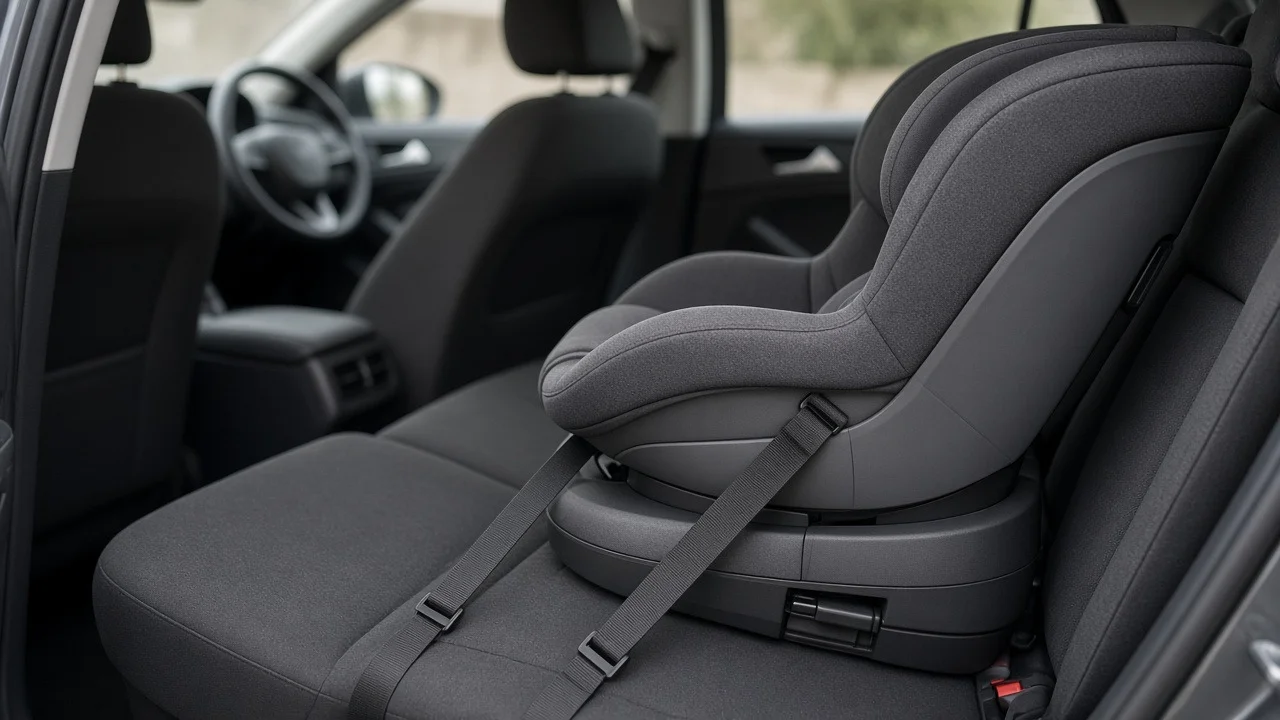
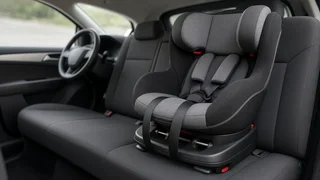
A LATCH belt may refer to a lower-anchor strap used to secure a child restraint, or to the vehicle belt routed through a LATCH-equipped Maxi-Cosi seat when lower anchors are not available. Confirming which method applies to a specific Maxi-Cosi model matters because installation strength depends on choosing the intended load path. Lower anchors and seat belt routing both create secure connections when used within the limits stated in the restraint instructions and the vehicle owner's manual. The following explanation focuses on the general principles of compatibility, correct routing, and when each attachment method is appropriate.
Essential answer
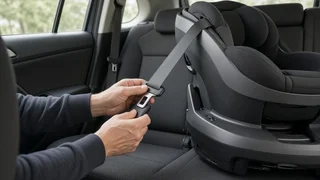
Maxi-Cosi child restraints commonly support installation with either the vehicle's lower anchor connectors or the vehicle seat belt, depending on the seat design and the weight of the child. A lower anchor strap is a dedicated webbing assembly with connectors that clip to the vehicle's lower anchors. When people search for a Maxi-Cosi LATCH belt, they often mean that strap, but the term can also describe the vehicle belt passing through a belt path. Before use, the restraint labels and manufacturer instructions should be checked to confirm which methods are permitted for the seat and the child's current weight range.
The correct attachment method depends on the restraint style and the vehicle seating position. Rear-facing and forward-facing seats have distinct belt paths, and some models permit lower anchor installation only below a combined child and seat weight limit. In a seating position without lower anchors, the vehicle belt may be the primary acceptable option. Compatibility also requires that the lower anchor connectors reach the vehicle anchors without twisting and that the top tether is used where required. Manufacturer-specific confirmation is necessary because lower anchor and belt rules vary by model and certification standard.