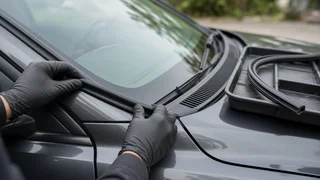
2000 Chevy S10 Windshield Molding
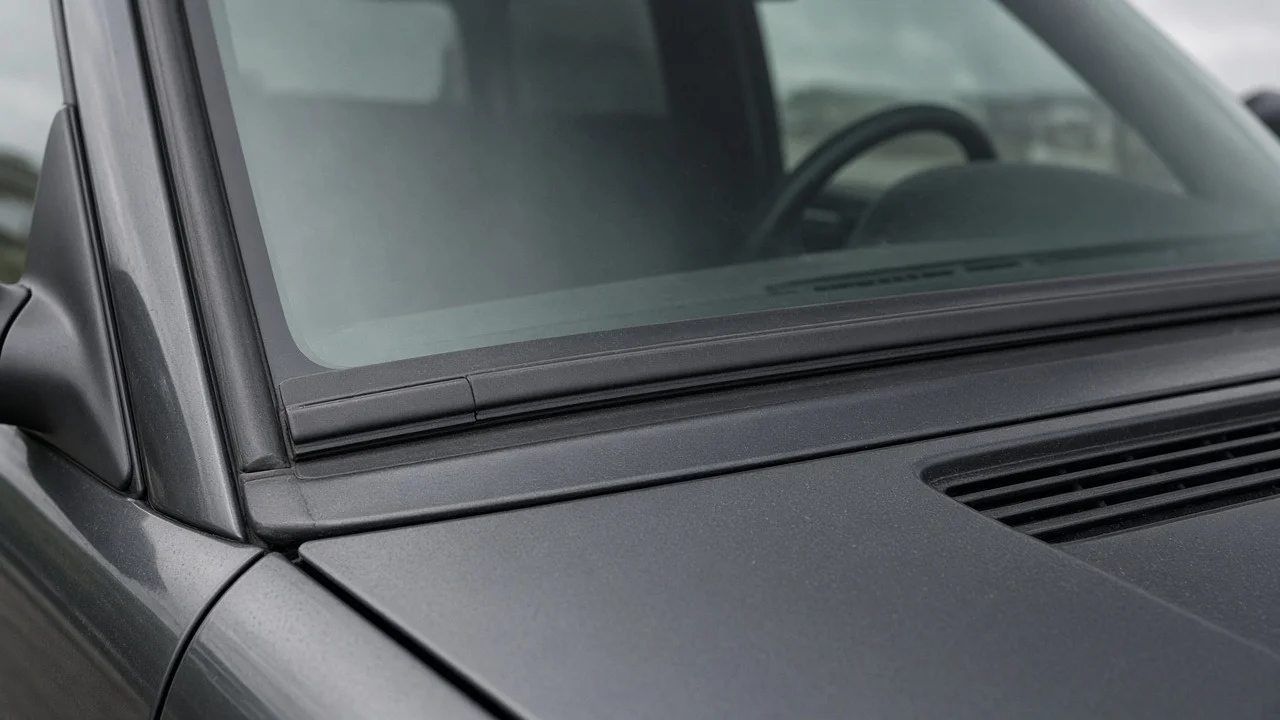
A deteriorated windshield molding on a 2000 Chevy S10 is more than a cosmetic nuisance. This trim bridges the glass edge and the body, helping direct water away from the pinchweld and reducing wind noise. As the molding shrinks, cracks, or lifts, seal condition degrades. Owners often notice the issue where the wiper contact area meets the A-pillar. Understanding how this component relates to glass fitment and water ingress helps you decide between cleaning, reattaching, or replacing the trim, while keeping vehicle specification variations in mind for cabs, trim levels, and aftermarket glass.
Essential answer
The windshield molding on a 2000 Chevy S10 is the finished trim that covers the gap between the windshield glass and the body opening. Depending on the vehicle specification and whether the windshield was replaced, this may be a separate reveal molding, a generic universal trim, or a molded rubber channel bonded around the glass. Original windshields on this generation were often urethane-set, with a cosmetic strip that is not the primary water seal. When that exposed strip is damaged or missing, the main concern shifts from immediate water intrusion to accelerated debris accumulation, UV exposure of the underlying sealant, and increased wind noise around the A-pillar.
If your glass is still secure but the trim is lifting, the repair path depends on seal condition and the type of molding fitted. A shrunken corner or a loose edge does not automatically mean the windshield is leaking. Water ingress typically occurs through a failed urethane bead, not the decorative outer lip. Inspect whether the molding is embedded in the adhesive bead or simply clipped to the body. On many S10 models, replacement molding is available as a roll or pre-formed section, but the profile must match the original channel height. Checking the glass manufacturer markings and the existing wiper contact clearance will guide a proper re-fit.