Toyota Pickup 1989–1995 Windshield Molding
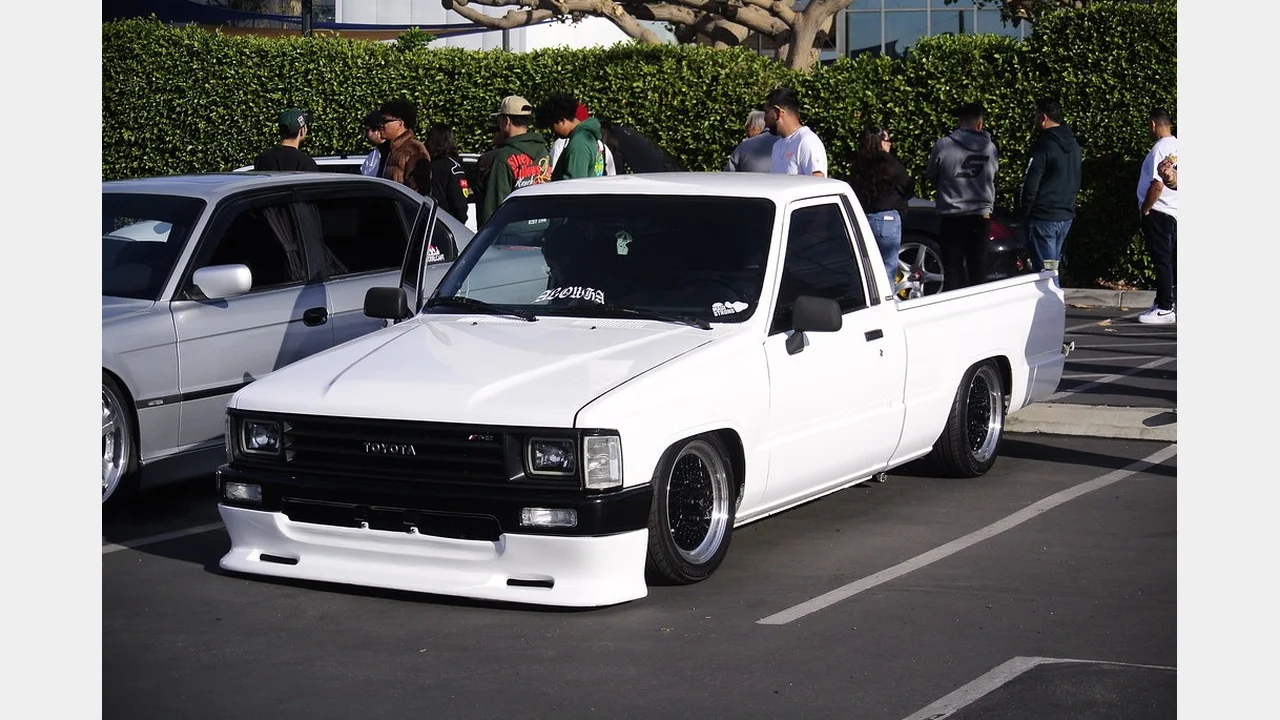
Windshield molding on a 1990 or 1994 Toyota Pickup is more than a cosmetic rim. It caps the glass edge, reduces water ingress, and covers the adhesive bond between the windshield and the pinch weld. Owners often notice cracked, lifted, or missing trim when they inspect seal condition or hear wind noise at speed. The 1989–1995 generation shares a similar cab structure, but minor trim differences can affect glass fitment. Understanding this part helps you evaluate visibility concerns, wiper contact near the lower edge, and whether replacement should follow the vehicle specification rather than a universal aftermarket shape.
Essential answer
The windshield molding on these trucks is the flexible trim strip that runs around the perimeter of the glass. It bridges the gap between the windshield and the body, protecting the urethane adhesive underneath from UV exposure and direct weather. On a 1990 or 1994 model, aged trim commonly becomes brittle, shrinks, or separates at the corners. Because the molding is not usually the main seal, a lifted section may simply indicate trim degradation instead of an active leak. Yet a gap there can still let water pool near the bond line and accelerate seal deterioration over time.
Checking your specific cab and glass fitment matters when sourcing a replacement. Some trim profiles fit flush against the A-pillars and roof edge, while others have a deeper channel that retains the glass reveal. If wiper contact has damaged the lower strip, the replacement must clear the cowl and match the original cross-section. Start by comparing the remaining pieces at all four corners. That tells you whether you are dealing with a one-piece wrap-around molding, separate side and top lengths, or a corner joint design that requires careful alignment during installation.