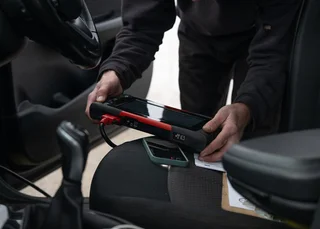
Guam Vehicle Safety Inspection Requirements
Understanding Guam’s vehicle safety inspection process helps you prepare a car, truck, or motorcycle before visiting a station. A car safety inspection Guam program checks whether roadworthy equipment meets baseline standards. This overview covers what the safety inspection generally examines, how criteria are applied, and why a retest may be needed after repairs. Because Guam is a US territory with its own local rules, inspection practices can differ from mainland state programs. The review focuses on observable vehicle conditions rather than exact fees, intervals, or station procedures, which can change through local regulation.
Essential answer
A Guam vehicle safety inspection is a structured examination of equipment that affects control, visibility, and roadworthiness. The essential scope typically involves brakes, steering, tires, lights, glass, mirrors, seat belts, horn, and wipers, along with confirmation of vehicle identification. The inspection exists to catch obvious defects such as a cracked windshield in the driver’s line of sight, a failed brake lamp, or a tire worn below safe tread depth. An inspector uses an inspection criteria list, but the result is not a broad mechanical diagnosis; it is a condition check at one point in time.
If a vehicle does not pass, the station normally identifies the failed areas and the owner repairs them before a retest is performed. A test certificate or passing record may be required for registration or renewal, but the exact paperwork and validity period depend on Guam authority. Emissions test requirements can also vary by vehicle age, fuel type, and local policy. Because a safety inspection is evidence of a component’s visible condition rather than proof of internal failure, an advisory or rejection simply tells you what to correct and have rechecked.