Maruti VVT car prices
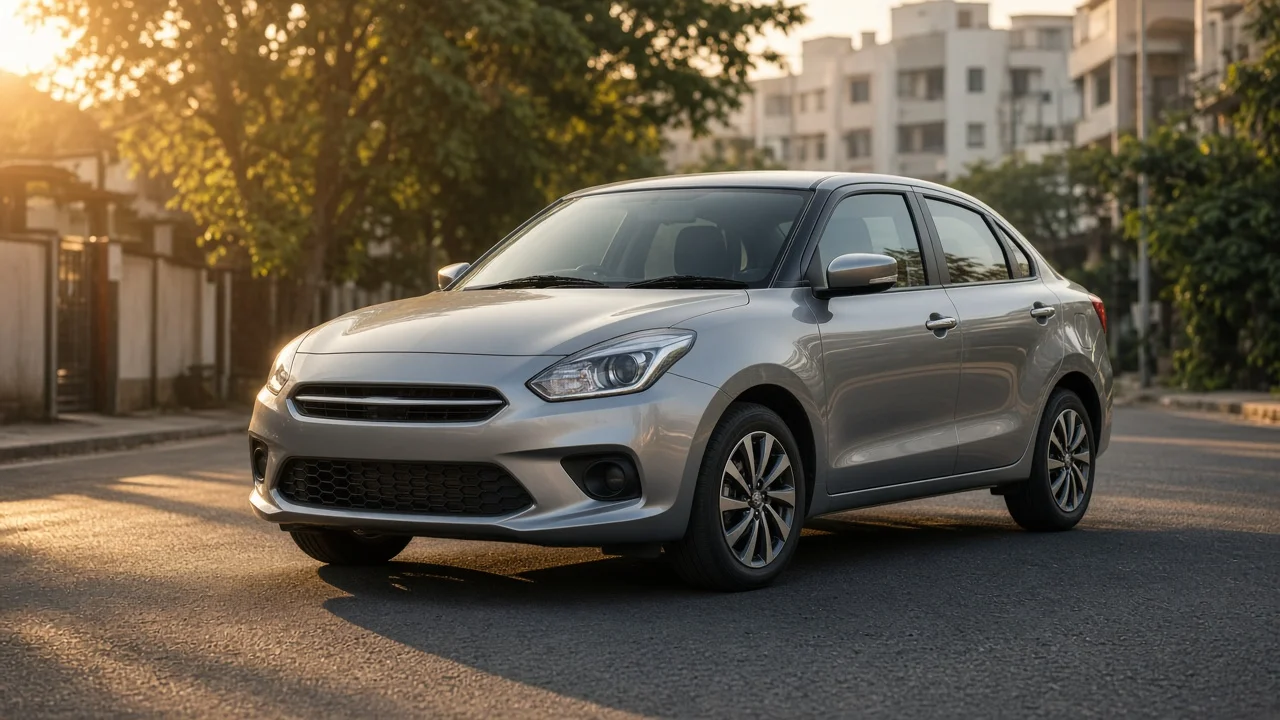
A Maruti Suzuki VVT car price is rarely a single fixed figure, because the final cost shifts with model year, trim level, regional market, vehicle condition and the included charges a seller chooses to advertise or omit. Variable valve timing adds a useful efficiency benefit, yet the valuation mechanics follow the same used-car pricing logic as any gasoline engine vehicle. A posted price should be treated as the starting point for comparing window sticker or listing figures against a realistic market valuation before you commit to a purchase.
The direct answer
There is no confirmed single price supplied for a Maruti Suzuki VVT car, so the direct answer depends on how the vehicle is being sold and equipped. The advertised figure can vary by model year, body style, trim level and regional market, as well as by whether the number represents a dealer listing, a private-party asking price or an on-road quotation. Without a specific model and location, any exact-dollar claim would be invented rather than supported. Instead, use the quoted price as a comparison point and confirm which equipment, warranty status and fees are actually included.
Vehicle condition and ownership history materially change what a fair offer should be. Two examples with the same engine technology and similar trim level can be priced far apart if one has accident repairs, worn tires, incomplete service records or higher odometer mileage. Because the VVT designation describes the variable valve timing system rather than one particular model, the buyer should first identify the exact car and variant being considered. Then compare equivalent listings while separating the sale price from registration, documentation and dealer-added charges that may not appear in the initial advertised figure.