Manual Transmission Clutch Problems and Slipping
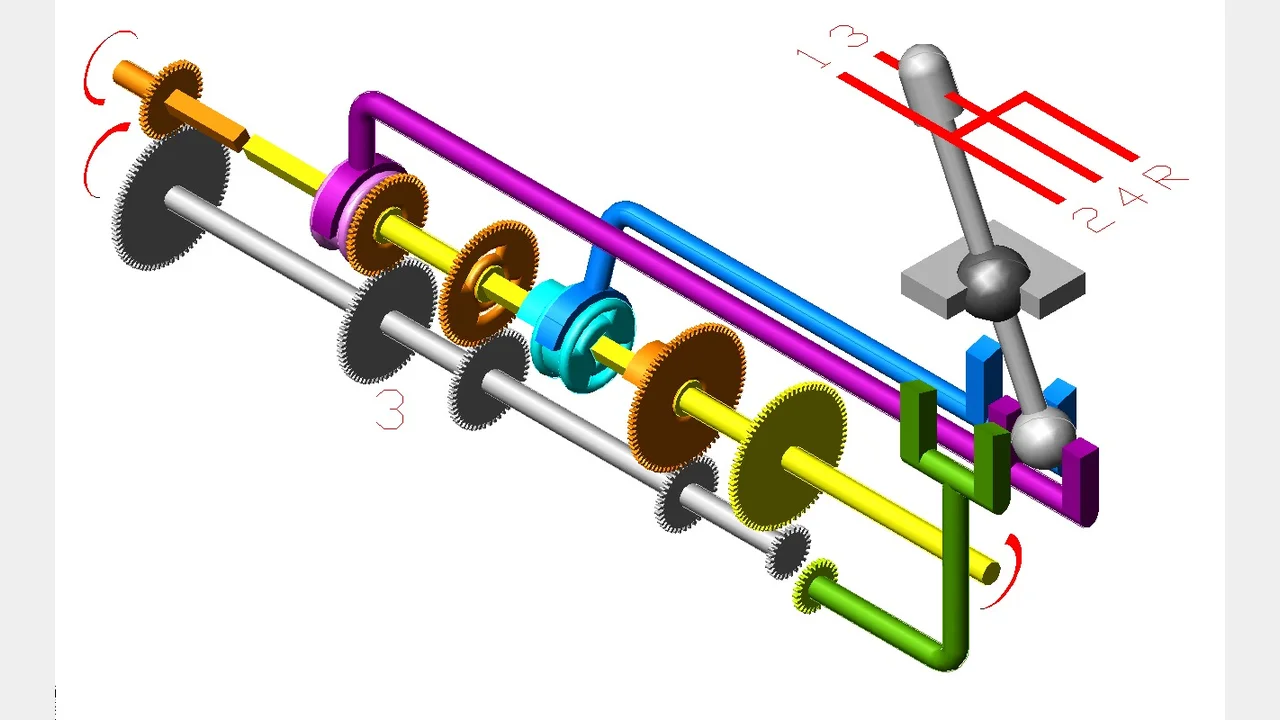
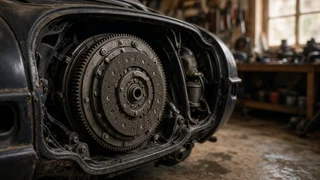
A slipping clutch is one of the clearest signs that the connection between a manual transmission and the engine is losing grip. You may feel the engine rev higher while road speed barely increases, or notice a soft, lazy engagement when releasing the pedal. This condition can begin subtly on hills and under hard acceleration, then progress to every gear. Understanding why the friction surfaces no longer lock together helps you judge whether the issue lies with adjustment, hydraulic components, or the clutch disc itself before more damage occurs.
Essential answer
Clutch slipping in a manual transmission means the pressure plate can no longer hold the clutch disc tightly against the flywheel when the pedal is released. Under load, the engine side rotates faster than the transmission input shaft, so rpm climbs without a matching increase in vehicle speed. This is not normal wear behavior from ordinary mileage alone; it indicates reduced clamp load, insufficient friction material, or contamination on the engagement surfaces.
The scope includes the entire release and engagement system, not just the disc. A cable or hydraulic linkage that holds slight pressure on the release bearing can mimic a worn friction plate. Likewise, oil leaking from the engine rear main seal or transmission input shaft seal can coat the lining and cause grab-and-slip behavior. A proper diagnosis therefore separates friction surface wear from mechanical, hydraulic, and fluid-related causes.
Diagnosing a problem
Begin with a load test in a higher gear at moderate road speed. Press the accelerator firmly and watch whether the tachometer rises quickly while the speedometer responds slowly. If the tach needle flares upward before settling back, the clutch is losing lockup. This reading is evidence of lost friction, but it does not identify a failed part, so avoid replacing components before checking the release mechanism and fluid leaks.
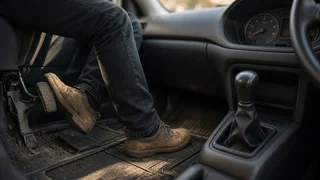
Observe shift behavior and pedal feel next. A low engagement point, stiff pedal, or difficulty changing gear may point to hydraulic air, low fluid, or a failing master or slave cylinder, while a high engagement point can indicate advanced disc wear. If the clutch smell is present after light driving or shifts feel jerky, contamination is possible. Manufacturer-specific clutch systems require vehicle-specific confirmation before condemning any part, especially when diagnostic codes are present.